
16 Beautiful Places in Kansas That Prove Flat Isn’t Boring


Kansas often gets written off as flyover country, flat, empty, and something to get through on the way to somewhere else. Look beyond the highways and grain silos, and you’ll find landscapes that feel anything but empty. Towering chalk formations, hidden canyons, rolling tallgrass prairie, and peaceful lakes all show a side of the state most people never take the time to see.
This list of beautiful places in Kansas highlights the spots that challenge the stereotypes. Having lived in St. Louis and road-tripped around, I’d find that between the fields of corn, these 12 destinations prove that flat doesn’t have to mean forgettable.
1. Little Jerusalem Badlands State Park, Oakley

Turns out Kansas is home to its own version of a desert canyon landscape, and it’s been hiding near Oakley. Little Jerusalem has chalk cliffs that tower up to 100 feet and run nearly a mile long. These formations are full of fossils, including ancient marine reptiles from when this area was a sea. It’s newer to the state park system.
You can explore the Overlook Trail for dramatic views or hit the life on the Rocks Trail to learn how plants survive in this wild terrain. The area is also known for having great night skies.
2. Monument Rocks National Natural Landmark, Oakley

These 70-foot chalk monoliths explode out of nowhere in the middle of farmland. Designated as the first National Natural Landmark in Kansas, Monument Rocks is a strange formation that’s been blowing people’s minds since the days of covered wagons. Fossil hunters still find ancient shells and fish bones here from the days of the Western Interior Seaway.
You can drive right up to the formations, which is rare for this kind of landscape. Iconic spots like the Keyhole Arch and the twin spires are favorites for photos. There’s no hiking trail here, so you can wander any way you’d like.
3. Castle Rock, Quinter

Castle Rock used to be a landmark for pioneers traveling the Smoky Hill Trail in a place that looks like it randomly fell into western Kansas. Erosion is gradually taking it down, but the spire still stands, and the surrounding badlands are open for exploring. The site is unmarked and not protected as a park.
The best views come from climbing nearby ridges rather than the rock itself. It’s also a great place to find fossils and interesting rock patterns.
4. Tallgrass Prairie National Preserve, Strong City

Only about 4% of North America’s original tallgrass prairie remains, and this preserve protects a rare piece of it. The Flint Hills provide the ideal conditions for these grasses, which can grow taller than you in peak season. Bison were reintroduced here and now roam free across the hills like they never left.
The Visitor Center has maps and solid info, but the real highlights are the trails. The Southwind Nature Trail is easy and full of wildflowers in spring. For a longer walk, the Scenic Overlook Trail climbs through wide-open views and a few historic ranch buildings.
5. Flint Hills, Kansas (Cottonwood Falls, Council Grove, Elmdale)

The Flint Hills cross multiple counties with hills full of limestone and shale. This made them hard to plow, so the prairie survived here when it vanished elsewhere. They’re especially pretty in the golden light of late afternoon, and wildflowers go off from May through June.
Visit the Tallgrass Prairie Preserve and the towns that dot the landscape. Cottonwood Falls has the oldest operating courthouse in Kansas. Council Grove is loaded with Santa Fe Trail history, including the Kaw Mission and Hays House restaurant, which have been open since 1857. Drive the Flint Hills National Scenic Byway for uninterrupted views and easy access to trailheads, photo pull-offs, and historical markers.
6. The Gypsum Hills, Medicine Lodge

This landscape looks like it belongs in Arizona, not Kansas. The Gypsum Hills, or Red Hills, mix red rock cliffs, gypsum outcrops, and winding canyons that break up the usual prairie vibe.
Take the Gyp Hills Scenic Drive or the rugged Gyp Hills Backcountry Byway. There are few formal trails, but hiking is allowed in certain areas, just watch for snakes. Sunset hits these rocks with an unreal glow.
7. Arikaree Breaks, St. Francis

The Arikaree Breaks are steep, eroded gullies that cut through the prairie. This part of Kansas is closer to three other state capitals than it is to Topeka, which tells you how remote it is.
There are no official trails, but a couple of gravel roads run close enough to give you solid views. Bring a picnic, and don’t count on any gas stations nearby. It’s one of the best spots in the state for watching the sunset since the horizon just opens up.
8. Sunflower Fields (seasonal), Lawrence, Basehor & Hutchinson
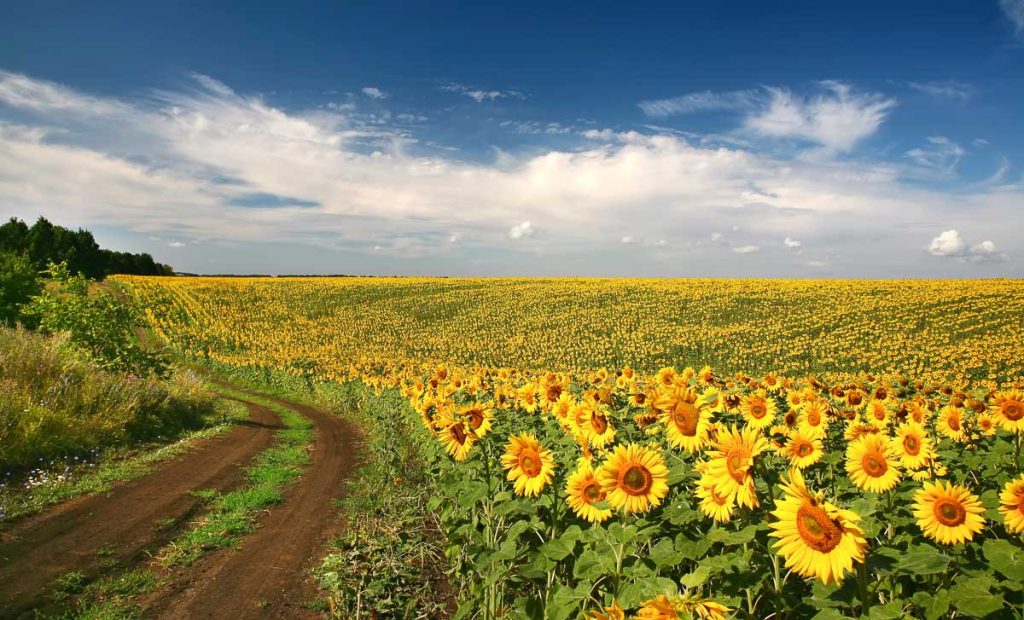
Sunflowers are a license plate thing, but they are also a real spectacle in August and early September. During peak bloom, fields around Lawrence, Basehor, and Hutchinson open up for visitors, usually with dirt paths and open access.
Grinter Farms near Lawrence is the most well-known and has some extra touches like food trucks and photo zones. Some fields ask for donations or charge small entry fees. Don’t pick the flowers unless it’s a cut-your-own spot. Check the farm’s social media before heading out, as the bloom time shifts a bit every year.
9. Kansas Lavender Fields (seasonal), Bennington

Who knew Kansas would smell like Provence in June? Prairie Lavender Farm in Bennington grows several types of lavender and opens to the public during bloom season. It’s small but well-maintained, and the owners are usually around to answer questions or show off products.
There’s a gift shop with soaps, oils, and other lavender things you didn’t know you needed. Peak bloom typically hits in June, and weekends can be busy. It’s a peaceful stop on a summer road trip, especially if you time it with other bloom-heavy spots in the area.
10. The Keeper of the Plains, Wichita

This is a city landmark that sits at the point where the Arkansas and Little Arkansas Rivers meet. Designed by Native artist Blackbear Bosin in 1974, the Keeper of the Plains has become Wichita’s most recognizable feature. It gets even more dramatic at night when the Ring of Fire installation lights up around it.
You can walk to it via pedestrian bridges and get 360-degree views of the city skyline and riverbanks. It’s also part of the larger riverwalk trail system.
11. Maxwell Wildlife Refuge, Canton
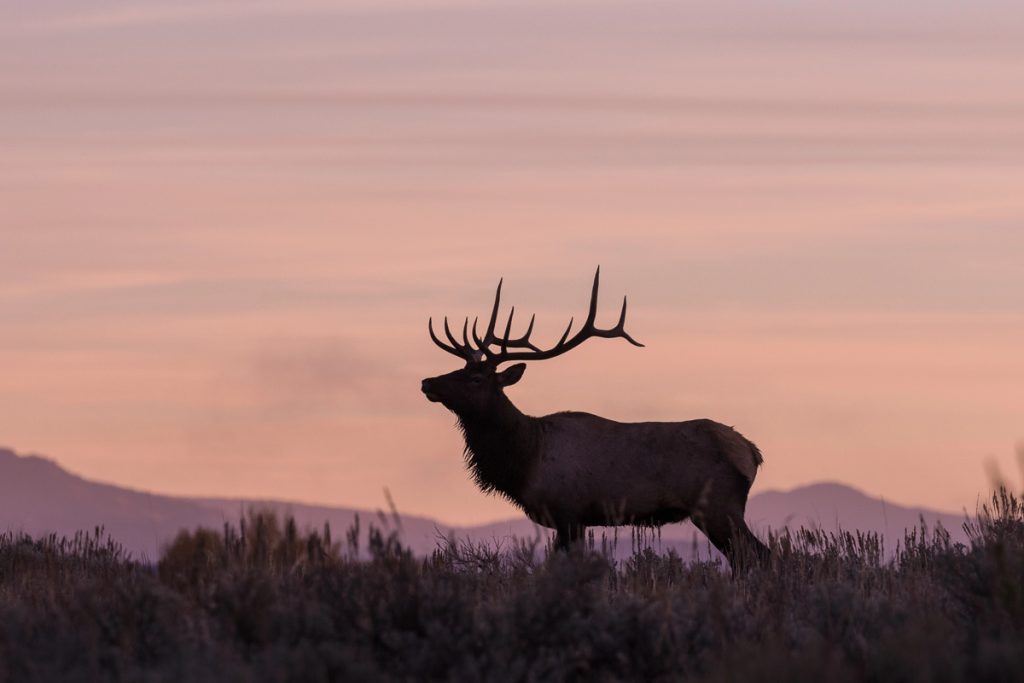
Bison wildly roam here like in the pre-revolution days. Maxwell Wildlife Refuge protects a large herd in a native prairie environment, and you can take a covered tram tour to see them up close. Elk also live here, though they’re a little sneakier to spot.
There’s a small visitor center with exhibits and maps. Some of the trails allow hiking. Fall is bison rutting season, and it gets loud.
12. Pillsbury Crossing, Manhattan
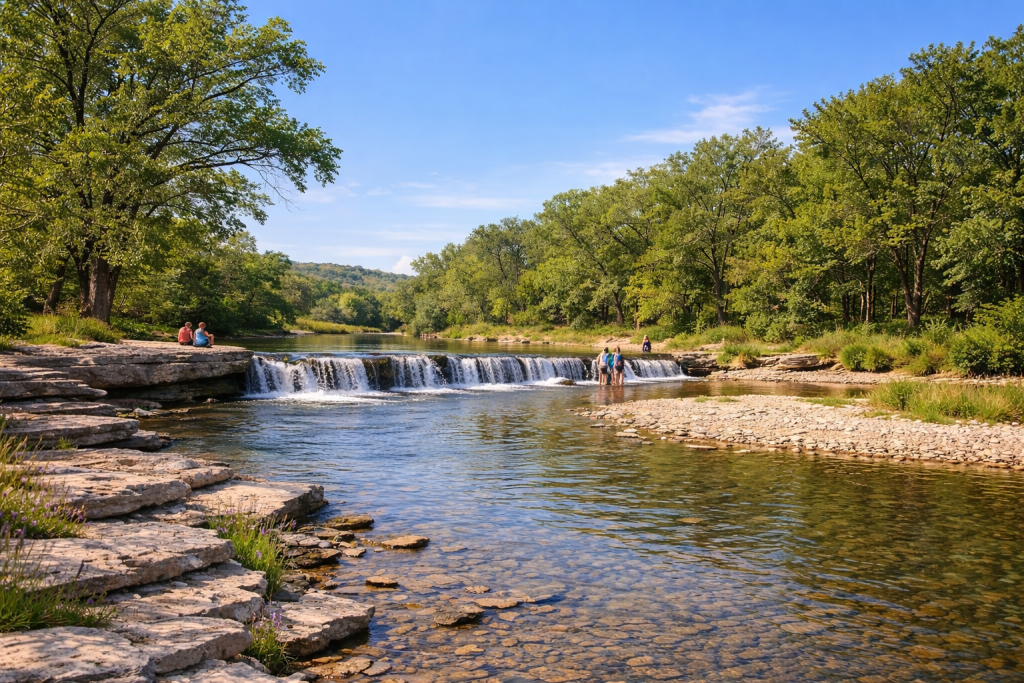
Pillsbury Crossing is where locals go to wade, float, or sit in the water with a cooler. The flat limestone shelf under the creek creates a smooth crossing and a little waterfall that’s surprisingly loud after rain.
Parking fills up fast on weekends, and it’s best visited during warm months. It’s five miles from Manhattan but feels way more remote.
13. Coronado Heights, Lindsborg
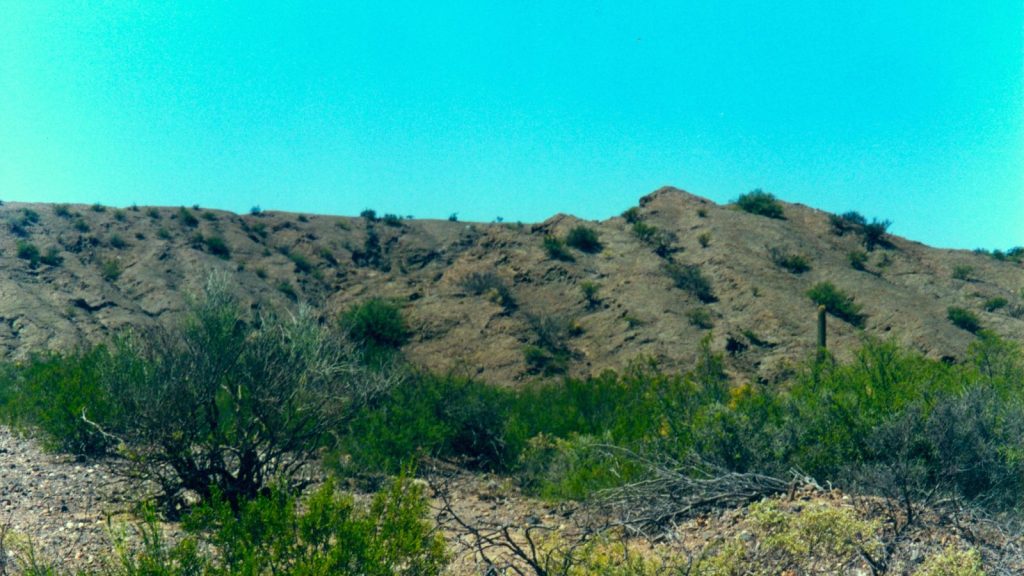
Supposedly, this is where Spanish explorer Coronado gave up looking for cities of gold. There’s zero proof of that, but someone in the 1930s built a WPA-era castle on the bluff anyway.
The road up is steep but paved, and the top offers panoramic views of the Smoky Valley. If you want to bring lunch, there are grills and tables. Lindsborg itself is full of Swedish-American charm, so it’s worth spending time in town, too.
14. Mushroom Rock State Park, Marquette

The park is tiny, only five acres, but the rocks are something else. Formed by erosion over millions of years, they look like stone mushrooms balancing on narrow stems. The largest is about 25 feet wide.
A short path loops through the formations, and signage explains how they formed. It’s an easy stop if you’re already visiting nearby Kanopolis State Park.
15. Kansas State Capitol Dome, Topeka

This is one of the few capitols in the country where you can go up to the top, up just 296 narrow steps. The climb takes you between the inner and outer domes and rewards you with views over downtown Topeka.
Inside the building, guided tours hit the highlights and explain the building’s long construction timeline (it took nearly 40 years to finish). The grounds also feature statues, gardens, and memorials.
16. Museum at Prairiefire, Overland Park

Even if you don’t go inside, the outside of this building is worth the stop. The glass facade looks like flames rising from the prairie. Inside, the museum features traveling exhibits from places like the American Museum of Natural History.
There’s a T. rex skeleton, interactive displays for kids, and a walk-through timeline of life on Earth. The area around the museum has trails and restaurants, so you can make a whole afternoon out of it.
Catherine, a seasoned travel writer, has lived in 4 different states and explored 36 states and 28 national parks. After spending two years embracing van life, she's now dedicated to sharing her vast knowledge of day trips across America. Catherine's other works has been referenced in major publications like MSN, Self, and TripSavvy.
| MY FAVORITE TRAVEL RESOURCES |
✈️ Find amazing guided tours and experiences with Viator to maximize your time! 🏘️ Plan ahead and secure your accommodation with Booking.com in advance. 🧾 Rent a car with Discovercars in advance and get the best prices for your day trip adventures. |