
15 Best National Parks to Visit in June That Aren’t Sweltering or Swarming


By June, summer travel season is in full swing, as are the crowds, triple-digit temps, and overbooked campgrounds at many of the most popular national parks. If you’ve ever tried to hike in the desert sun or squeeze into a packed shuttle at peak season, you know the appeal of skipping the obvious spots.
After two years on the road and nearly 30 national parks checked off, I knew if you didn’t go in before 8am, you were not going to get a parking spot. On the other hand, these higher elevations, shoulder-season sweet spots are somehow staying off the mainstream radar. These 15 are the best national parks to visit in June, that are not too hot, nor too hectic.
1. Glacier National Park, Montana

- Why June: Snow’s finally melting, trails are opening, and crowds are still manageable
- Weather: Daytime temperatures hover around 67°F (19°C), and nights can dip to the high 30s (around 3°C). Snow still falls at higher elevations, but lower trails and lakes have generally thawed.
Glacier National Park in June is the beginning of the park waking up. One of America’s most scenic roads, Going-to-the-Sun Road, usually starts to open around mid- to late June, revealing 50 miles of switchbacks and snow-capped summits.
Lake McDonald mirrors the peaks perfectly this time of year, and wildflowers start popping along the Hidden Lake Overlook and Avalanche Lake trails. Grizzly sightings are more common early in the season.
There are also fewer tour buses and easier parking compared to July and August. Thanks to all that snowmelt, expect waterfalls to be in full flow.
2. North Cascades National Park, Washington
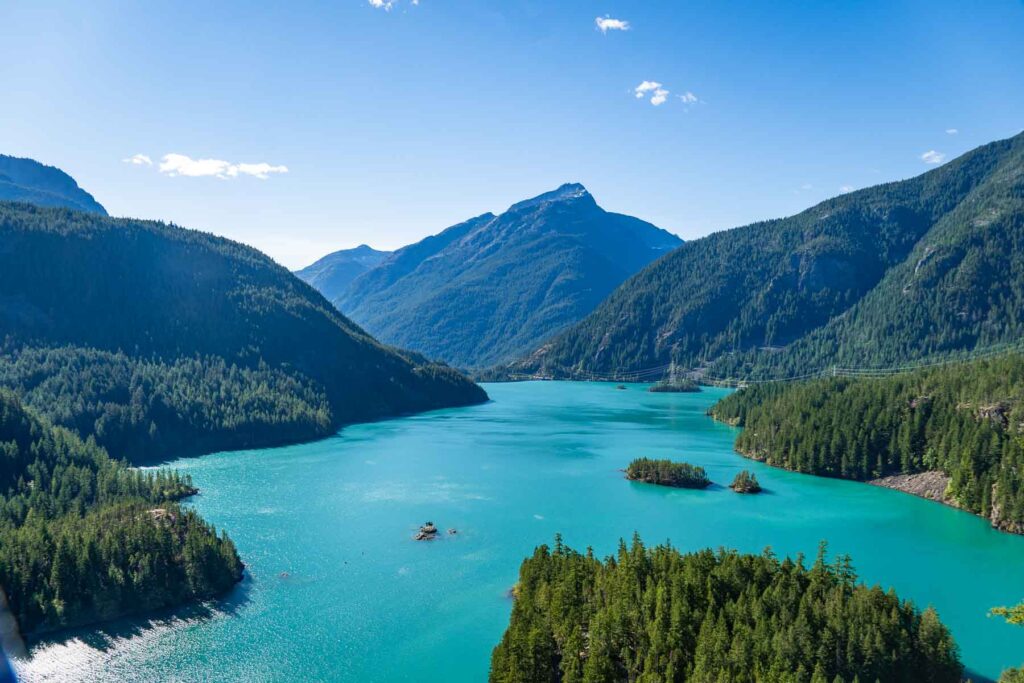
- Why June: The alpine starts to thaw, and the crowds haven’t figured it out yet
- Weather: Highs hover in the low 70s (21°C), and mornings start out cool in the 40s (about 7°C). This tends to be one of the clearer months before the smoky season later in summer.
You can still have the park mostly to yourself. North Cascades is one of the least visited national parks despite having over 300 glaciers and some of the most dramatic terrain in the lower 48. It is also one of my personal favorites.
The Cascade Pass and Maple Pass Loop trails are often accessible by mid to late June. The park’s rugged peaks and turquoise lakes feel like the Alps. You cannot miss Diablo Lake Overlook for that electric blue water without hiking at all. If you’re road-tripping, the North Cascades Highway (State Route 20) is open by now and connects scenic points with quick pull-offs.
3. Grand Teton National Park, Wyoming
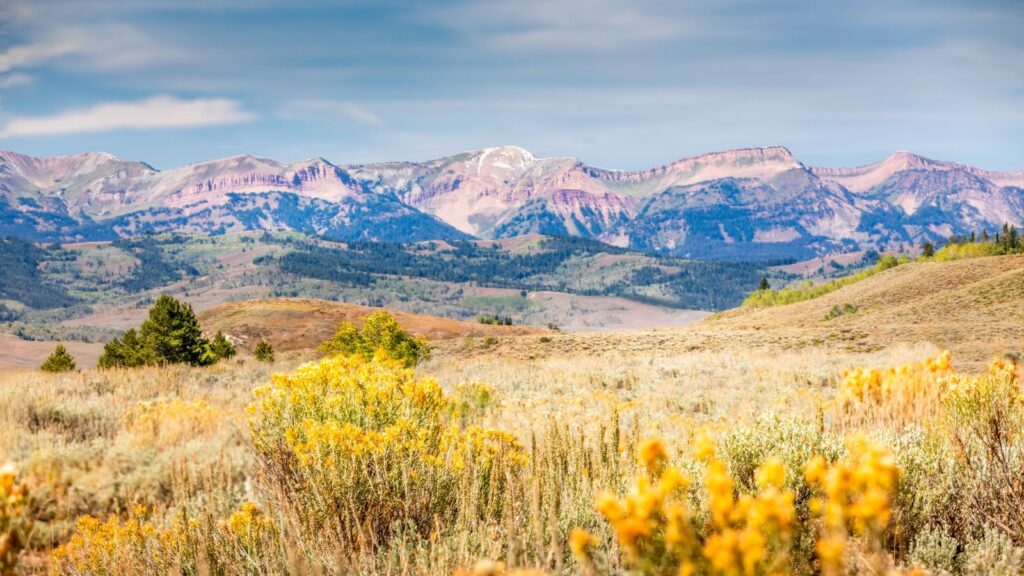
- Why June: Snow’s mostly gone, trails are dry, and wildlife is everywhere
- Weather: You’ll get daytime highs around 72°F (22°C), with cooler nights dipping into the low 40s (5°C). Rain is rare, and the clear air this time of year makes the mountains look even sharper.
By June, the Tetons shake off the last of winter, even though I still found snow on some higher elevation trails then. Wildflowers bloom in the meadows beneath Cathedral Group peaks, and trails like Jenny Lake Loop and Taggart Lake are fully open.
Moose and bison roam visibly through Antelope Flats, and you’ve got a solid shot at spotting bears near Willow Flats Overlook. If you’re paddling, rent a canoe on String Lake and glide right beneath jagged granite walls.
Mornings can be brisk at the Grant Tetons, so early risers get glassy lake reflections and golden light on the mountains. Most of the summer rush doesn’t hit until the end of the month, and many take a trip from Jackson towards Yellowstone.
4. Yellowstone National Park, Wyoming
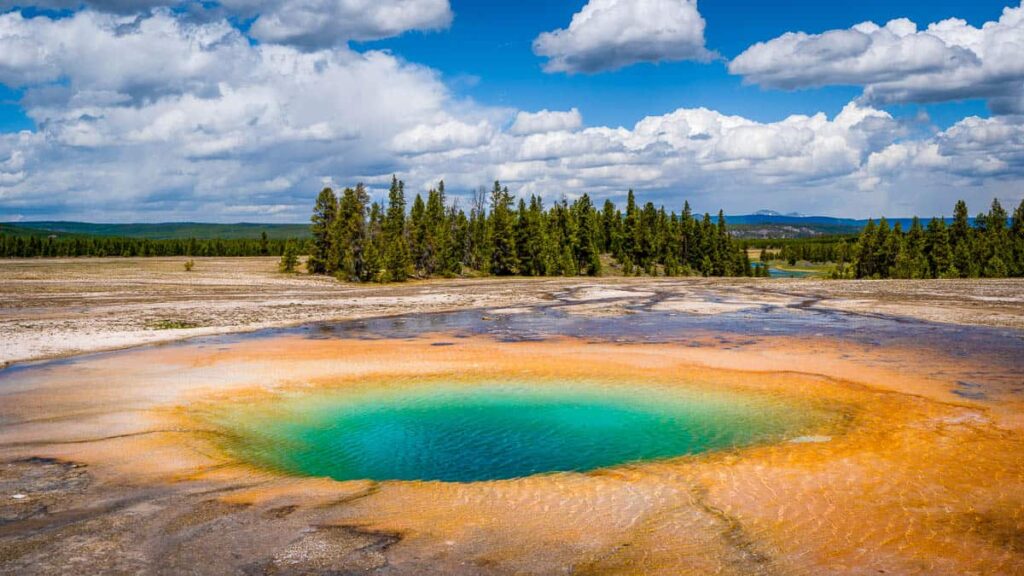
- Why June: Waterfalls are surging, wildlife is hyperactive, and traffic is still tolerable
- Weather: Highs usually fall between 60 and 70°F (16–21°C), depending on where you are in the park, and nighttime temps can drop to the mid-30s (1–2°C).
Since much of it is inaccessible for much of the year, Yellowstone doesn’t really have an off-season when it is open. With only a few solid months of accessibility and being so popular, it’s busy the moment the roads clear. But, at least you won’t have crazy traffic jams just to get into the park (most likely).
Bison calves are wobbling across Lamar Valley, bears are still foraging close to roads, and Yellowstone Falls is pounding with fresh snowmelt. If you want fewer people, explore lesser-trodden trails like Bunsen Peak or Elephant Back. At higher elevations, June still has patchy snow, so some backcountry trails might be muddy or closed.
5. Olympic National Park, Washington

- Why June: You get three ecosystems in one trip, and summer hasn’t slammed the coast yet
- Weather: Highs typically sit around 65°F (18°C), and it cools into the 40s (7°C) at night. Rain’s always a possibility here, but the park sees fewer showers than spring.
Olympic packs three national parks into one, and June is when you can actually experience all of them in a single trip without crazy weather.
Hurricane Ridge opens up for full access to subalpine hikes like Hurricane Hill, with views stretching from glacier-capped peaks to the Strait of Juan de Fuca. Down low, the Hoh Rain Forest is still lush from spring rains but has not yet been overrun. Head west, and you’ll be on incredible beaches like Rialto, Second Beach, and Ruby, where tidepools fill with starfish and sea urchins at low tide.
You can catch elk near Sol Duc Valley, soak in hot springs, and return to the coast by sunset. Rain is always possible, but June tends to be drier than May and less crowded than July.
6. Lassen Volcanic National Park, California
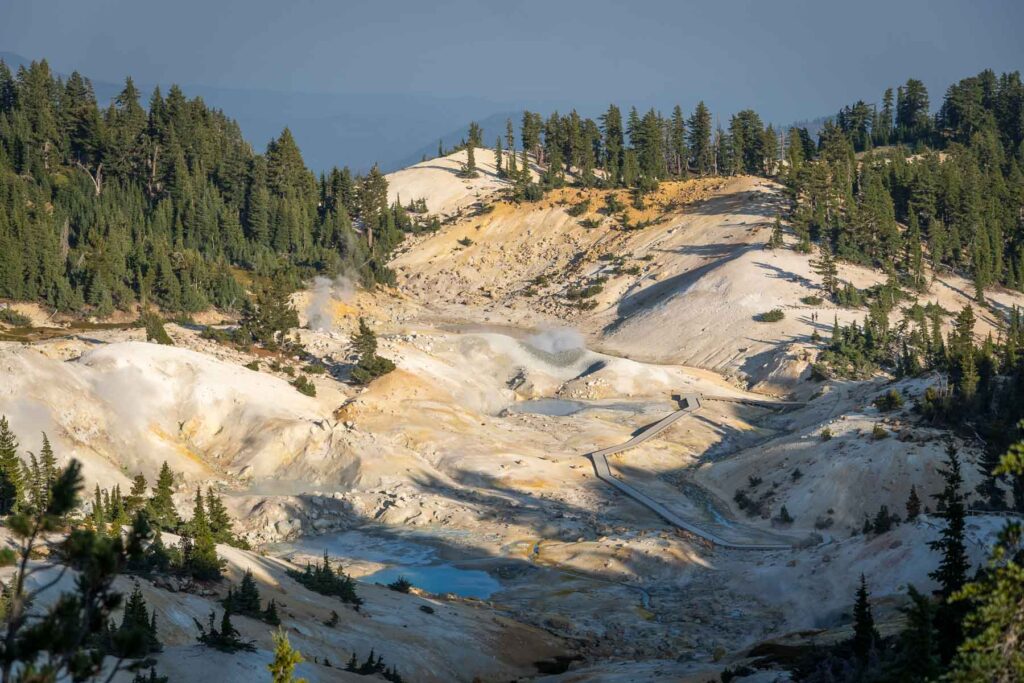
- Why June: Volcano meets alpine, and it’s not roasting yet
- Weather: Expect sunny days around 70°F (21°C) and chilly nights near 40°F (4°C). Some trails at higher elevations might still have patchy snow, but roads are open, and the air is dry and clean.
Lassen is one of California’s least-known national parks and easily one of the coolest. It sits at the intersection of four different volcano types, which means bubbling mud pots, boiling lakes, and steam vents, all on loop hikes like Bumpass Hell and Sulphur Works.
Geothermal features are at their steamiest thanks to residual snowmelt. Manzanita Lake has kayak rentals and killer views of Lassen Peak reflecting on calm water.
Snow may still linger at high elevations, but most of the park roads open by early June and attract fewer visitors than the state’s bigger parks.
7. Crater Lake National Park, Oregon
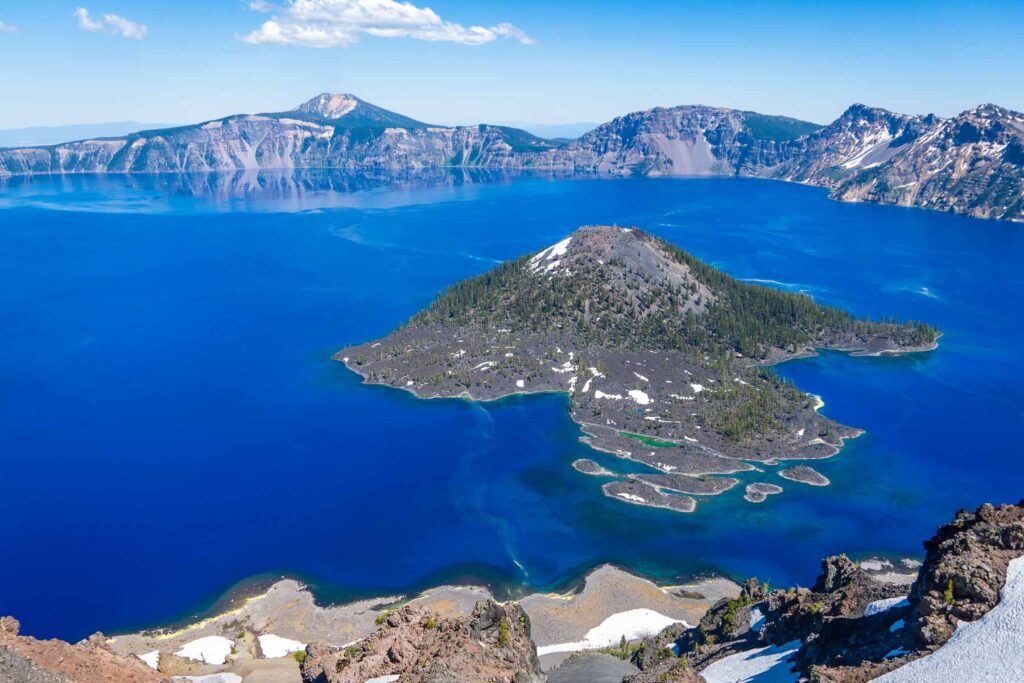
- Why June: The snow begins to clear, and the rim drive starts to open
- Weather: Daytime highs sit around 63°F (17°C), and nights often hit freezing — around 32°F (0°C) or a little warmer. Snowbanks may still line the roads, but skies are generally clear and blue. It’s one of the best months to get full-lake visibility without battling crowds.
Crater Lake has a crazy long winter, with snow that can stick around into July. By mid to late June, things start opening up and the views are unbeatable.
Crater Lake is all about that shocking blue water. The lake sits inside a collapsed volcano and drops to 1,943 feet deep, making it the deepest in the US and one of the clearest on the planet. That bright cobalt blue you’ve seen in photos? It’s even more intense in person.
Rim Drive usually opens in mid-June, giving you access to Watchman Overlook and Sun Notch for the best views. Trails like Sun Notch and Discovery Point also usually become accessible, though you’ll still see snow banks along the way.
Unfortunately, boat tours to Wizard Island don’t start until July.
8. Great Basin National Park, Nevada

- Why June: Stargazing season starts, trails melt out, and the caves stay cool
- Weather: Days usually hover around 75°F (24°C), and nights drop into the 40s (about 7°C). The crisp desert air is dry and clear.
As another little-visited park, Great Basin stays off most travelers’ radar. Any time of year, you might have entire trails to yourself.
The snow has mostly melted off the lower routes, opening up Bristlecone Grove, where you can stand next to trees that have been alive since the pyramids were new. Wheeler Peak Scenic Drive usually becomes fully accessible this month, climbing from desert floor to alpine forest in under 12 miles.
You can book a tour through Lehman Caves, packed with rare formations you won’t find in most cave systems. Nights bring clear skies and cool air, this is one of the darkest places in the Lower 48 and you can actually be outside to enjoy it.
9. Mount Rainier National Park, Washington
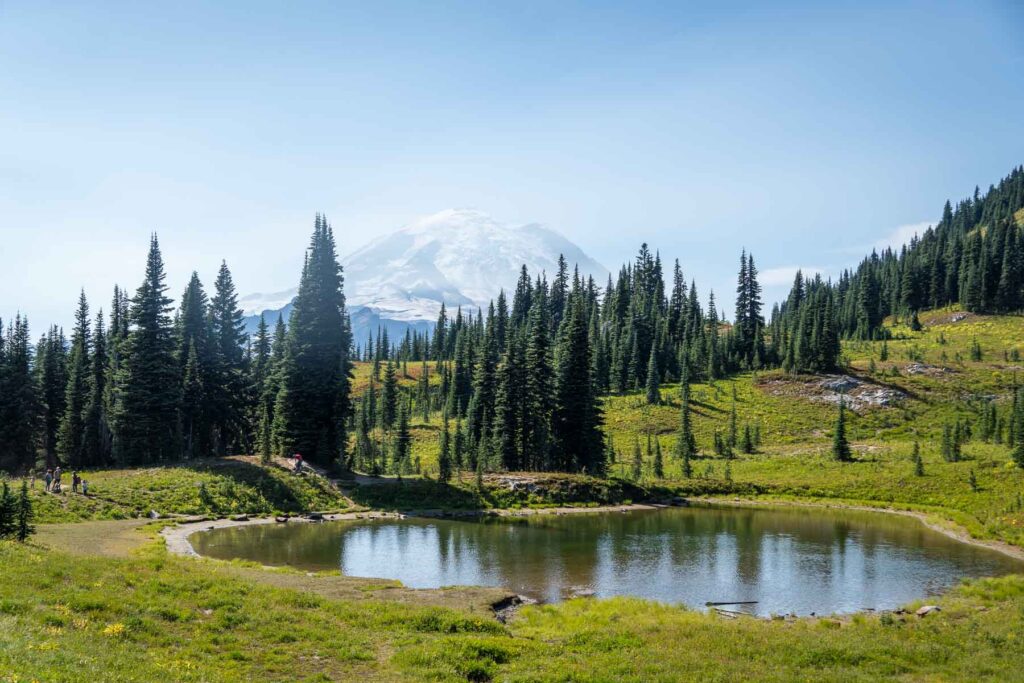
- Why June: Waterfalls are booming, wildflowers are starting, and the crowds haven’t arrived yet
- Weather: Highs stay around 65°F (18°C), and nights dip into the 40s (7°C), especially higher up. Expect snow to still be hanging out at elevation, but it’s also one of the driest months.
Mount Rainier is a training ground for climbers aiming for the summit, and June is base camp season. Its 14,410 feet of glacier-covered rock are surrounded by meadows, rivers, and some of the best trail views in the Pacific Northwest.
The snow starts melting off the lower elevation hikes, and waterfalls like Narada, Christine, and Comet Falls are roaring thanks to runoff. The Paradise area, usually buried all winter, begins to reopen with limited but gorgeous trail access. Sunrise Road, the highest point reachable by car in the park, typically doesn’t open until later in the month, but even from the lower elevations, the views are massive.
10. Sequoia & Kings Canyon National Parks, California

- Why June: Snow-free roads, trail access, and fewer crowds than Yosemite
- Weather: Lower elevations can hit 80°F (27°C), but the high country around Giant Forest and Lodgepole usually sits comfortably in the 60s to 70s (16–24°C). Nights cool into the 40s.
The roads through Sequoia and Kings Canyon are fully open, giving you access to two national parks in one go. Walk right up to the General Sherman Tree, the largest tree by volume in the world, or climb the stairs of Moro Rock for panoramic Sierra views.
The Congress Trail winds through massive groves, and Zumwalt Meadow in Kings Canyon delivers granite cliffs without the Yosemite traffic. Waterfalls like Roaring River are at their most dramatic thanks to snowmelt. Elevation changes fast here, so you can go from warm foothills to chilly alpine forests in a 30-minute drive.
11. Isle Royale National Park, Michigan
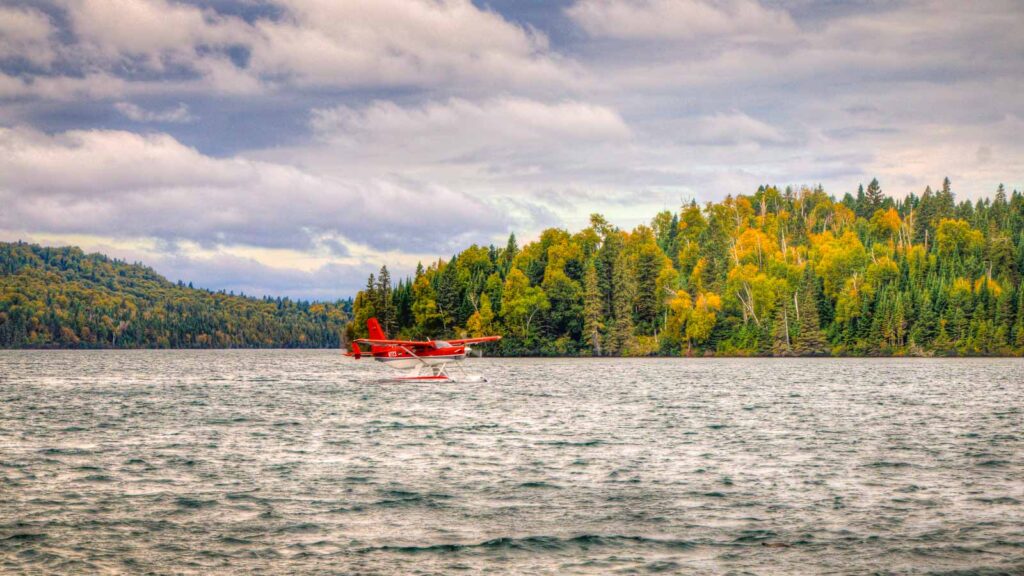
- Why June: Boats are running, bugs aren’t at full force, and the island is quiet
- Weather: Days average around 63°F (17°C), and nights settle into the low 40s (about 6°C). It’s cool, crisp, and often a breeze off Lake Superior.
This island park in the middle of Lake Superior is only open from mid-April to October. Ferries from Houghton and Copper Harbor run regularly, and you can also arrive by seaplane if you’re feeling adventurous.
Hike along Greenstone Ridge, paddle through quiet coves, or spot moose along the shoreline. There are no cars, no roads, and no cell service.
12. Voyageurs National Park, Minnesota

- Why June: Waterways are open, and the mosquito peak hasn’t hit yet
- Weather: Daytime highs float around 72°F (22°C), and it cools to the low 50s (11°C) at night.
40% of the Voyageurs National Park is made up of interconnected lakes and rivers, and this is Minnesota’s peak boating season. Rent a kayak or houseboat and explore Kabetogama Lake, Rainy Lake, or Namakan Lake, where you’ll find hidden coves, remote campsites, and see bald eagles or loons.
The Ellsworth Rock Gardens, built by a stonemason in the 1940s and 50s, is one of the park’s weirdest and most rewarding stops.
13. Black Canyon of the Gunnison National Park, Colorado
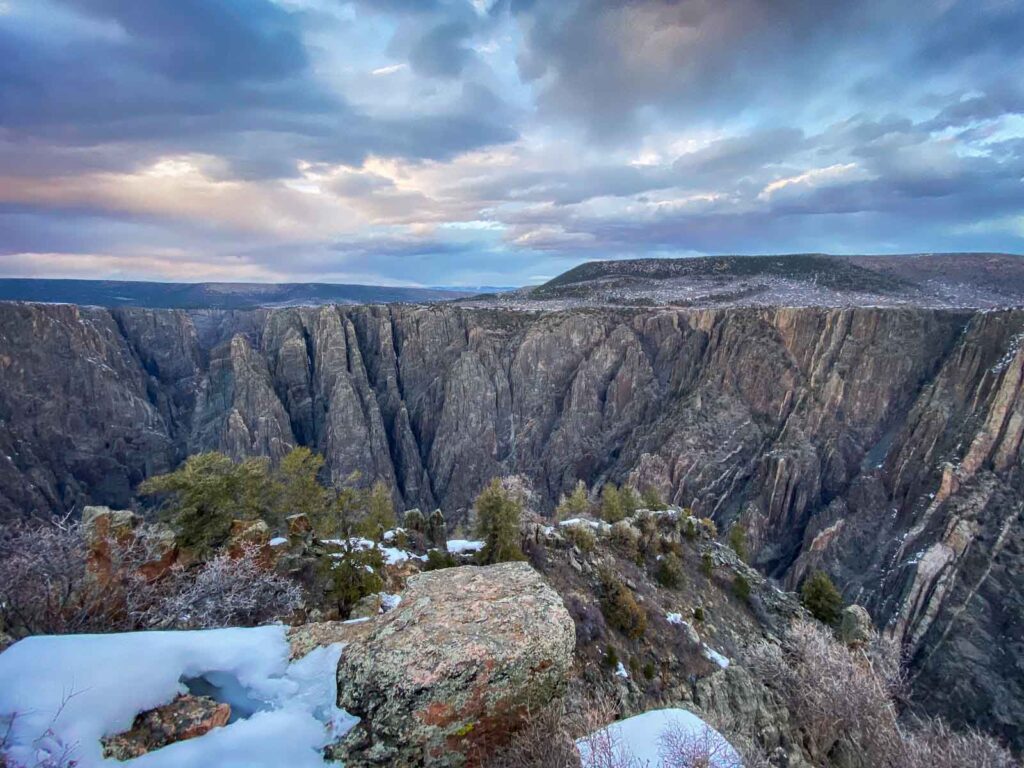
- Why June: The river’s running high, and the canyon walls light up early
- Weather: Along the rim, the temperatures will be in the upper 70s (around 25°C), but they will cool down quickly once the sun dips. Inside the canyon, temperatures will vary wildly and stay cooler.
The Black Canyon of the Gunnison is steep, shadowy, and surprisingly easy and vastly underrated canyon to miss on a map. In June, the snow is gone, the river is charging, and you can snag a campsite without booking months out. The South Rim Drive is fully open, with epic overlooks like Painted Wall, Chasm View, and Gunnison Point, giving you near-vertical views down to the roaring river, which in some places.
If you’re up for it, the descent routes into the inner canyon are wild, with steep routes and sheer walls. The park doesn’t attract the usual crowds, so it’s never that crowded even in peak season.
14. Theodore Roosevelt National Park, North Dakota

- Why June: Green hills, bison on the move, and cool weather
- Weather: Highs average around 74°F (23°C), and nights drop to the low 50s (10°C).
This one surprises people. In June, Theodore Roosevelt National Park rolls out a sea of green over its badlands and prairie, with wildflowers popping up along every overlook. The Scenic Loop Drive in the South Unit is a solid intro to 36 miles of pull-offs, overlooks, and short hikes.
Painted Canyon Overlook is right off I-94. Bison, wild horses, and prairie dogs are active, and the Petrified Forest Trail gets accessible as the mud dries up. Sunrise hikes and evening drives offer the most wildlife action and almost no people.
15. Acadia National Park, Maine

- Why June: Ocean views, clean air, and early-summer quiet
- Weather: The average high is around 68°F (20°C), with cooler nights dipping to 50°F (10°C). June through September are the driest months here.
Getting to the top of Cadillac Mountain in Acadia National Park allows you to be one of the first people in the US to catch the sunrise, and the Park Loop Road is fully open. Hike the Beehive Trail if you want iron rungs, ledges, and that perfect payoff view without peak-season crowds.
Sand Beach and Thunder Hole are just starting to get busy, but they are still enjoyable before the summer rush. The carriage roads are great for biking, especially the loop around Jordan Pond. Lobster boats dot the bay, and lupine flowers take over the roadsides.

Catherine, a seasoned travel writer, has lived in 4 different states and explored 36 states and 28 national parks. After spending two years embracing van life, she's now dedicated to sharing her vast knowledge of day trips across America. Catherine's other works has been referenced in major publications like MSN, Self, and TripSavvy.
| MY FAVORITE TRAVEL RESOURCES |
✈️ Find amazing guided tours and experiences with Viator to maximize your time! 🏘️ Plan ahead and secure your accommodation with Booking.com in advance. 🧾 Rent a car with Discovercars in advance and get the best prices for your day trip adventures. |