
15 Most Beautiful Mountains in the US—And the Trails You Can’t Miss


Since my untrained hike up Everest Base Camp, I’ve been drawn to the sheer scale of mountains, their challenges, and the stories they inspire. I’ve met people who’ve spent six months hiking the entire Appalachian Trail, and I’m in awe of their grit, though I can’t say I’d ever want to do the same.
Moving west and living in a van for years through remote, mountainous areas, I was pleasantly surprised by some of the most beautiful mountains in the US. Some days, I’d wake up to the sight of mist rolling off snow-capped ridges, and other days, crimson sunsets painted the cliffs in shades you’d swear couldn’t be real.
From the towering peaks of the Rockies to the jagged spires of the Cascades, these scenic mountains in America are just postcard-perfect.
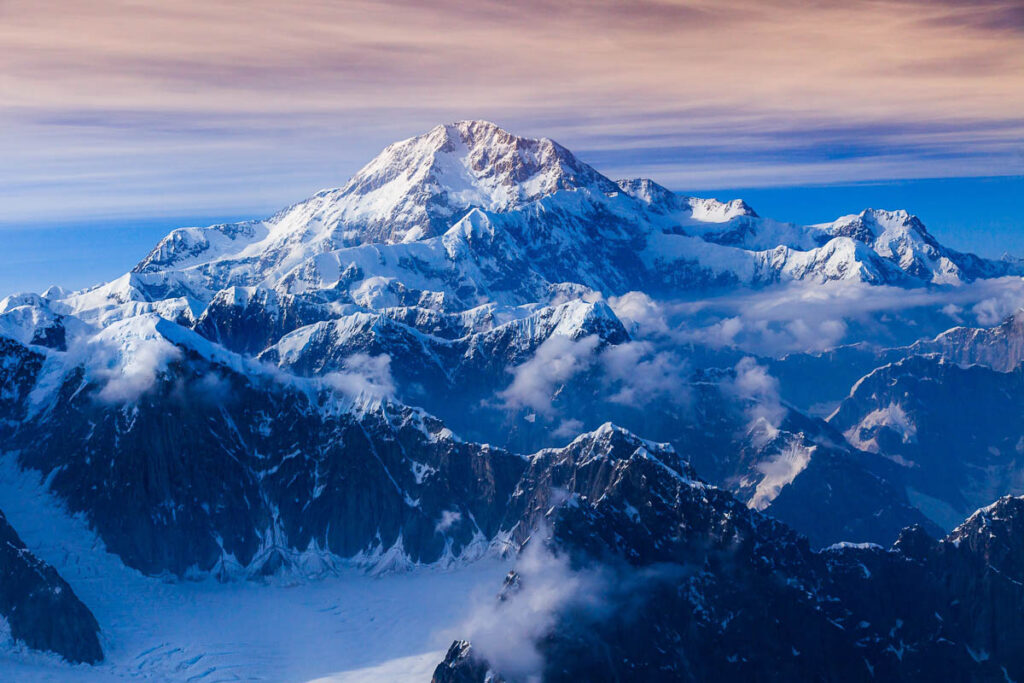
Denali (Mount McKinley), Alaska – 20,310 ft
Denali is the tallest peak in North America and looms so high above the tundra it creates its own weather. It’s taller in vertical rise from base to summit than any other mountain in the world, including Everest (but not from sea level).
The mountain is part of the Alaska Range and home to 600 square miles of glaciers, including the 44-mile-long Kahiltna Glacier, the longest in the range.
Climbing Denali is a serious endeavor, with only about 50% of climbers reaching the harsh summit each year due to extreme temperatures, sudden storms, and intense altitude challenges.
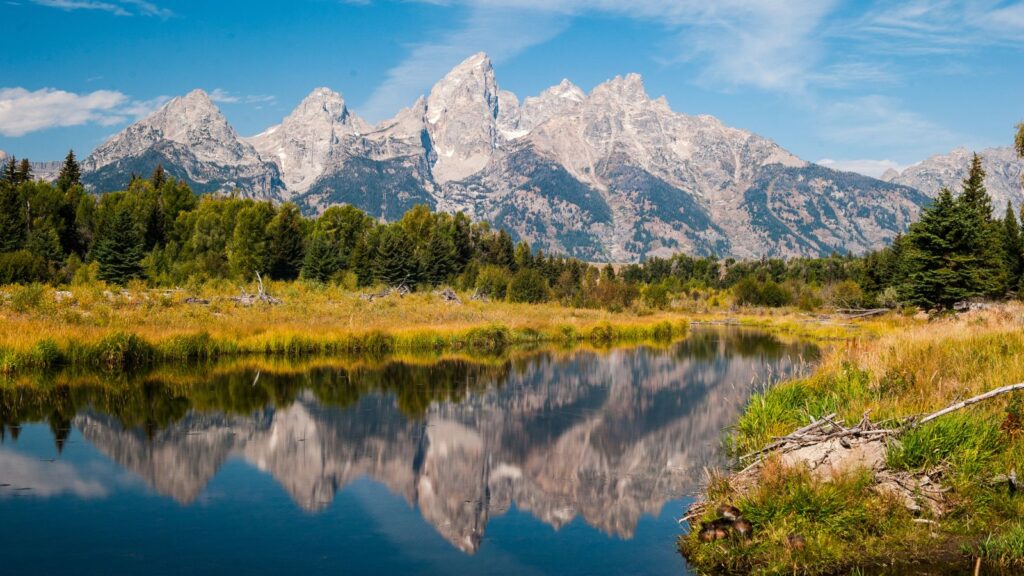
Grand Teton, Wyoming – 13,775 ft
Rising straight up from the Jackson Hole valley, the Tetons tower over with craggy, snow-dusted peaks and alpine lakes that mirror the landscape. The mountain’s profile was formed by tectonic activity that lifted the peaks and dropped the valley floor, creating one of the youngest mountain ranges in North America.
The Cascade Canyon Trail, a 9.1-mile trek, provides access to alpine lakes and wildflower meadows while offering jaw-dropping views of the Tetons’ iconic granite spires.
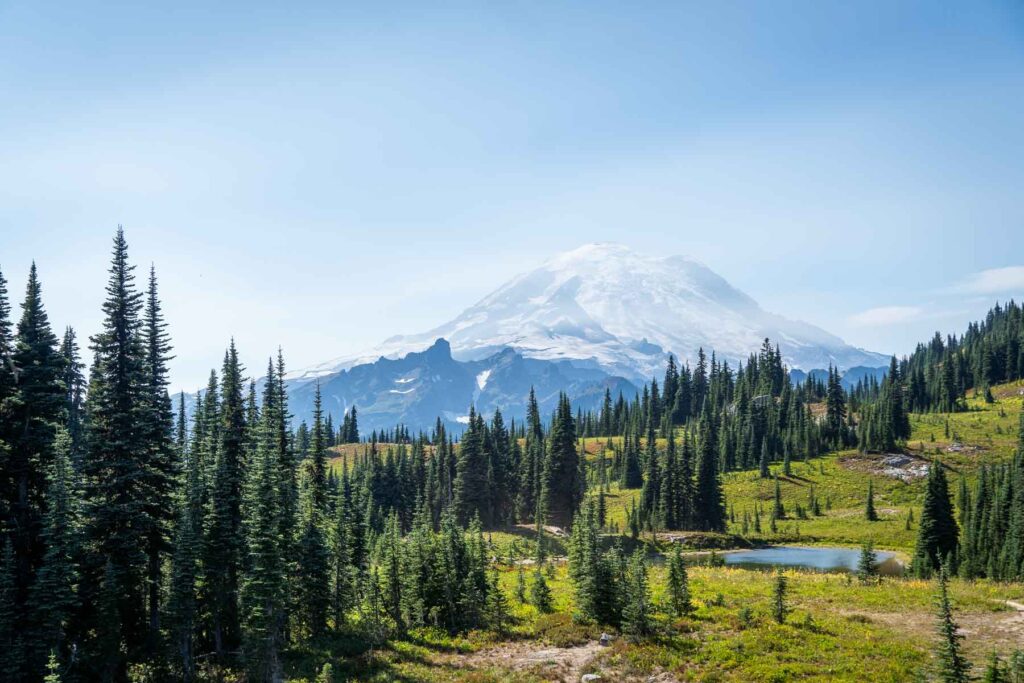
Mount Rainier, Washington – 14,411 ft
You can’t live in Seattle without seeing Mount Rainier every single day it’s not hiding behind clouds. This massive, glaciated volcano is overdue for an eruption, but in the meantime, it’s the center of one of the most epic national parks in the country.
The mountain generates its own weather patterns due to its massive height and proximity to the Pacific Ocean, leading to some of the highest recorded snowfall in the world.
The Wonderland Trail loops 93 miles around the base, and wildflowers explode into color each summer in the aptly named Paradise meadows.
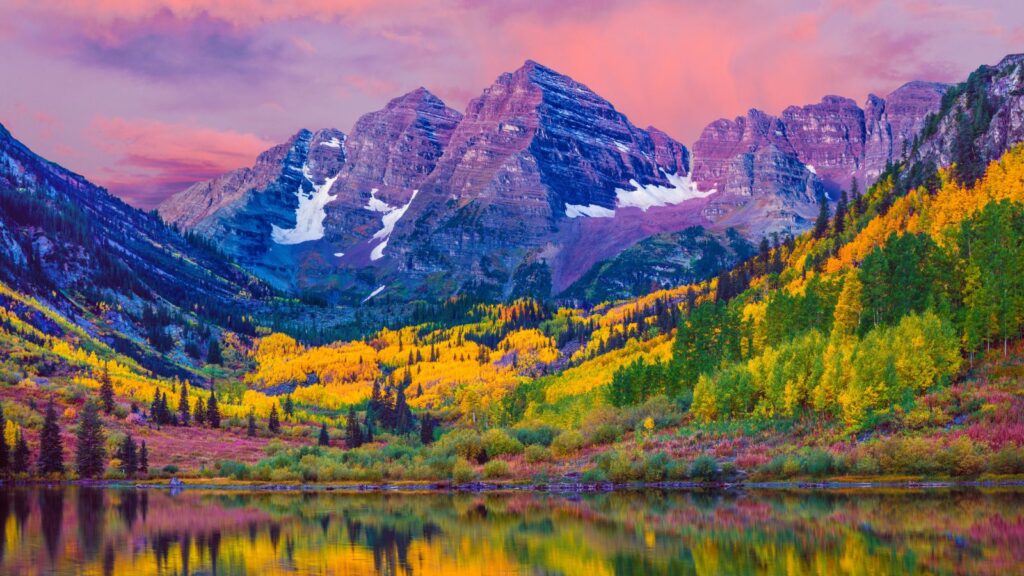
Maroon Bells, Colorado – 14,163 ft
The Maroon Bells are two peaks that rise 14,163 feet and 14,019 feet, respectively, forming one of the most photographed vistas in Colorado. But the Maroon Bells aren’t just pretty, they’re also some of the most dangerous to climb in Colorado due to their notoriously loose rock.
The 1.9-mile Maroon Lake Scenic Trail is a relatively easy hike with unbeatable views of the Bells reflected in the lake. The more challenging Four Pass Loop, a 26-mile backpacking route, gives a complete tour of the region’s high-altitude terrain, with multiple 12,000-foot passes and alpine lakes.
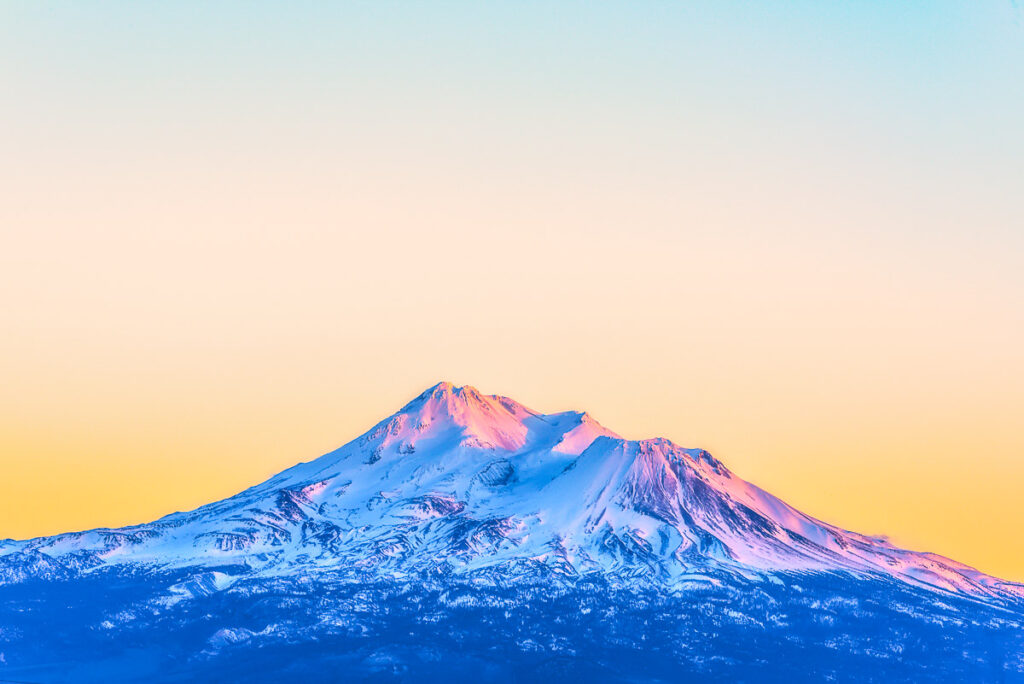
Mount Shasta, California – 14,179 ft
Dominating the northern California skyline, Mount Shasta is a stratovolcano that last erupted in 1786 and is considered a high-risk volcano. A hippie paradise, some people believe Mount Shasta is a spiritual vortex; others say it’s home to a hidden city of ancient aliens.
But the real power move is summiting its 14,179-foot peak via the Avalanche Gulch route, a journey that requires crampons, ice axes, and a tolerance for suffering. For something less exhausting, the 5-mile Black Butte Trail offers killer views of the massive stratovolcano.
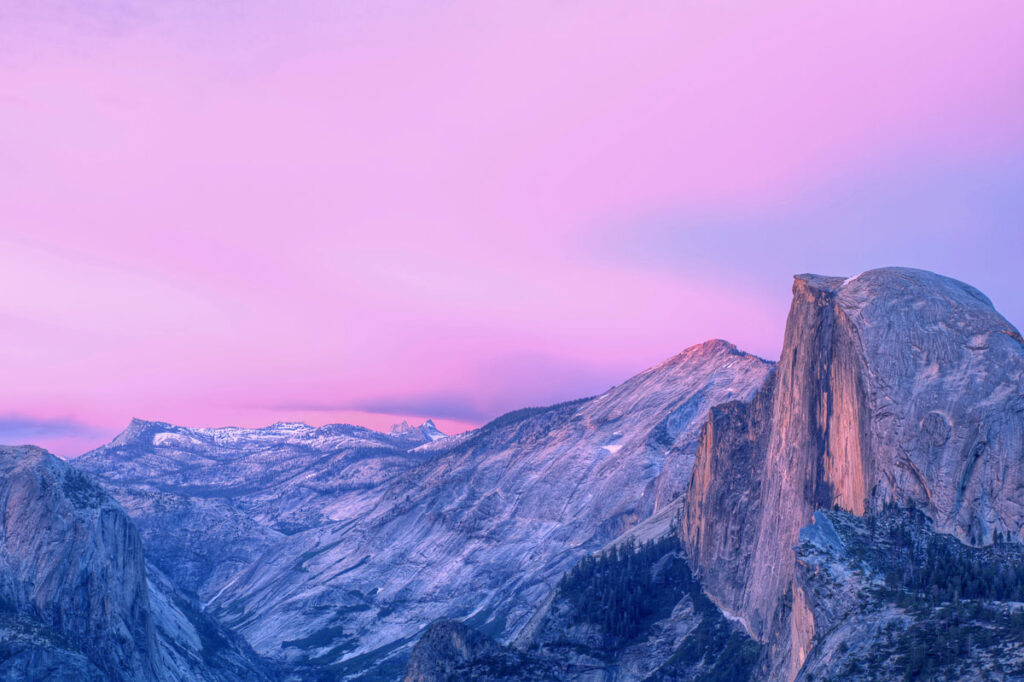
Half Dome, California (Yosemite) – 8,846 ft
Half Dome is one of the most recognizable landmarks in Yosemite National Park. It was formed by glacial erosion that carved away one side of the granite monolith. Geologists estimate Half Dome is about 93 million years old.
The Half Dome Cables Route is a 14—to 16-mile round-trip hike that requires a hard-to-obtain permit. It involves climbing up steep granite slabs using fixed cables, a physically demanding ascent that gains over 4,800 feet in elevation.
If you’d rather keep your feet closer to the ground, the Mist Trail takes you up to the base, passing two epic waterfalls along the way.
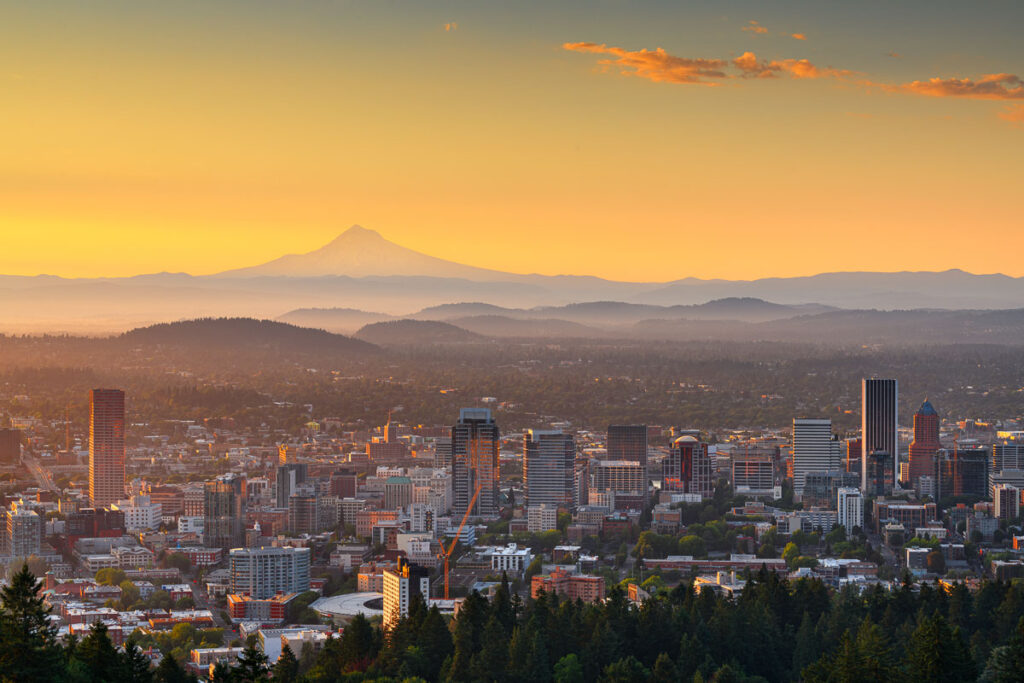
Mount Hood, Oregon – 11,239 ft
Mount Hood looms over Portland like an icy monolith, and its slopes stay snowy enough for skiing almost year-round. Mount Hood is Oregon’s highest peak and is home to 12 glaciers, making it a major water source for the surrounding region. The mountain is also an active stratovolcano with a history of small eruptions.
Timberline Lodge, built during the Great Depression, offers the longest ski season in North America on the Palmer Glacier. The 40-mile Timberline Trail loops around the mountain, crossing rivers, lava flows, and alpine meadows filled with wildflowers in the summer.

Mount Saint Elias, Alaska/Yukon – 18,008 ft
Mount Saint Elias rises so abruptly from the Gulf of Alaska that it has one of the most dramatic vertical rises of any mountain in the world. It’s the second-tallest peak in both the US and Canada, and its steep, icy flanks are known to spit out climbers who underestimate it.
It remains one of the most technically challenging peaks to climb in the country. Those who aren’t risking their lives on the summit can take in the view from Wrangell-St. Elias National Park, where glaciers stretch for miles and grizzlies roam freely.
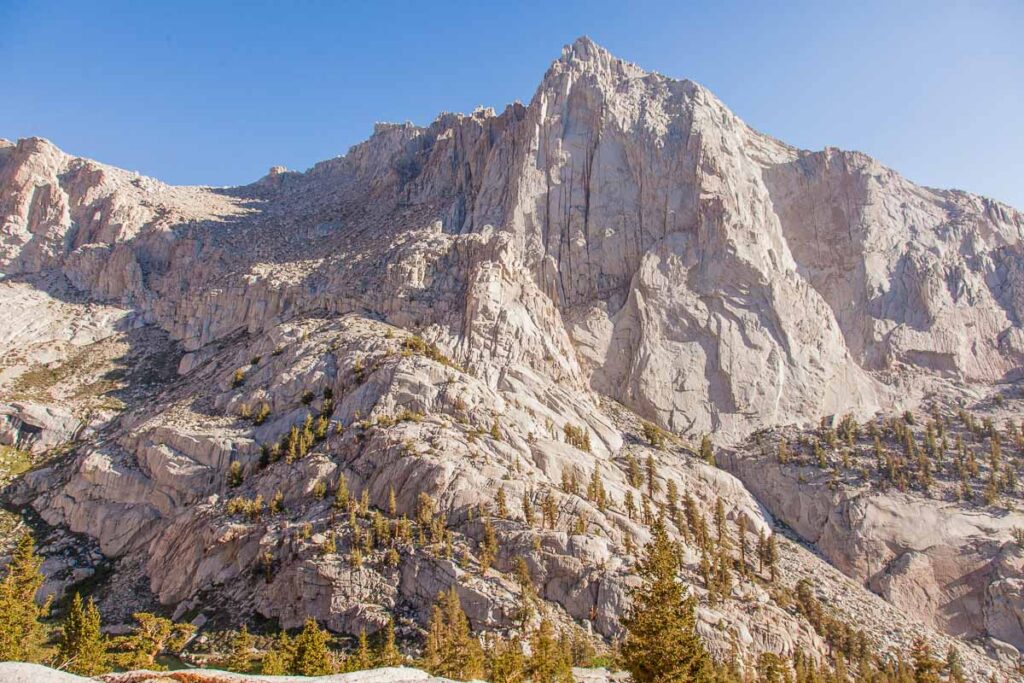
Mount Whitney, California – 14,505 ft
At the southern end of the Sierra Nevada, Mount Whitney is the tallest mountain in the contiguous US. It is composed of granite dating back more than 100 million years, and its summit offers unobstructed views of Sequoia National Park and the Owens Valley.
The 22-mile round-trip Mount Whitney Trail is one of the most popular routes for climbers, attracting over 20,000 permit applications each year. It’s also the finale of the legendary John Muir Trail, which takes hikers 211 miles from Yosemite to its summit.
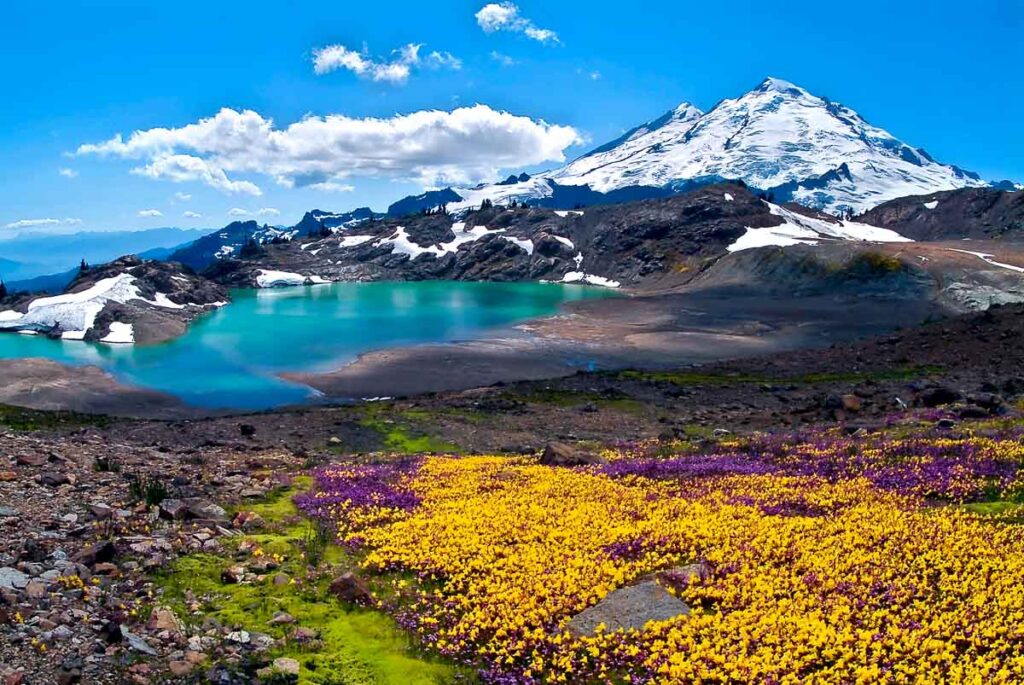
Mount Baker, Washington – 10,781 ft
Mount Baker broke the record for the snowiest place on Earth in the late ’90s. It set the world record for snowfall in a single season, dumping a mind-bending 1,140 inches, though it has since been beaten. The mountain’s summit is heavily glaciated, with 10 major glaciers covering its slopes.
In the summer, the Park Butte Trail offers one of the best day hikes in Colorado, with wildflower meadows, glacial streams, and a fire lookout that might make you consider going off-grid for good.

Mount Olympus, Washington – 7,980 ft
Mount Olympus is a glacier-capped beast rising from the lush rainforests of Olympic National Park. The mountain is crowned by glaciers, including the Blue Glacier, which stretches 2.6 miles and is one of the largest in the contiguous US.
The only way to the top involves 17 miles of crossing multiple crevasses and navigating through dense fog and unpredictable weather. For a slightly less intense adventure, the Hoh River Trail winds through a moss-covered Pacific Northwest fairy tale setting.

Mount Washington, New Hampshire – 6,288 ft
Mount Washington might not be the tallest mountain in the East, but it’s infamous for having the worst weather in the world, with hurricane-force winds and temperatures that can plummet below -40°F. Its summit once held the record for the highest wind gust ever recorded on Earth at 231 mph.
Hardcore hikers tackle the Tuckerman Ravine Trail, but plenty of people just drive up the historic Auto Road or take the Mount Washington Cog Railway and call it a day.
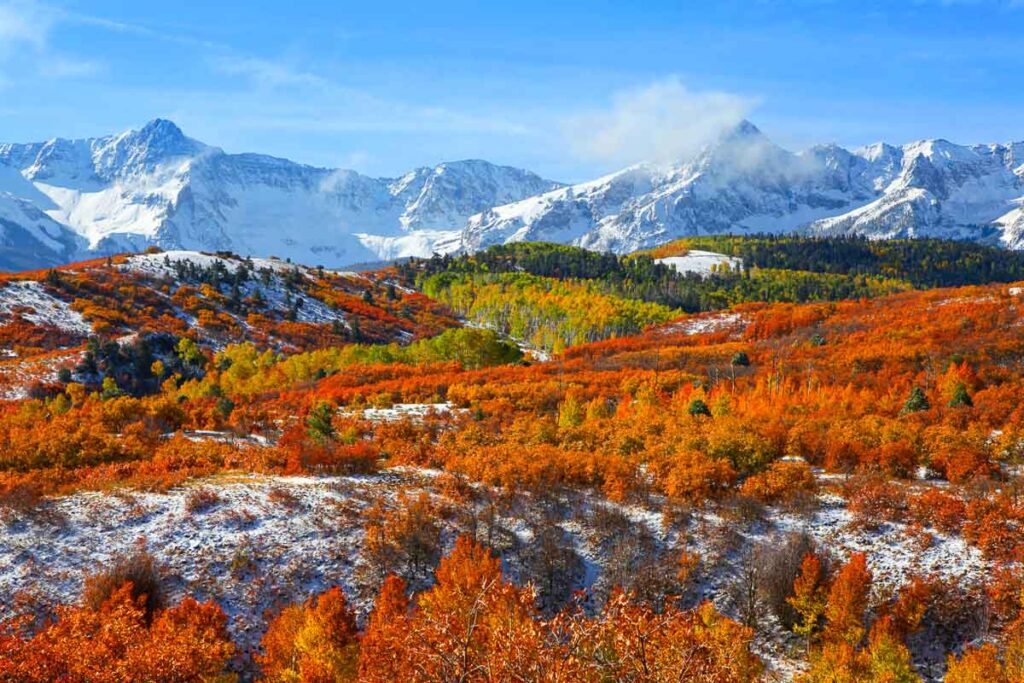
Mount Sneffels, Colorado – 14,158 ft
Mount Sneffel’s jagged, knife-edge ridges make it one of Colorado’s most photogenic fourteeners. The mountain is named after a fictional Icelandic volcano from Journey to the Center of the Earth.
The Yankee Boy Basin Trailhead provides the most accessible route, taking hikers through fields of wildflowers and past mining relics before the final scramble to the summit.
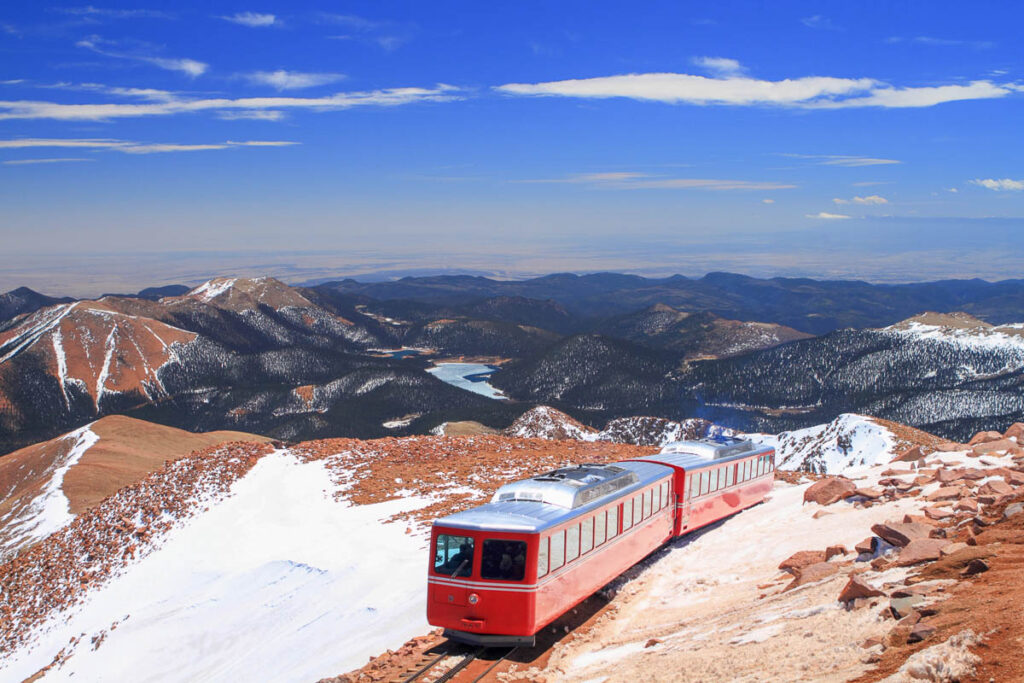
Pikes Peak, Colorado – 14,115 ft
Pikes Peak is one of the most visited mountains in the world, attracting over half a million visitors annually.
It’s the mountain that inspired “America the Beautiful.” Katherine Lee Bates wrote the iconic song after a mule ride to the summit, and you can still drive, hike, or take a cog railway to the top for the same sweeping views she had in 1893.
In summer, pro drivers race to the top in the annual Pikes Peak International Hill Climb, pushing cars to their limit on the death-defying switchbacks.
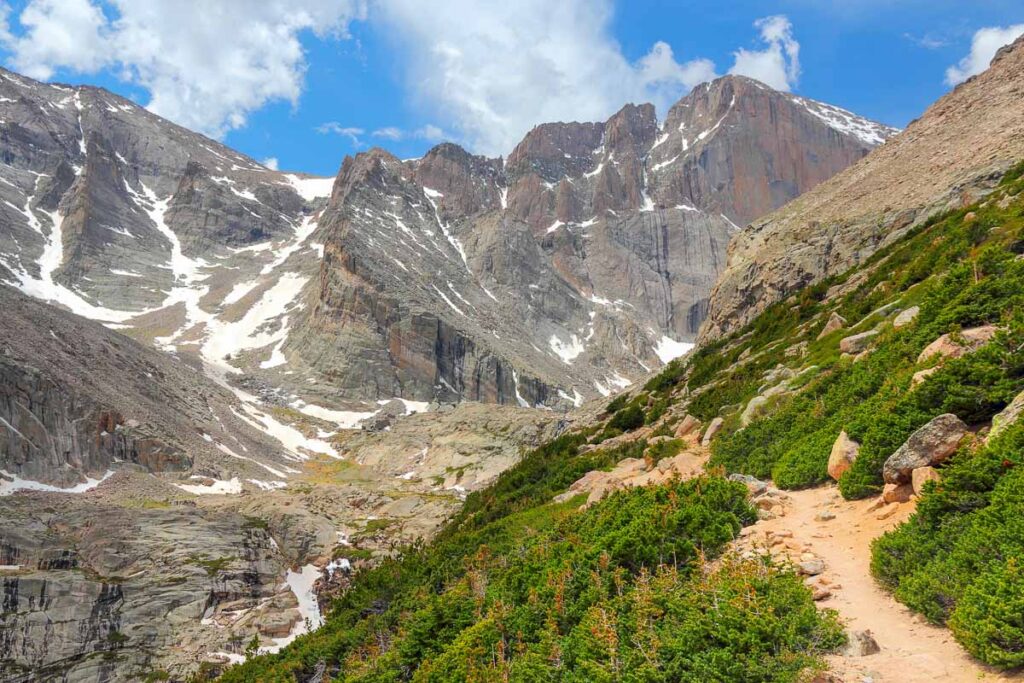
Longs Peak, Colorado – 14,259 ft
Longs Peak is the northernmost fourteener in Colorado and the only fourteener in Rocky Mountain National Park. The mountain’s distinct flat-topped summit is a geological remnant from when ancient glaciers carved out its shape.
As one of the hardest summits in a national park, the bone-rattling Keyhole Route has claimed more lives than any other climb in the state. The 15-mile round trip is a beast, with steep drop-offs and unpredictable weather, but the summit views stretch all the way to Wyoming.

Catherine, a seasoned travel writer, has lived in 4 different states and explored 36 states and 28 national parks. After spending two years embracing van life, she's now dedicated to sharing her vast knowledge of day trips across America. Catherine's other works has been referenced in major publications like MSN, Self, and TripSavvy.
| MY FAVORITE TRAVEL RESOURCES |
✈️ Find amazing guided tours and experiences with Viator to maximize your time! 🏘️ Plan ahead and secure your accommodation with Booking.com in advance. 🧾 Rent a car with Discovercars in advance and get the best prices for your day trip adventures. |