
12 Best National Parks to Visit in January to Chase the Winter Sun


In January, much of the country is deep into winter, with icy roads and short daylight hours hindering full travel days. But not every national park shuts down for the season. If you’ve ever tried to hike in freezing wind or navigate snowed-in trailheads, you know the appeal of heading somewhere warmer when the year is just getting started.
After two years on the road and 31 national parks visited, January became a month of strategy. I always just headed to lower elevations and desert landscapes. These 12 national parks offer winter sun and conditions that actually make exploring enjoyable.
These selections consider weather, accessibility, crowd levels, trail conditions, and seasonal closures, along with firsthand experience. Based on those factors, these are the parks that make January a surprisingly great time to visit.
1. Everglades, Florida

- Why January: Dry season means fewer mosquitoes and way more wildlife
- Weather: Highs in the mid-70s °F (around 24°C) with cooler mornings and no humidity meltdown
In January, the water levels in the Everglades drop just enough to concentrate wildlife into smaller areas, which means it’s easier to spot alligators, manatees, roseate spoonbills, and even elusive panthers. Airboat tours are less chaotic, and trails like Shark Valley or Anhinga are at their best. Kayaking through mangrove tunnels feels way more peaceful without the summer bugs.
Since it’s the dry season, you’re also dodging the worst of the humidity and avoiding hurricane risk. It’s warm enough to feel like a true winter escape, but not so hot you regret hiking. Honestly, January might be the only month where swamp feels like a good idea.
2. Death Valley, California

- Why January: Finally cool enough to go outside without combusting
- Weather: Daytime highs in the upper 60s °F (20°C), chilly at night in the 40s (5–10°C)
January is the sweet spot when you can actually explore Badwater Basin, Zabriskie Point, and Artist’s Drive without melting into the pavement. The sun still feels strong, but it’s pleasant until the sunset chill.
Trails are open, skies are clear, and the light in Golden Canyon near sunset is unreal. Photographers love this time of year because the haze is gone and everything looks sharper. Sunrise at Dante’s View? Absolutely worth the early alarm. Crowds are minimal compared to spring bloom season.
3. Big Bend, Texas

- Why January: Peak season with desert views and actual fresh air
- Weather: Highs hover in the 60s °F (15–20°C), with cooler desert nights in the 30s
This massive, remote park along the Rio Grande doesn’t mess around with summer heat, so winter is when everything opens up.
Santa Elena Canyon looks like it was carved by giants, and the contrast of blue sky and red rock is camera gold. The Chisos Mountains feel crisp and still. You can even dip into the hot springs by the river for a perfect warm-up after a long walk. Campgrounds book fast this month, so plan ahead.
4. Saguaro, Arizona

- Why January: The cacti look like cartoon characters and the weather is basically perfect
- Weather: Mid-60s °F (18°C) during the day, with cool desert mornings and evenings
Saguaro is what most people picture when they hear “desert,” and January is when the experience matches the fantasy. You get that beautiful low-angle winter light hitting the massive cacti, and no one’s sweating through their shirt trying to take it in.
The park’s two sections, Rincon Mountain and Tucson Mountain, both shine this time of year. Trails like the Valley View Overlook are short and rewarding, while longer hikes like Wasson Peak give you major panoramic payoffs. There’s not much blooming yet, but the stargazing here is unreal because of the clear skies and dry air. Add in the close proximity to Tucson, and it’s a win for convenience too.
5. Joshua Tree, California

- Why January: It’s cool enough to actually enjoy a full day outside
- Weather: Highs in the upper 50s °F (15°C), nights drop below freezing
January in Joshua Tree is for people who like strange landscapes and peace and quiet. The iconic trees look even more dramatic under low winter sun, and without the summer crowds, you’ll actually hear the wind moving through the rocks.
Rock climbers love this time of year as the friction is better and the sun doesn’t sap your will to live. The Cholla Cactus Garden glows in the morning, and the Barker Dam trail still holds a little water. You’ll need layers as desert cold is no joke, but the trade-off is having entire areas to yourself. If you’re lucky, you might catch a dusting of snow on the granite boulders.
6. Dry Tortugas, Florida
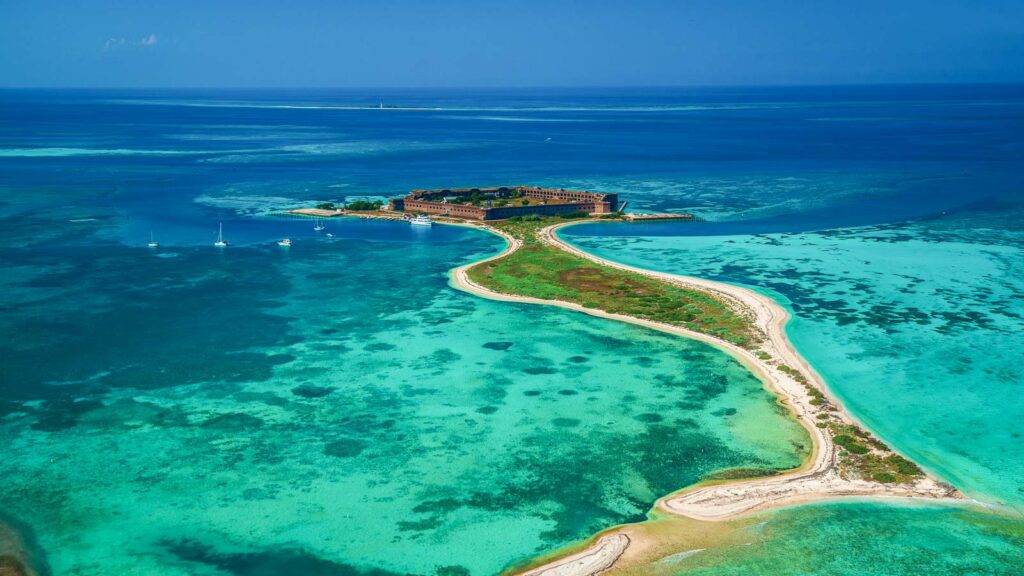
- Why January: Calm seas and clearer skies make this remote park easier to reach
- Weather: Highs around 75°F (24°C), warm breezes and cool evenings in the low 60s
Dry Tortugas is only accessible only by boat or seaplane. This tiny chain of islands west of Key West gives you warm weather and clear water away from the mainland chaos.
Fort Jefferson is the star, a massive coastal fort in the middle of the Gulf that feels like a movie set. Snorkeling conditions are often better this time of year with calmer seas and better visibility. You might spot sea turtles, and birdwatchers love this season too.
Camping is possible, but it’s basic. Still, waking up on a remote island while your friends are shoveling snow? Worth it.
7. White Sands, New Mexico
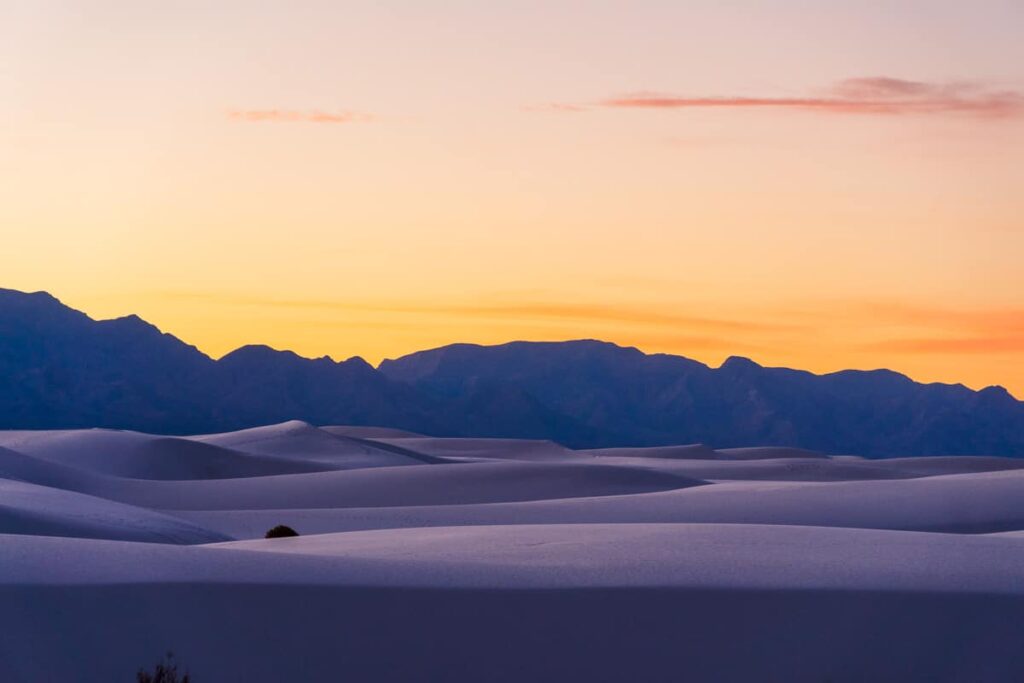
- Why January: The white dunes glow even brighter in the low winter sun
- Weather: Highs in the 50s°F (10–15°C), chilly nights that dip below freezing
White Sands in January is quiet, surreal, and way easier to handle than under a summer sun. The gypsum sand stays cool year-round, which means hiking or sledding the dunes is still a blast even in the middle of winter. The crowds are smaller, the sky seems bigger, and the stark contrast between the snow-white sand and the blue sky makes for absurdly good photos.
You’ll want to bring a jacket, especially for early mornings or evening light. Ranger programs still run this time of year, and the sunsets can be ridiculous. There’s also a calm here that’s hard to describe, especially if you walk far enough to feel like you’re the only one around.
8. Petrified Forest, Arizona
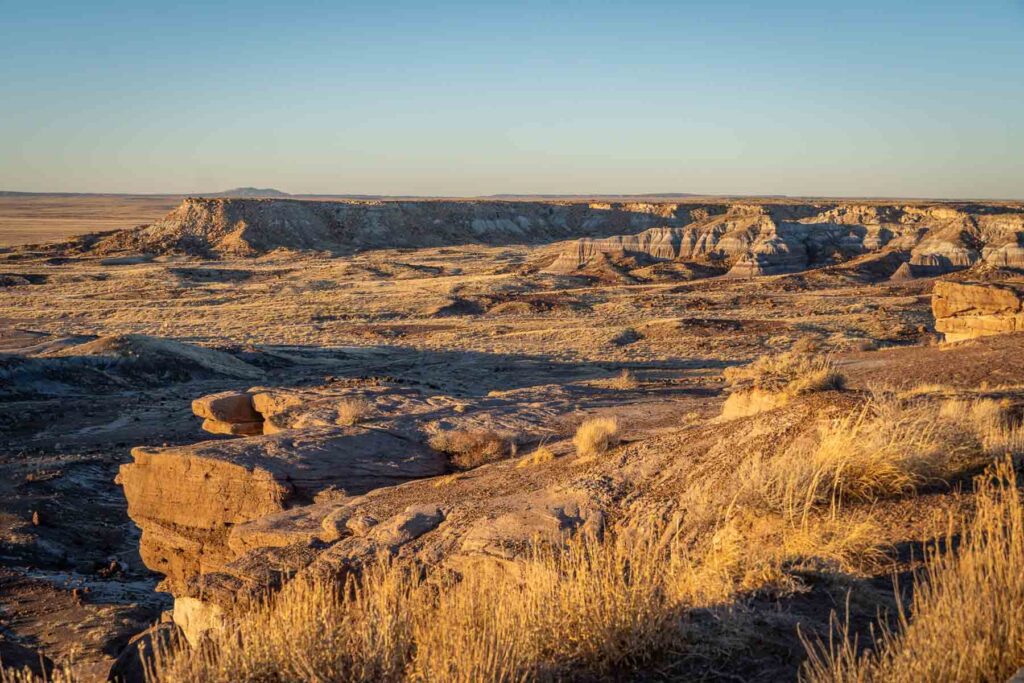
- Why January: You can walk through a frozen forest without sweating through your shirt
- Weather: Highs in the upper 40s to low 50s°F (9–12°C), with colder nights and possible snow
Petrified Forest might not be on everyone’s radar, but January is the best time to change that. This park offers one of the most unique landscapes in the Southwest. Massive chunks of ancient trees turned to colorful stone stretch across a high desert plateau.
The cooler temps make it easier to explore areas like Blue Mesa and the Painted Desert, both of which are jaw-dropping in winter light. There’s also ancient petroglyphs, Route 66 history, and a quiet stillness that’s hard to match elsewhere. Snow is rare but possible, and when it dusts the petrified logs and badlands, the photos are next-level.
You won’t need much bug spray or sunscreen. It’s also less crowded, so you’ll get the trails and viewpoints mostly to yourself.
9. Haleakalā, Hawaii
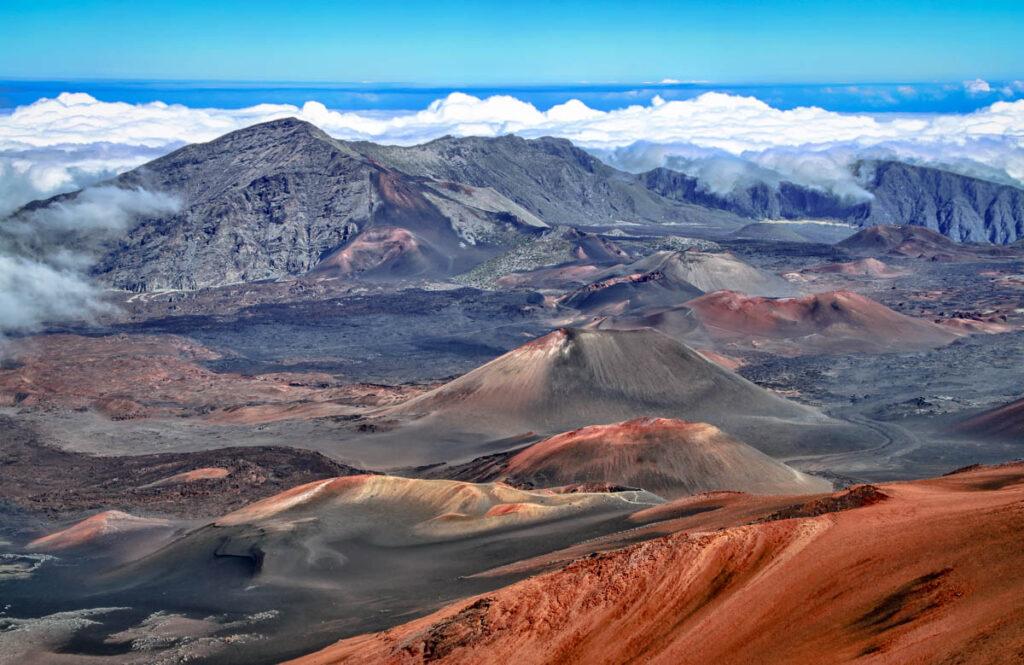
- Why January: You can watch the sunrise from 10,000 feet, then be on the beach by lunch
- Weather: Highs at summit in the 60s°F (15°C), warmer at sea level with temps in the upper 70s
Haleakalā is one of the few national parks where winter never really comes. Watching the sunrise from the summit is a bucket-list move, and January skies tend to be clearer after winter storms have passed through. The colors over the crater are unreal and worth every bit of the 3 a.m. alarm.
If you’re into hiking, trails like Sliding Sands are cooler and more comfortable this time of year. Down at sea level, the Kipahulu section near Hana is lush and green, with waterfalls in full force from recent rains. You can realistically hike in a crater, see a waterfall, and swim in the ocean all in the same day. Just know you’ll need a reservation for sunrise access.
10. Virgin Islands, U.S. Virgin Islands

- Why January: Trade the snow for turquoise water without needing a passport
- Weather: Highs in the low 80s°F (27°C), breezy and warm with occasional showers
Virgin Islands National Park on St. John is a no-brainer winter escape. January is peak season for a reason, the beaches are perfect, the snorkeling is world-class, and the vibe is exactly what you want in the middle of winter.
The reef at Trunk Bay is famous for a reason, and the underwater trail is just as fun as it sounds. Hiking trails into the hills give you views of ruins, cacti, and sea beyond sea. Maho Bay is often full of sea turtles, and the water stays warm enough to swim for hours. It’s a great time for kayaking and paddleboarding too, with less wind than spring.
11. Zion, Utah
- Why January: No shuttle lines or scorching heat
- Weather: Highs in the upper 40s°F (8–10°C), with cold nights and possible snow at elevation
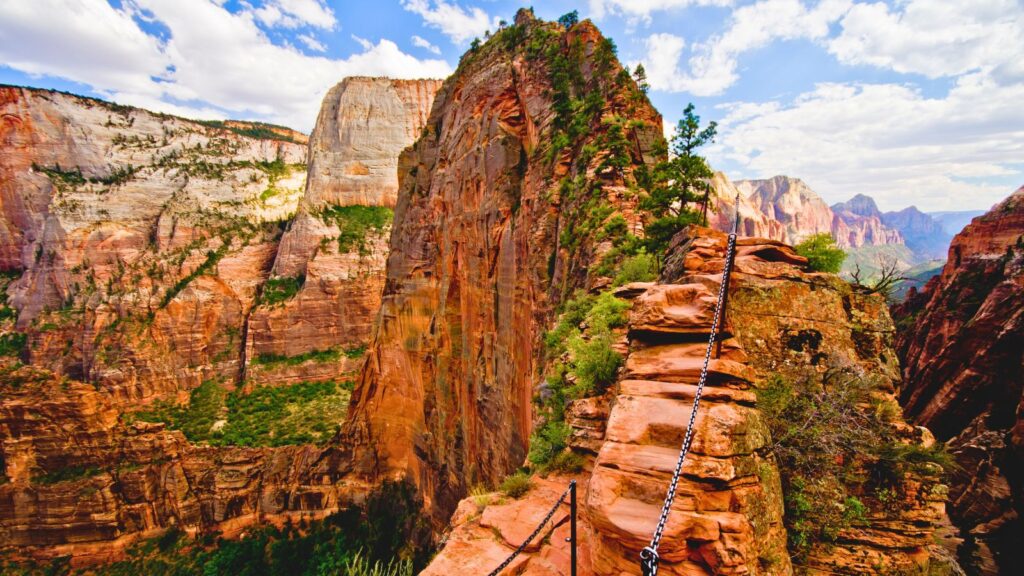
Zion is one of the most visited parks in the country, but not in January. This is when you can actually drive your own car through Zion Canyon, and parking at trailheads becomes a real possibility.
Angels Landing can still be attempted if the chains aren’t icy, but you’ll want to check conditions carefully. I was lucky enough to have the rare snow dusting the red rock walls. Honestly, even the Narrows was very fun even while suffering through a dry suit and numb feet.
12. Hawai’i Volcanoes, Hawaii
- Why January: Active lava flows and cool hikes across otherworldly terrain
- Weather: Highs in the mid-70s°F (24°C), with cooler temps at higher elevations and some rain
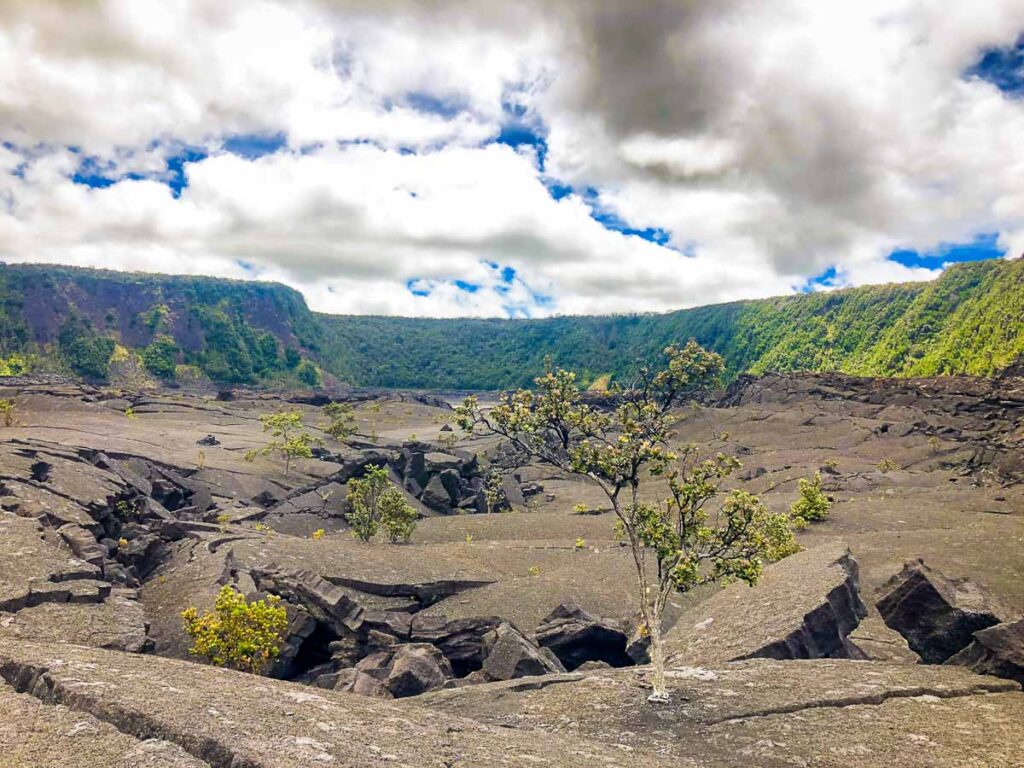
If there’s lava flowing, January is a solid time to see it in action. Hawai’i Volcanoes is home to two of the most active volcanoes in the world, Mauna Loa and Kīlauea, and winter is actually one of the more pleasant times to hike across hardened lava fields or peer into craters.
Technically it’s rainy reason, but I can attest that it’s never raining every day. There’s less humidity and fewer crowds compared to summer. The glow of lava at night (if present) is surreal and something you’ll never forget. Trails like Kīlauea Iki and Devastation Trail are open and easier to explore in the cooler tempseratures.

Catherine, a seasoned travel writer, has lived in 4 different states and explored 36 states and 28 national parks. After spending two years embracing van life, she's now dedicated to sharing her vast knowledge of day trips across America. Catherine's other works has been referenced in major publications like MSN, Self, and TripSavvy.
| MY FAVORITE TRAVEL RESOURCES |
✈️ Find amazing guided tours and experiences with Viator to maximize your time! 🏘️ Plan ahead and secure your accommodation with Booking.com in advance. 🧾 Rent a car with Discovercars in advance and get the best prices for your day trip adventures. |