
12 Smallest National Parks in the US You Can Easily See in One Day


When it comes to national parks, most people think of long hikes and overnight camping trips. While those are definitely great ways to experience the beauty of these natural wonders, not everyone has the time or physical ability to do so.
After two years of van life and nearly 30 national parks checked off, I noticed that while some parks demand days to even scratch the surface, others are surprisingly easy to experience in just a few hours. I’d come expecting a full itinerary, only to find the highlights neatly packed into a scenic drive, a short hike, and a visitor center stop.
If you’re short on time or building out a broader itinerary, these 15 smallest national parks deliver the full experience without needing a multi-day commitment.
All numbers were taken from gross area acres as reported from the official NPS Acreage reports from Q1 of 2025. Excluded are also national parks from US territories that are small in size, but not easily accessible.

1. Gateway Arch National Park, Missouri
- Recommended time: 1–2 hours
- Gross Area Acres: 192.83
As the smallest national park in the country, the St. Louis Arch is also one of the most iconic monuments. As the tallest US man-made monument, the gleaming steel arch stands at 630 feet tall.
Start by riding the tram to the top of the Arch, where you’ll find windows the size of a loaf of bread and a view that stretches across the Mississippi and downtown St. Louis. Back on the ground, spend a few minutes at the museum underneath the Arch.
The Mississippi River is right next door, so you can enjoy the riverfront eating a snack from my favorite hole-in-the-wall John’s Donuts or catch a boat tour.
2. Hot Springs National Park, Arkansas
- Recommended time: 2–4 hours
- Gross Area Acres: 5,554.15
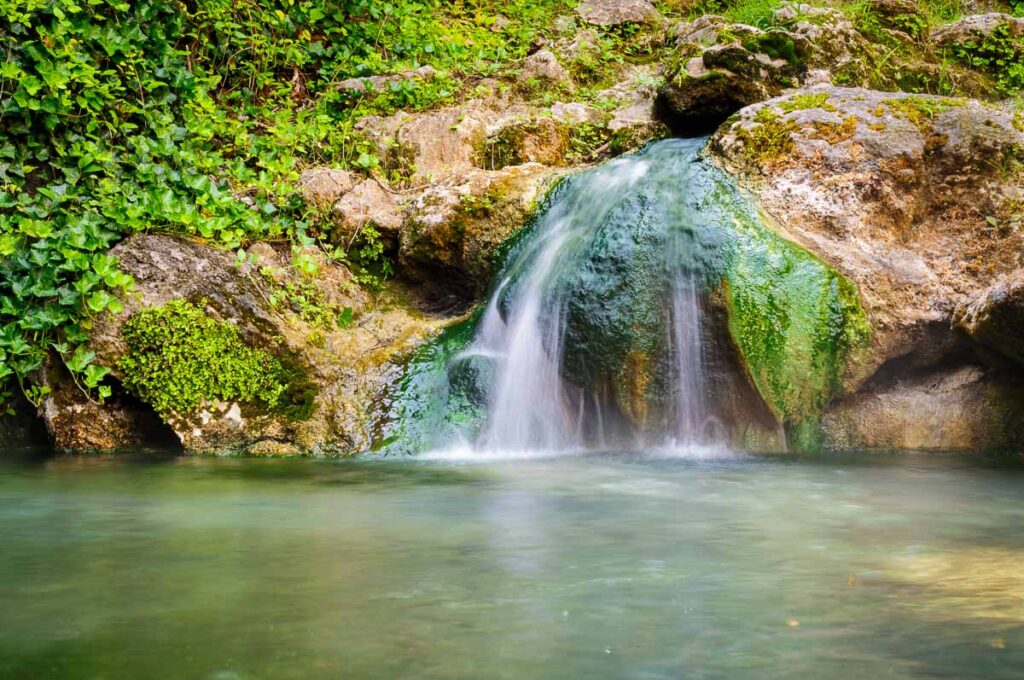
As the park’s name states, Hot Springs National Park is known for its naturally hot mineral springs. Located in the middle of Hot Springs, Arkansas, the water from these 47 hot springs has been attracting bathers since the early 20th century.
On Bathhouse Row, you can still book a session at a functioning bathhouse at Buckstaff or Quapaw, or just tour the old facilities for a time-capsule peek into early 1900s wellness culture.
For a view, drive or hike up to Hot Springs Mountain Tower. Short trails loop through the surrounding hills, and the Grand Promenade behind the bathhouses is a low-effort walk.

3. Indiana Dunes National Park, Indiana
- Recommended time: 3–4 hours
- Gross Area Acres: 16,034.99
Just 45 minutes from Chicago, Indiana Dunes National Park is along 15 miles of Lake Michigan shoreline with forested trails, bird-watching hotspots, and historic homes from the 1933 World’s Fair.
Start at West Beach, where you can climb the Dune Succession Trail, a stair-heavy loop that rewards you with Lake Michigan views. If you’re looking for a flat and chill, check out Cowles Bog Trail or explore the Heron Rookery in spring when it’s full of wildflowers. History nerds will want to see the Century of Progress Homes, futuristic model houses from the 1933 World’s Fair that were relocated here and still look oddly modern.
It’s one of the newest national parks, and with over 50 miles of trails, you can sample a few and still make it back to Chicago for dinner.

4. Pinnacles National Park, California
- Recommended time: 4–6 hours
- Gross Area Acres: 26,685.73
Pinnacles National Park has rock spires, hidden caves, and giant condors gliding overhead. Unlike most national parks, the east and west entrances don’t connect by road, so pick a side and commit. The east side has more infrastructure, so if you’re coming just for a day, start there.
Bear Gulch Cave Trail is the most popular route, as it winds through talus caves and leads to a quiet reservoir tucked in the cliffs. If the wonderful caves are closed (they often are seasonally for bat protection), switch to Balconies Cave Trail on the west side.
The park also has the High Peaks Trail, which is a bit of a climb but gives you views straight out of a fantasy map.

5. Congaree National Park, South Carolina
- Recommended time: 2–4 hours
- Gross Area Acres: 26,692.60
Step into a lush, untouched jungle right in…South Carolina? This place doesn’t get much hype, but you’ll get to walk through the tallest trees east of the Mississippi.
Start with the Boardwalk Loop Trail, an elevated path that winds through cypress swamps, water tupelo trees, and swinging Spanish moss on old-growth forests. The Bluff Trail and Weston Lake Loop offer longer options if you’re up for it, but you can get a full experience just on the boardwalk.
You can rent a canoe or kayak to paddle Cedar Creek, where you’ll glide between trunks in total quiet. If you time your visit right, you might catch the magical display of synchronized fireflies.

6. Cuyahoga Valley National Park, Ohio
- Recommended time: 3–5 hours
- Gross Area Acres: 32,597.08
Sitting between Cleveland and Akron, this is the national park for people who don’t have time to commit to a national park. Cuyahoga Valley is threaded with walking and biking trails, historic canals, and a scenic railroad.
For a perfect half-day, hike the Brandywine Gorge Trail (just under 1.5 miles) and see Brandywine Falls, one of Ohio’s best-known cascades. Rent a bike and ride the Ohio & Erie Canal Towpath Trail, which follows a flat, shaded route along the water. If you’re there on the weekend, check out Szalay’s Farm Market for snacks and seasonal produce.
7. Haleakalā National Park, Hawaii
- Recommended time: 3–5 hours
- Gross Area Acres: 33,970.84
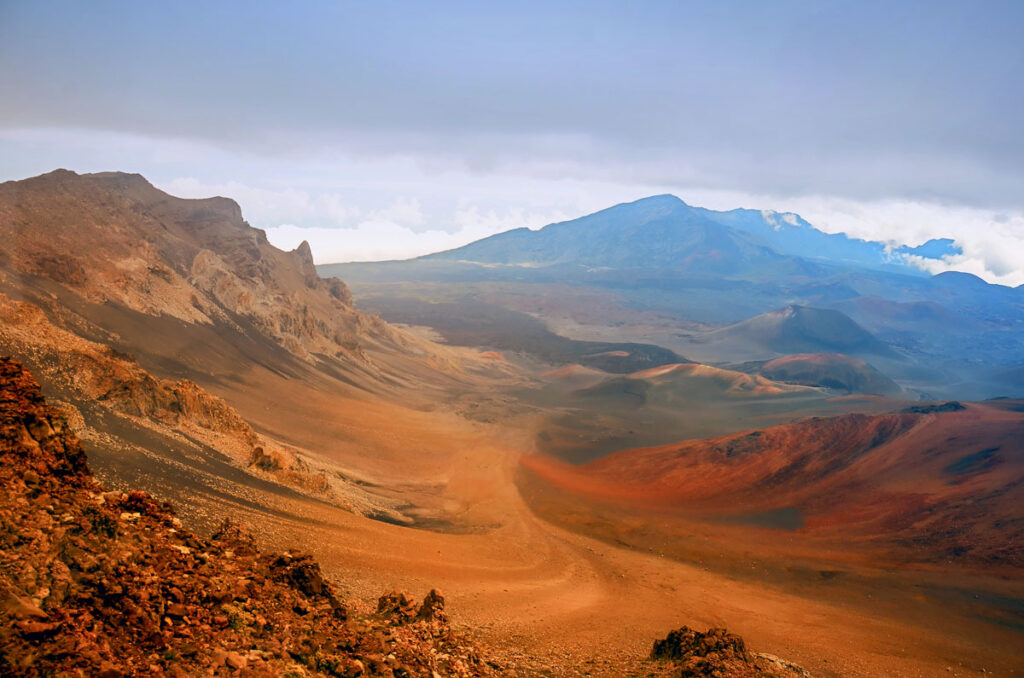
Watching the sunrise from the Haleakalā Crater is a bucket list thing to do in Hawaii. At 10,023 feet, the summit delivers a sky full of color and clouds below your feet.
Later in the day, hike the Sliding Sands Trail into the crater for a moonscape of cinder cones and red rock. On the other side of the park, the Kipahulu District (near Hana) is greener, wetter, and full of waterfalls. Other incredible national park hikes are the ones to ʻOheʻo Gulch or the Pipiwai Trail through the bamboo forest.
8. Wind Cave National Park, South Dakota
- Recommended time: 2–4 hours
- Gross Area Acres: 33,970.84
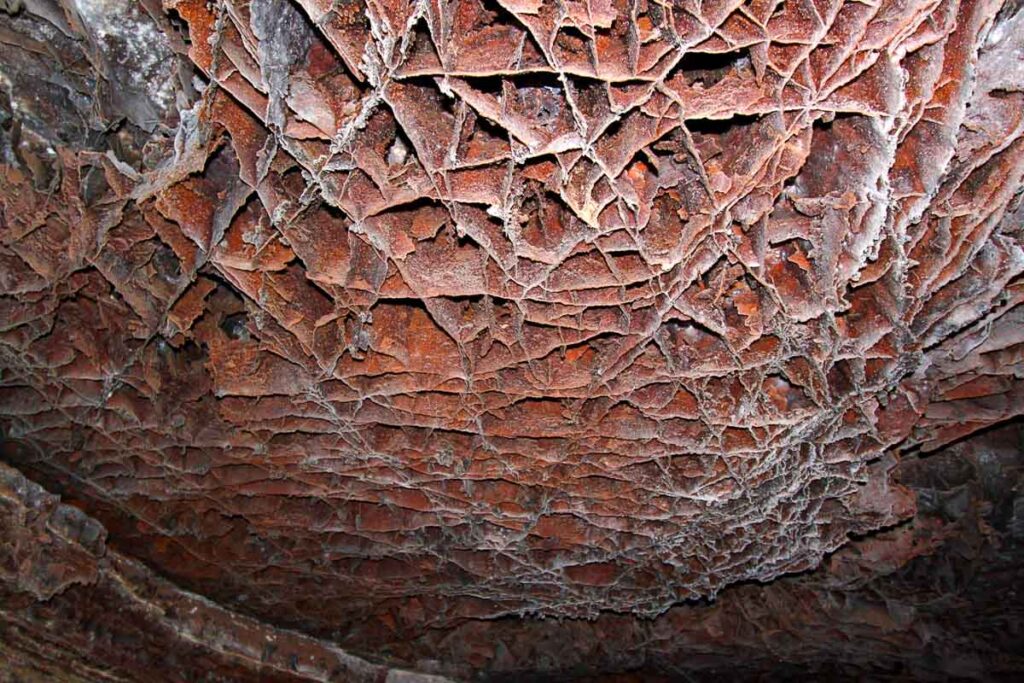
Above ground, Wind Cave is all rolling prairie and grazing bison in South Dakota. Below ground, it’s a limestone labyrinth full of rare boxwork formations you won’t see in other caves.
Book a Ranger-led tour through the cave system, like the Natural Entrance Tour that shows off tight passageways and the original discovery spot. Then head back up and walk the Rankin Ridge Trail, a short loop with panoramic views of the Black Hills.
It’s one of the oldest national parks in the country and the first cave ever designated a park. Even if you’re not usually a cave person, this one is pretty impressive to see.
9. Bryce Canyon National Park, Utah
- Recommended time: 4–6 hours
- Gross Area Acres: 35,835.08
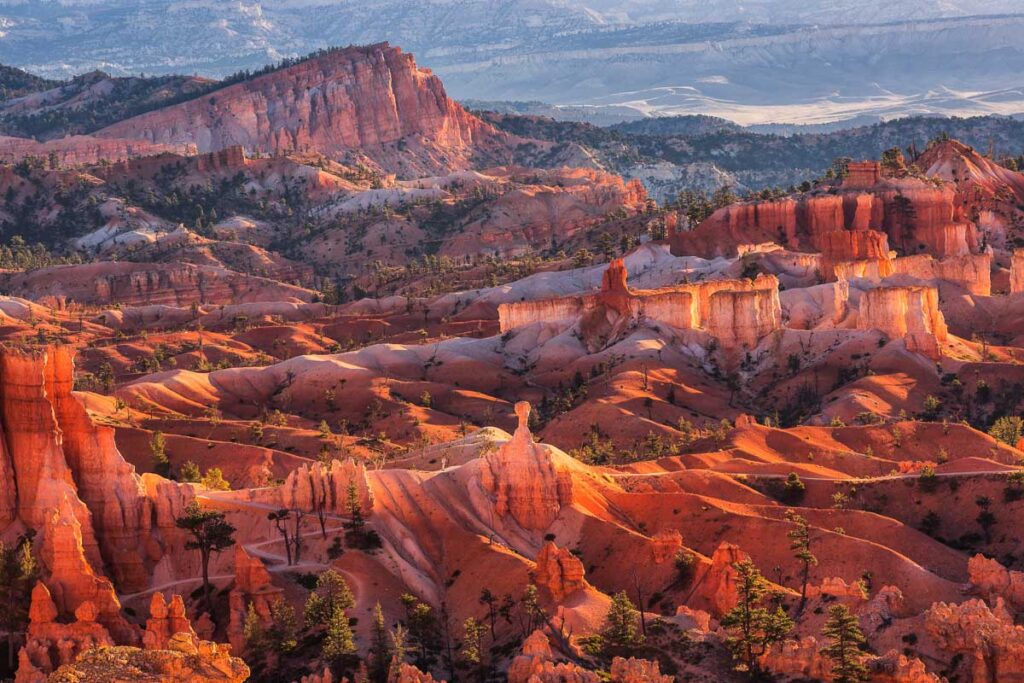
The hoodoos of Bryce Canyon are too perfect, too orange, too many, and they look utterly surreal.
Drive the 18-mile Scenic Drive and stop at Bryce Point, Sunrise Point, and Inspiration Point. If you’re hiking, the Navajo Loop–Queen’s Garden combo drops you into the amphitheater, twists between walls of hoodoos, and comes back up without too much effort.
There’s also Mossy Cave Trail, which is short and outside the fee area, but still photogenic. Bryce Canyon sits at over 8,000 feet, so bundle up as even in summer, mornings here can be chilly.
10. Carlsbad Caverns National Park, New Mexico
- Recommended time: 3–4 hours
- Gross Area Acres: 46,766.45
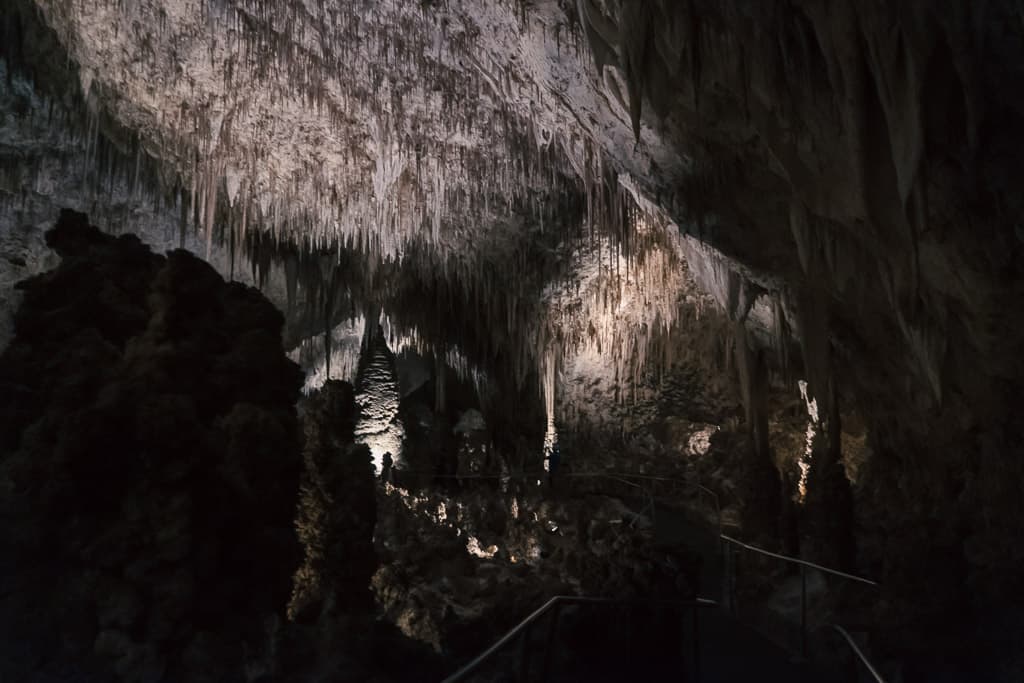
Carlsbad Caverns is home to a massive limestone cave system, and the main chamber is so huge it could fit multiple football fields inside. You’ll descend into darkness via a zig-zagging trail or take the elevator if you’re saving your knees.
The Big Room self-guided loop is the must-do here, and it takes about 90 minutes to walk. You can take the Natural Entrance Trail (a steep 1.25-mile downhill hike into the abyss) or just grab the elevator from the visitor center and go straight down.
Inside, the formations of stalactites, columns, drapes, and pools dangle with names like Hall of the Giants and The Chandelier Ballroom. During summer evenings, people crowd the entrance for the bat flight, where thousands of bats spiral out at sunset for their nightly insect buffet.

11. Acadia National Park, Maine
- Recommended time: 4–6 hours
- Gross Area Acres: 49,076.65
As the only national park in the Northeast, Acadia National Park is a must-visit getaway for those living on the East Coast.
Start a trip to Acadia by watching the sun rise from the top of Cadillac Mountain, which (from October to March) gets the first light in the country. Then drive the Park Loop Road and stop at Thunder Hole, Otter Cliffs, and Jordan Pond.
If you’re hiking, go for the Ocean Path Trail (easy and scenic) or the Beehive Trail (short and steep with iron rungs). In fall, the leaves make this an incredible fall destination.
12. Mesa Verde National Park, Colorado
- Recommended time: 4–6 hours
- Gross Area Acres: 52,485.17
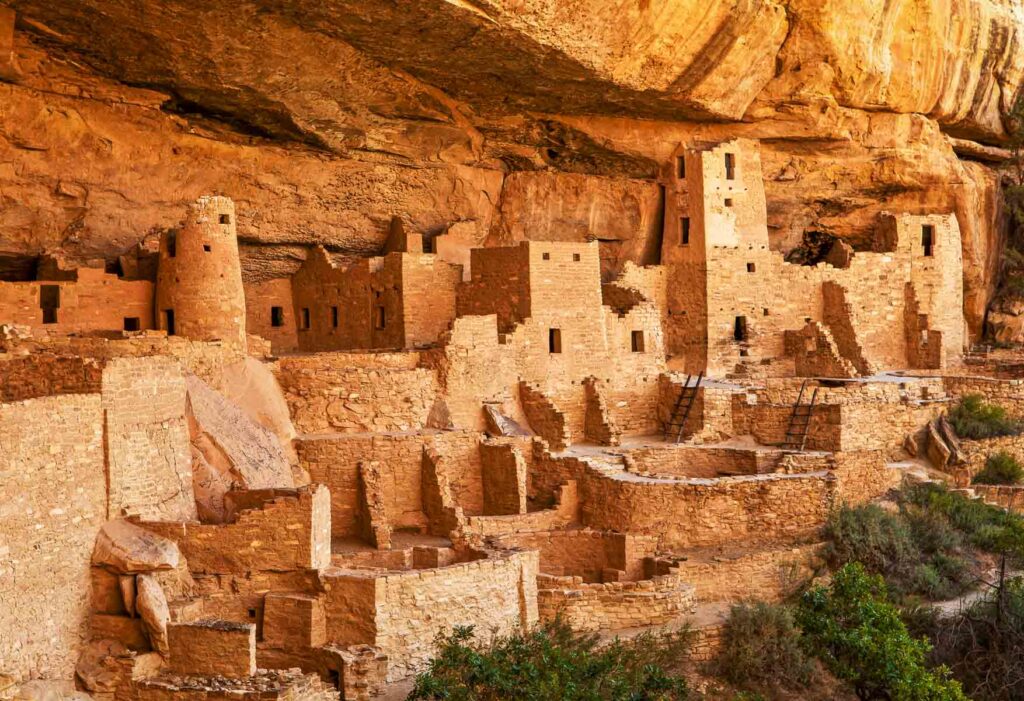
This historic park is more about the people who lived here centuries ago. The Cliff Palace Tour will have you climbing ladders and ducking through stone passages to explore ancient dwellings built into sandstone alcoves. Book it ahead, especially in summer.
Drive the Mesa Top Loop to hit viewpoints like Sun Point Overlook, and walk short trails to pit houses and kivas that date back over 1,000 years. The Spruce Tree House Overlook is another great stop in Mesa Verde, even if the dwelling itself is closed for preservation.

Catherine, a seasoned travel writer, has lived in 4 different states and explored 36 states and 28 national parks. After spending two years embracing van life, she's now dedicated to sharing her vast knowledge of day trips across America. Catherine's other works has been referenced in major publications like MSN, Self, and TripSavvy.
| MY FAVORITE TRAVEL RESOURCES |
✈️ Find amazing guided tours and experiences with Viator to maximize your time! 🏘️ Plan ahead and secure your accommodation with Booking.com in advance. 🧾 Rent a car with Discovercars in advance and get the best prices for your day trip adventures. |