
19 Things to Do in the Pacific Northwest Locals Don’t Want You to Ruin


The Pacific Northwest has a way of turning casual visitors into lifelong fans. As more people discover its rain-soaked trails, misty coastlines, and effortlessly cool cities, the pressure on its most beloved spots keeps growing. Stretching from Northern California through Oregon, Washington, and up into parts of Idaho and British Columbia, this part of the country has a reputation for moody weather packed with things to do year-round.
Locals have watched once-quiet trails turn into Instagram hotspots and small towns swell with weekend crowds. If you’re heading to the region and want to do it right, here are 20 things to do in the Pacific Northwest worth seeking out.
1. See Some of the Best National Parks
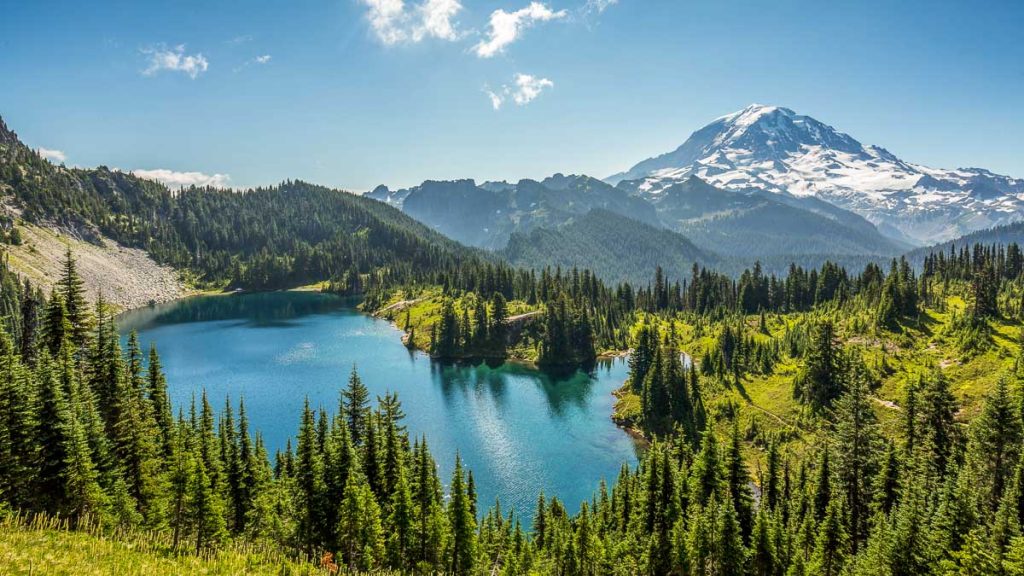
The national parks in the PNW are loaded with extremes. One moment, you may be wandering through prehistoric rainforests, the next hiking past a glacier, and then to a lake formed by a volcano.
The Olympics gives you beaches, mountains, and moss in one day. Mount Rainier is a glacier-covered beautiful mountain with meadows that explode with wildflowers each summer. Crater Lake has impossibly blue water filling the remains of a collapsed volcano. North Cascades is the most underrated, with jagged peaks, alpine lakes, and barely any crowds. Redwood National and State Parks straddle the Oregon border and are full of trees taller than your average office building.
All PNW’s National Parks:
- Olympic National Park
- Mount Rainier National Park
- Crater Lake National Park
- North Cascades National Park
- Redwood National and State Parks
2. Frolic Around Incredible Seastack Beaches

You haven’t been to the Pacific Northwest until your shoes are full of sand and sea mist. These beaches have rocks taller than buildings, tide pools full of alien-like creatures, and fog that erases the horizon.
Cannon Beach is the most famous spot in Oregon, thanks to Haystack Rock. Otherwise, Ruby and Rialto Beach are both impressive beaches within Olympic National Park.
3. Wander Through Moss-Covered Rainforests
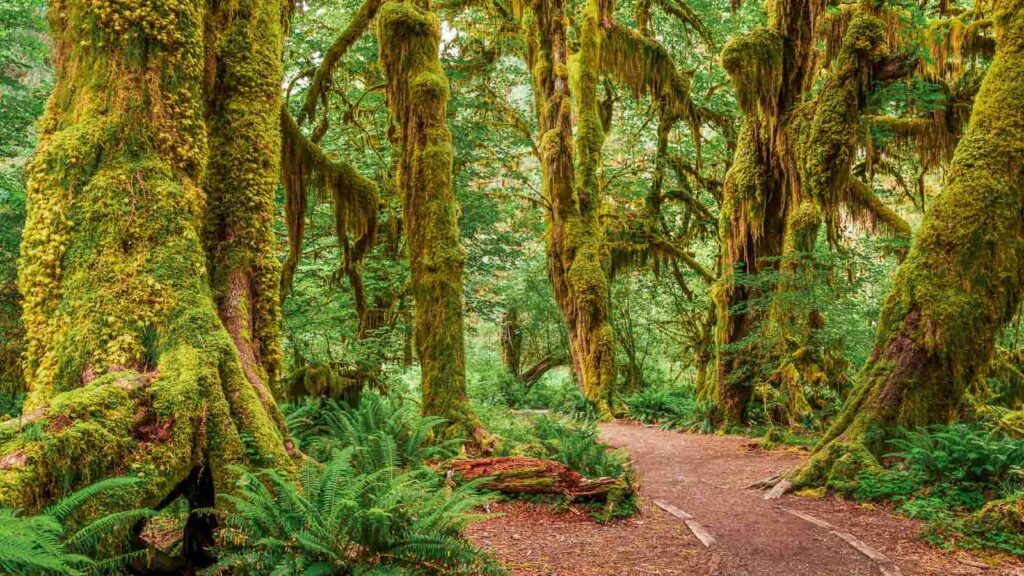
There are places in the Pacific Northwest where the trees drip with moss, as if you were in Jurassic Park. It rains a lot, so every step is soft, damp, and green.
The Hoh Rainforest in Olympic National Park is the best-known, with the most famous trail being the Hall of Mosses. Quinault Rainforest is quieter, full of towering Douglas firs and big-leaf maples that block out the sun even in midsummer.
4. Hit the Region’s Best Waterfalls

Nobody comes to the Pacific Northwest to stay dry, and with all the rain this region gets, of course, it has incredible waterfalls. Some are easy stops along a scenic drive, while others require a bit of hiking commitment. Spring is best for volume, but even in late summer, they hold up.
Multnomah Falls is by far the most visited and arguably the most photogenic waterfall, with a tall two-tiered drop and a stone bridge. Snoqualmie Falls is loud and powerful, crashing down 268 feet just a short walk from a parking lot. Palouse Falls drops unexpectedly through desert canyon walls in southeastern Washington.
These are the the most grand, but there are so many more, especially along the Columbia River Gorge Scenic Byway.
5. Explore PNW Classically Weird Cities & Towns
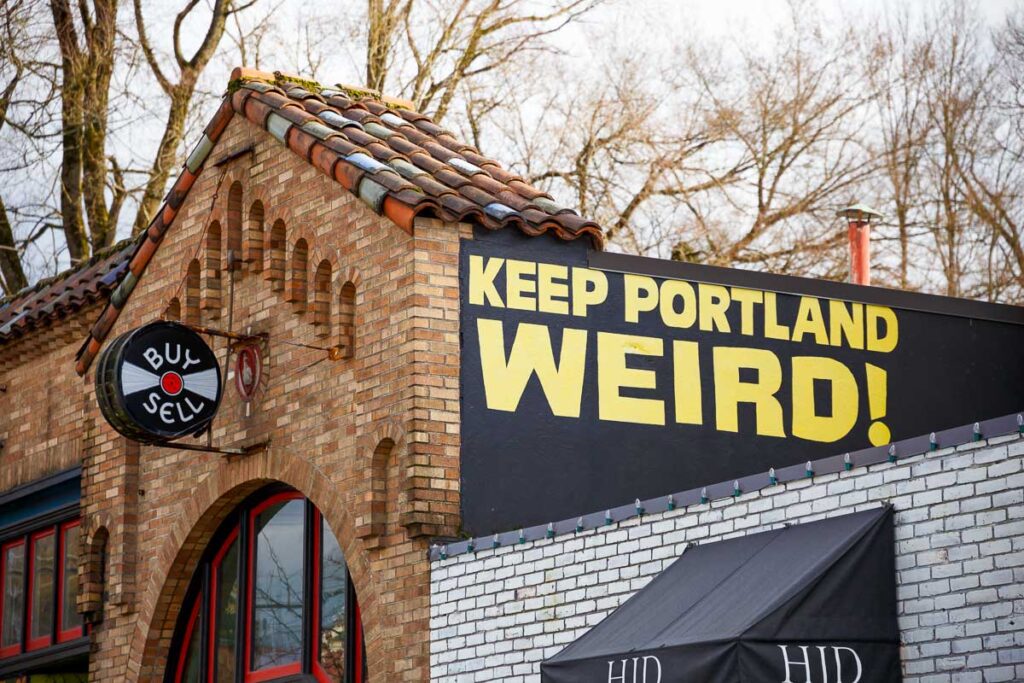
Cities like to be categorized as weird here. People bike in all weather and local art shows up everywhere from alley murals to handmade neon signs. Food and beer are big deals here, and don’t expect chain stores in any downtown.
Each place feels like its own little bubble, and the locals are very into whatever that bubble happens to be.
Highlighted Places:
6. Drive Iconic Scenic Highways
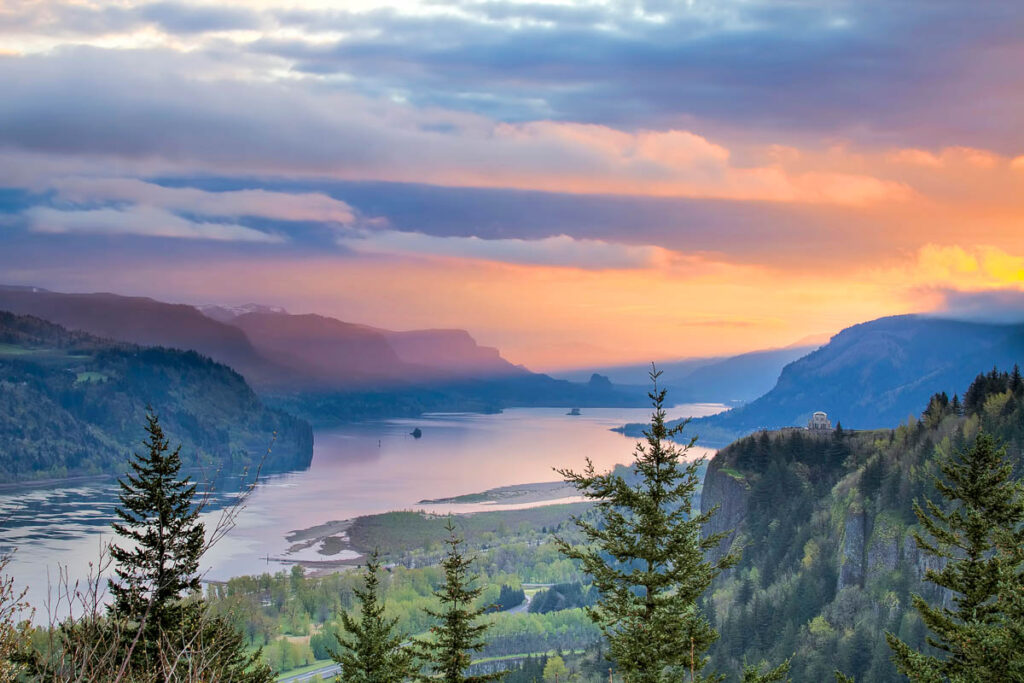
Some of the best views in the Pacific Northwest happen from the driver’s seat. These routes are some of the best road trips in the country where you build an entire trip around.
Pull-offs often double as trailheads or photo ops, and gas stations can be few and far between. Summer is busy, and Fall is prime time for golden leaves and lighter traffic.
Highlighted Places:
- Pacific Coast Highway
- Cascade Loop in Washington
- Columbia River Gorge Scenic Byway
7. Soak in Natural Hot Springs
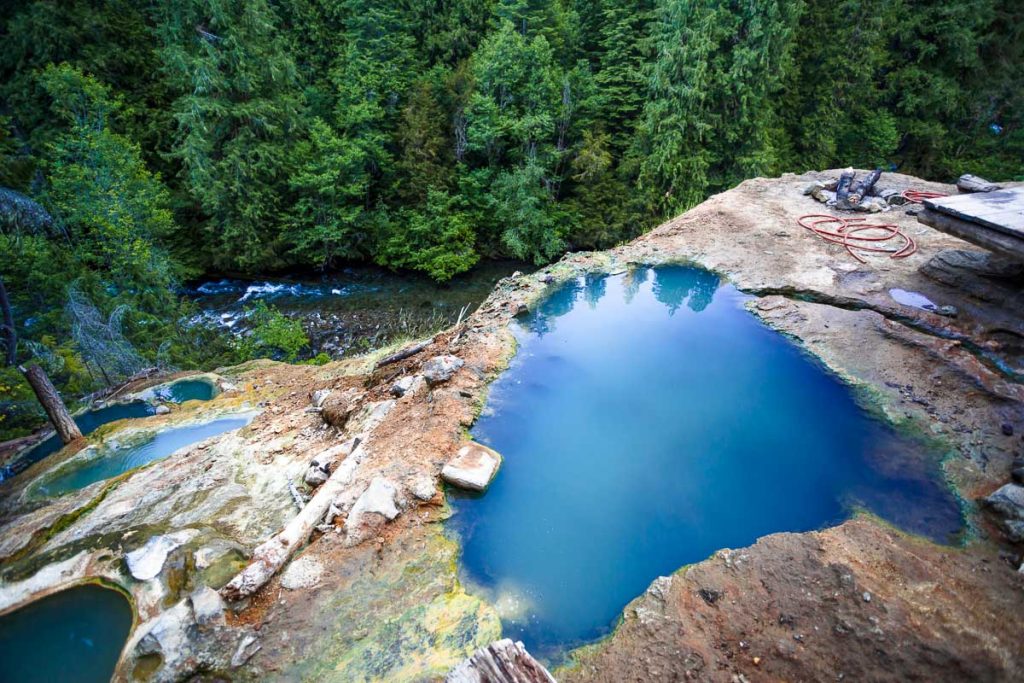
Most people don’t associate hot springs with this region, but they’re tucked all over the backcountry and sometimes just off the trail. Some are wild and undeveloped, while others come with maintained pools and a fee station.
Many of them are clothing-optional, so assume someone will take that option.
Highlighted Places:
- Umpqua Hot Springs (amazing tiered pool option!)
- Goldbug Hot Springs
- Sol Duc Hot Springs (located inside Olympic National Park)
- Bagby Hot Springs
8. Jump into the Bluest Lakes
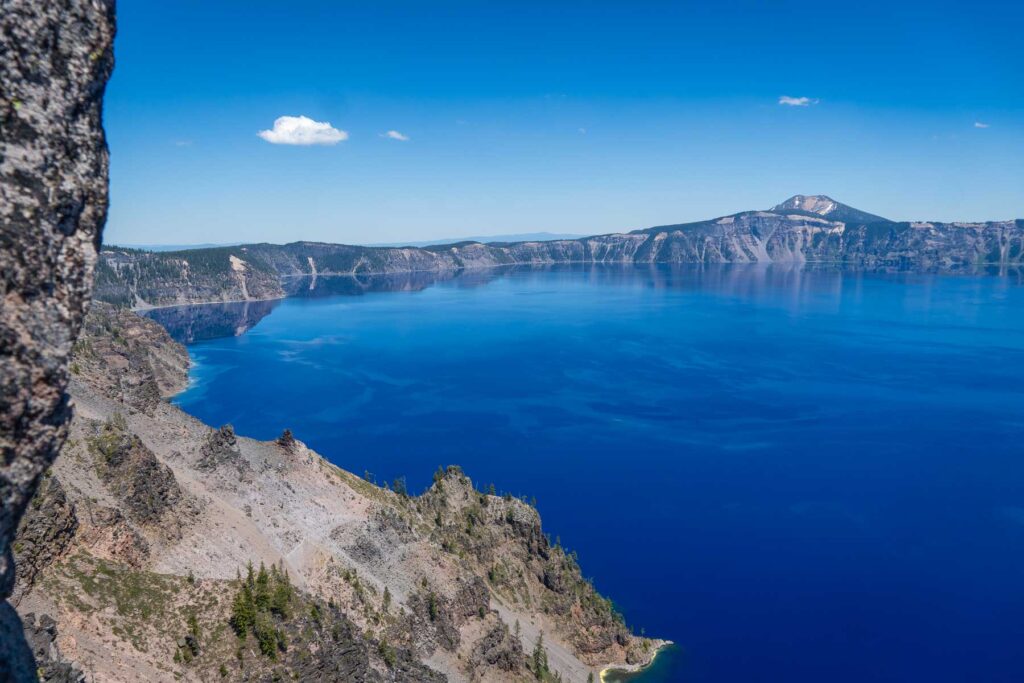
On clear days, the lakes in this region gleam and reflect entire mountains. Most of them are fed by snowmelt or glacial runoff, which means cold water and those wild turquoise shades. You might still jump in, but it will be freezing all year round.
Highlighted Places:
- Crater Lake
- Diablo Lake (inside North Cascades National Park)
- Lake Chelan (only reachable by boat or long hike)
- Wallowa Lake
- Jade Lake (requires a tough alpine hike)
9. Chase Wildflower Blooms

Whole meadows turn hillside slopes purple and orange, and even roadside ditches become colorful. Timing is everything, and it changes with elevation. What’s blooming at sea level in March might not appear in the mountains until August.
Skagit Valley is famous for its miles-long spring tulip and daffodil fields, while Mount Rainier bursts into full bloom in late July.
Highlighted Places:
- Mount Rainier
- Mount Hood Meadows
- Skagit Valley (spring tulips)
- Columbia River Gorge
- Sequim (summer lavender fields)
10. Visit Iconic Volcanoes
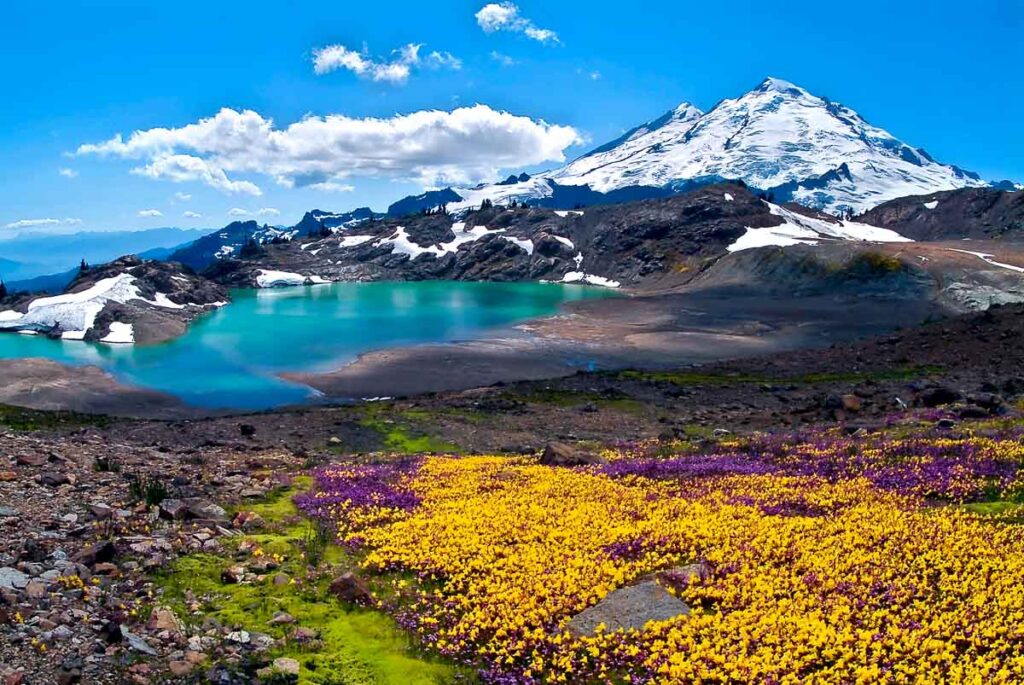
Many volcanoes in this region are still active. However, most days, you’d never know that unless you’re standing on the rim of a caldera. Many of these beautiful mountains are now tourist destinations, with trails, snowfields, and science stations.
Permits may be required for summit routes, and some areas remain off-limits due to geological activity.
Highlighted Places:
- Mount St. Helens (last erupted in 1980)
- Mount Hood (has skiing nearly year-round)
- Mount Rainier (can summit with a permit in a short climbing window)
- Three Sisters
- Mount Baker
11. Go Whale Watching
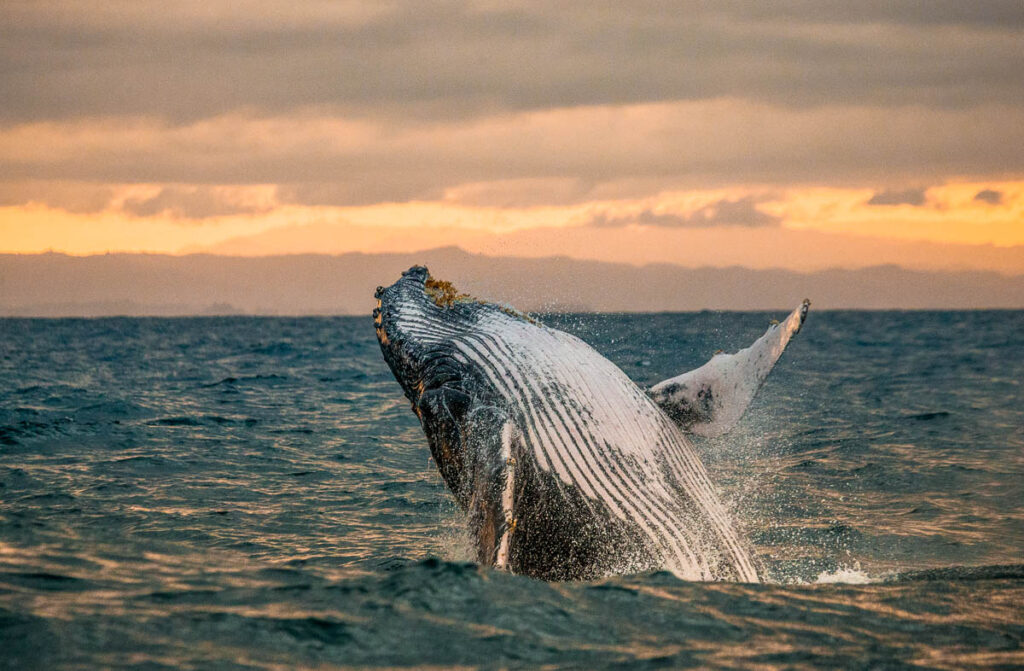
Whale watching may be a once-in-a-lifetime animal encounter for you, but here, it’s a regular part of coastal life every year. Orcas, gray whales, and humpbacks all pass through these waters, and certain spots consistently deliver sightings.
You can take a boat tour, but shore-based viewing is just as rewarding. Peak seasons vary by species, so do a little research before booking.
Highlighted Places:
- The San Juan Islands are one of the best places in the world to see orcas, especially from May to September.
- Depoe Bay is Oregon’s whale-watching capital, with a high concentration of gray whales visible nearly year-round.
12. Hike Through Lava Fields and Caves

Volcanoes have left behind craters and a weird, rugged underworld across this American corner. Lava tubes, jagged flows, and collapsed craters make for hikes that look nothing like the typical forest trails.
Some areas close seasonally or require permits, so check ahead.
Highlighted Places:
- Ape Cave (one of the longest lava tubes in the U.S)
- Lava River Cave
- Newberry Crater
- McKenzie Pass
13. Take a Ferry Ride

Ferries are a part of many locals’ daily commute. For tourists, you can spot whales and watch skylines rise and fall as the boat pulls away.
Some ferries are quick rides to get you where cars can’t go. Around Seattle, I took some just for fun. You can even take the ferry around the San Juan Islands and even into Canada.
Schedules change seasonally, and lines can get long, so plan around off-peak times when possible.
14. Try Local Wine & Cider
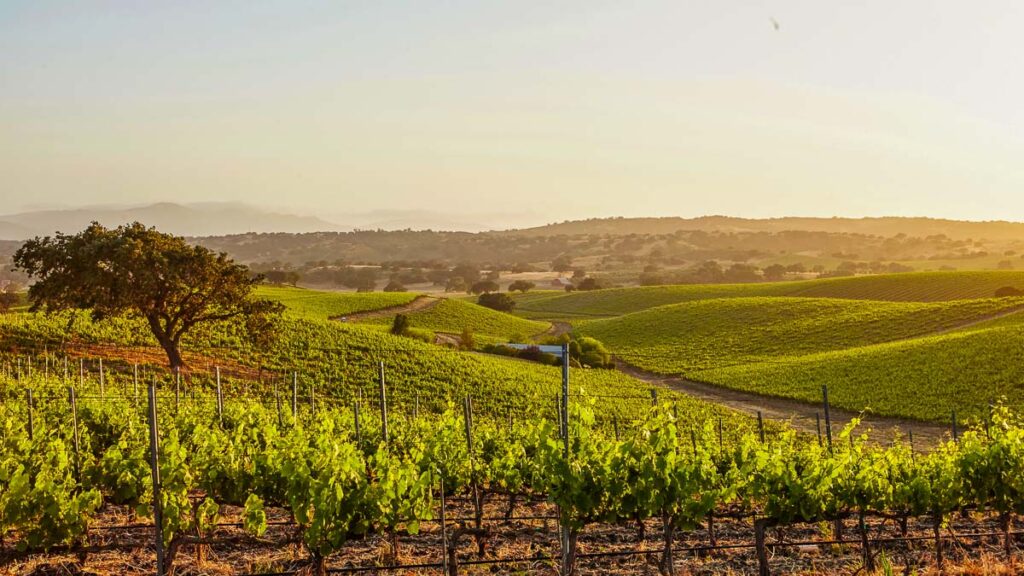
This region takes its drinking seriously. Wineries and cider houses are often set on hillsides or tucked into valleys with views that compete with what’s in the glass. Tasting rooms can be casual or fancy.
Fall is harvest time and the busiest season, but spring and early summer are often just as good with fewer people. Many spots are family-run, and you’ll often meet the winemakers themselves.
Highlighted Places:
- Willamette Valley
- Walla Walla
- Yakima Valley
- Snake River Valley
15. Take a Lighthouse Tour

Lighthouses in the PNW are weather-beaten and usually perched on cliffs you didn’t expect to climb. They still operate in some places, while others have become museums or overnight rentals.
The best ones give you both coastal views towards the fog and crashing waves on the horizon. Heceta Head is one of the most photographed lighthouses in the country, while Cape Disappointment, North Head, and Yaquina Head are some of the other most famous ones.
16. Go Skiing or Snowboarding

Snow sports here don’t always get national hype, but locals know you’ll get powder and tree runs with some of the longest seasons in the country.
Spring skiing lasts longer here than in most places, with Mount Hood even open through Labor Day. This region also has great ski areas such as Mount Baker, Crystal Mountain, and Mount Bachelor.
17. Explore the High Desert

The high desert is also this region’s best-kept secret. Tourists often miss the east as it turns into a desert with long drives between tourist stops, but they would be missing out.
Smith Rock State Park is the birthplace of US sport climbing and home to dramatic spires and the Crooked River. Owyhee Canyonlands stretch across the open plains of Oregon and Idaho and feature massive canyons. The John Day Fossil Beds are America’s Rainbow Mountains, with colorful rock formations and layers of prehistoric remains scattered across the hills.
18. Visit Gorge-ous River Landscapes
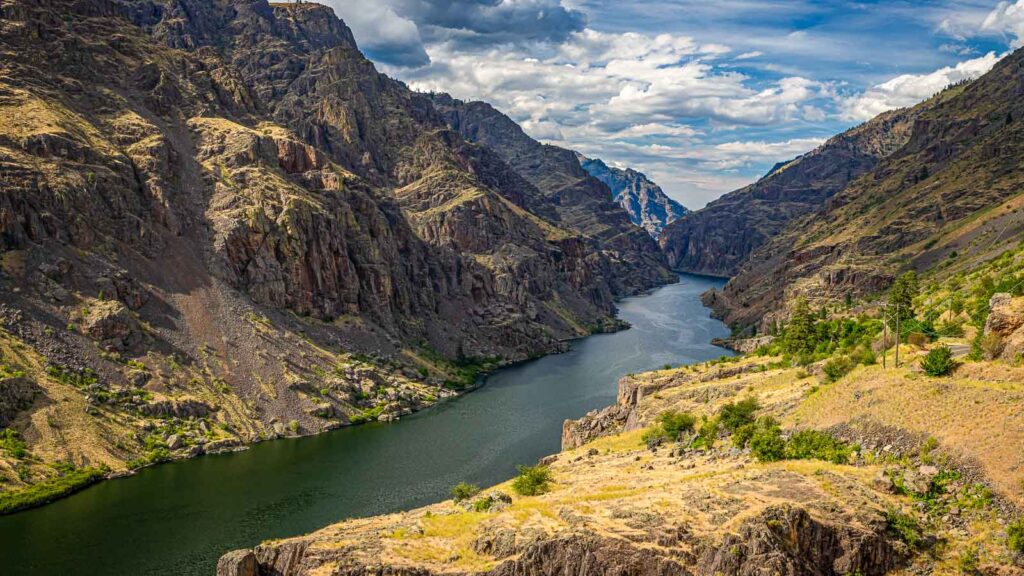
If there’s one thing this region doesn’t lack, it’s rivers cutting through absurdly photogenic canyons. From high desert to rainforest, these waterways run wild. Spring runoff makes for wild rapids, while late summer brings calmer flows.
Highlighted Places:
- Columbia River Gorge (some of the best hikes in Oregon and Washington)
- Snake River Canyon
- Deschutes River
- Spokane River
19. Watch Salmon Run Upstream
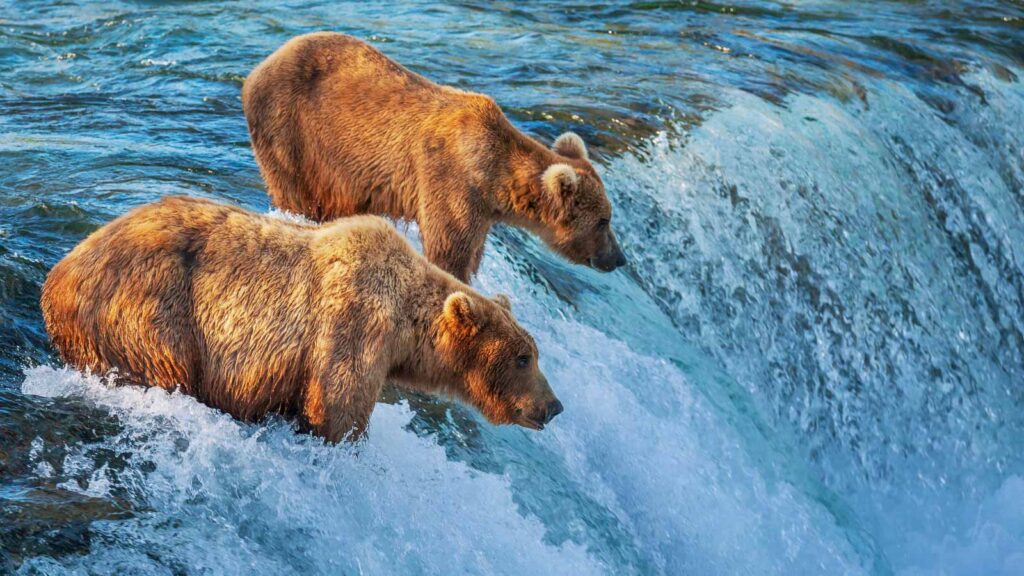
It’s mind-blowing to watch the tenacity of a fish hurl itself up a waterfall to spawn. The salmon run is one of the most iconic seasonal events in the Pacific Northwest.
Timing varies by river and species, but September and October are generally safe bets. You’ll find designated viewing platforms and often volunteers who can explain what you’re seeing.
Catherine, a seasoned travel writer, has lived in 4 different states and explored 36 states and 28 national parks. After spending two years embracing van life, she's now dedicated to sharing her vast knowledge of day trips across America. Catherine's other works has been referenced in major publications like MSN, Self, and TripSavvy.
| MY FAVORITE TRAVEL RESOURCES |
✈️ Find amazing guided tours and experiences with Viator to maximize your time! 🏘️ Plan ahead and secure your accommodation with Booking.com in advance. 🧾 Rent a car with Discovercars in advance and get the best prices for your day trip adventures. |