
22 Cold Places to Visit in Summer in the US When You’re So Over the Heat


Most people head to the beach, but the best cold places to visit in summer in the US offer an alternative for those who crave cool air and adventure.
Not everyone wants a beach vacation when it’s pushing 100 degrees. Sometimes, you just want to put on a light jacket and breathe air that doesn’t feel like steam.
When summer hits full blast, I always head north. During my van life years across 38 states, I plotted my summers around elevation, ocean breezes, and any place I didn’t need to sleep with a fan pointed directly at my face. Too many mornings waking up in a pool of sweat inside my van and worrying my solar panels might actually melt in the Arizona heat will make you hatch an escape plan.
If you’re over the heat, these 22 cold places to visit in summer in the US will offer some relief without the need for an AC.
Mountain Escapes
1. Taos, New Mexico
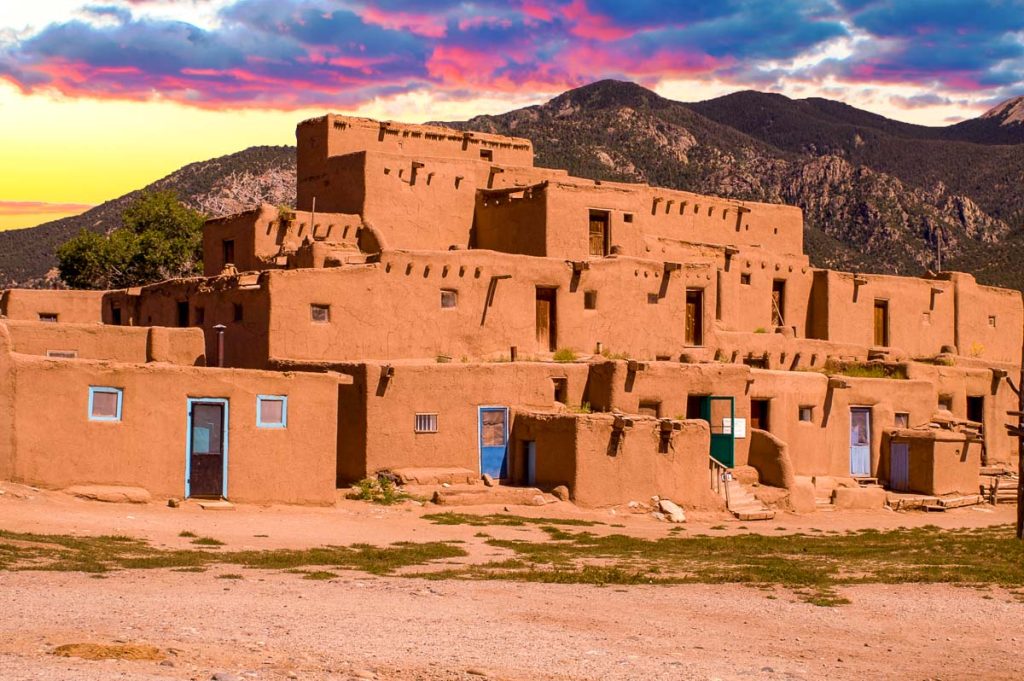
- Summer Weather Report: Expect dry air and an escape from the New Mexico desert blaze, with daytime temps around 80°F and nights that dip into the 50s.
Taos is an artsy enclave at over 7,000 feet in elevation, chock-full of adobe culture and ancient pueblo history. Wake early to see the sun hit Taos Pueblo, a centuries-old home that still houses Native residents today.
By afternoon, drift along the Rio Grande Gorge in a kayak or walk the rim of the deep canyon. The surrounding peaks of the Sangre de Cristo Mountains stay mild enough for climbing or mountain biking all summer.
2. Crested Butte, Colorado
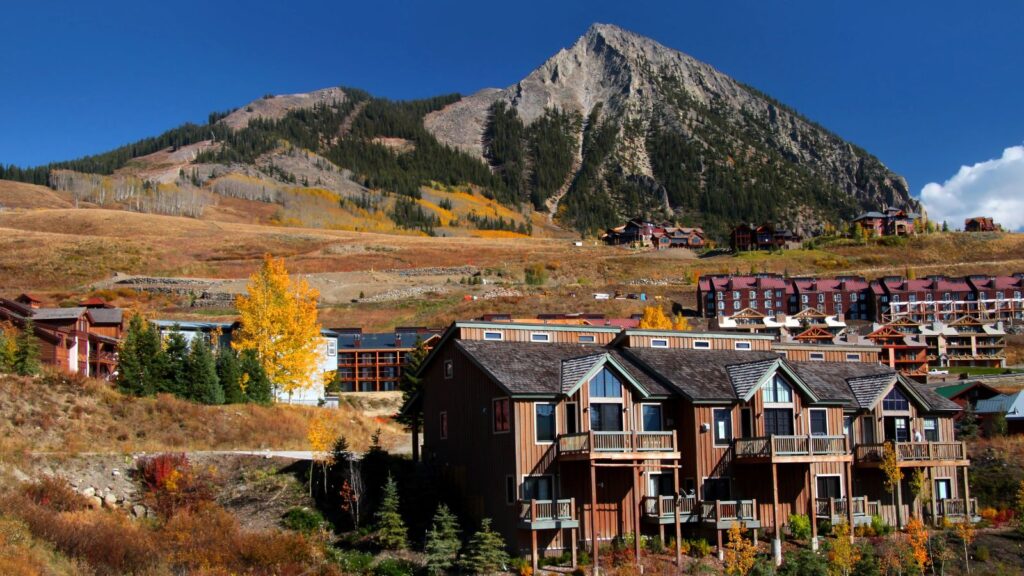
- Summer Weather Report: Highs hang around 72°F most days, with cool 40s at night.
A high-altitude gem known as the “Wildflower Capital of Colorado,” Crested Butte has tens of thousands of blooms in summer, carpeting its meadows by July. Trailheads like Snodgrass and Whetstone open up for hikers, and mountain bikers can find alpine views without the summer scorch of lower elevations. Head higher on the West Maroon Pass trek, where the peak trails shed snow late and stay fresh into August.
You’ll find historic buildings in town decorated with colorful wooden storefronts painted in the 1880s silver boom era.
3. Mammoth Lakes, California
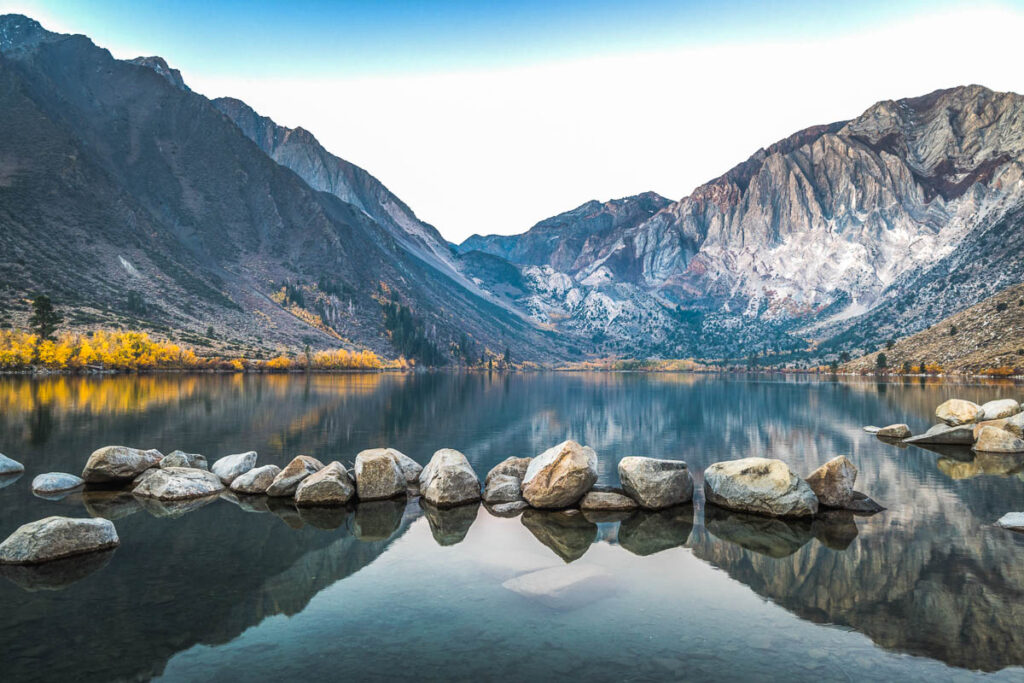
- Summer Weather Report: High-country mornings feel like fall, but the afternoon sun is perfect for exploring. July temperatures are in the low 70s by day and in the 40s after sunset.
Mammoth Lakes isn’t just for incredible skiing powder; it’s built on ridge lines and waterfalls in a geothermal area of the country. You can marvel at the basalt columns of the Devil’s Postpile National Monument and cool off in Rainbow Falls.
Ride the gondola to the summit of Mammoth Mountain, then follow alpine paths for views of Convict, Twin, and Lake Mary. Mountain bikers flock to the downhill park, while others prefer a soak in natural hot springs under star-filled skies.
4. Sun Valley, Idaho
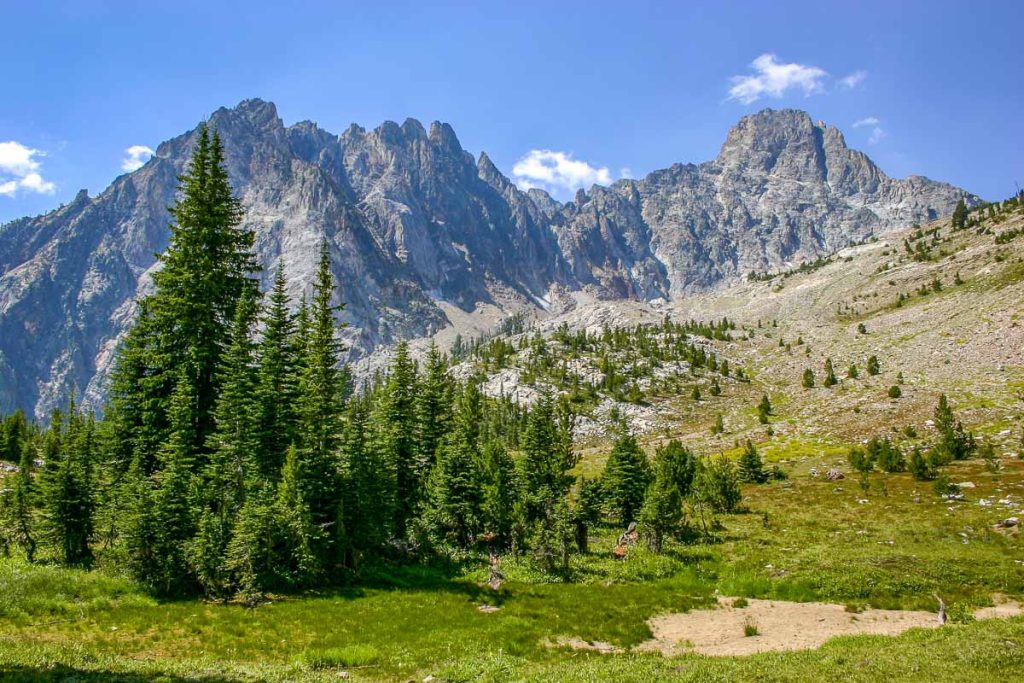
- Summer Weather Report: Hovering in the mid-70s, the sun stays out until late for long summer evenings.
Sun Valley was the first destination ski resort in America, but the summers here are short and sweet. Set out on the Tramway Trail, then ski lift up Bald Mountain for views of wildflower meadows. Trails like Bald Mountain draw riders chasing single-track thrills. Cooler air at 5,900 feet means poolside evenings by Moseley Springs feel refreshing.
5. Flagstaff, Arizona
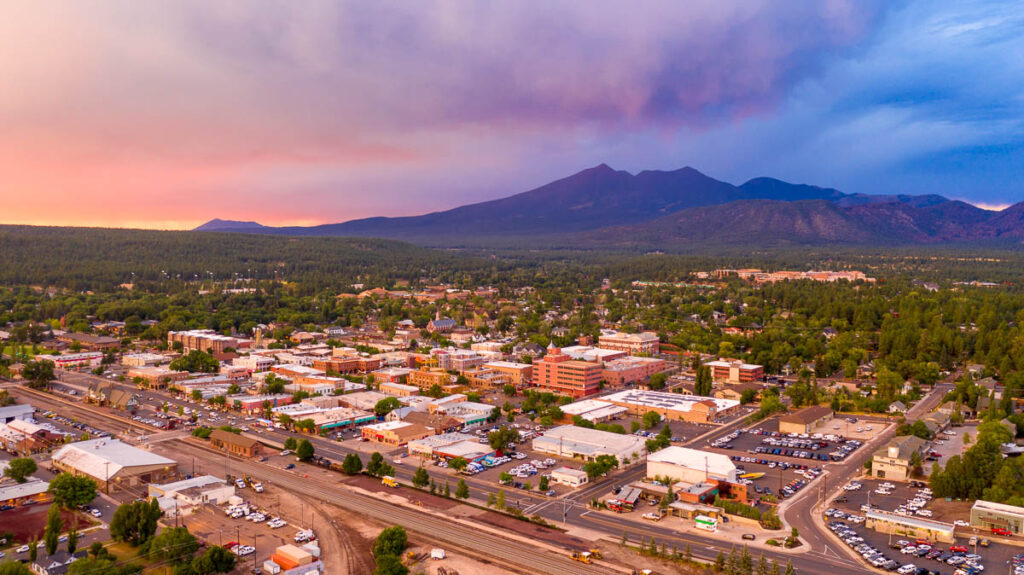
- Summer Weather Report: Pine forests keep things temperate, barely cracking 80°F here, while the rest of Arizona roasts in triple digits.
At over 7,000 feet, Flagstaff’s steep old-growth forests and volcanic buttes define Arizona’s mild summer escape. You can hike within the Coconino National Forest, exploring pine-studded trails or venturing up to Humphreys Peak, Arizona’s highest point. The nearby Sunset Crater Volcano National Monument has old lava flows among craggy cinder cones.
The national park may be busy, but the train rides aboard the Grand Canyon Railway start in Flagstaff each summer. Time your visit for the Fourth of July fireworks return ride. It’s the only Arizona town that feels alpine when the heat waves grip the rest of the Southwest.
6. Rocky Mountain National Park, Colorado
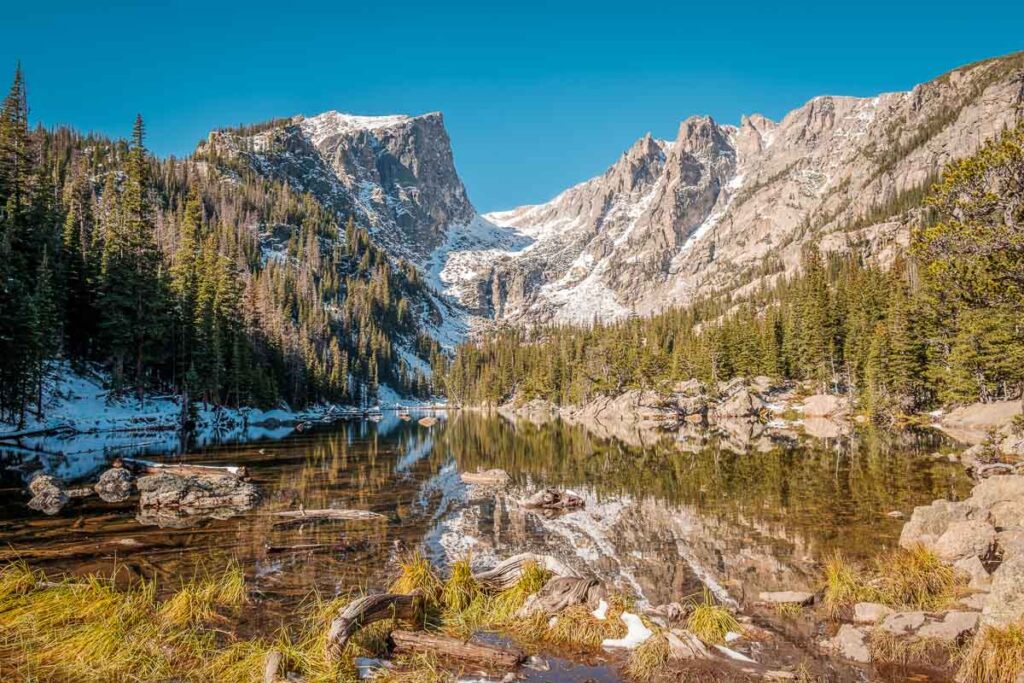
- Summer Weather Report: Trailheads start in the high 60s, and summit temps stay chilly.
Open only in the summer, drive above the Trail Ridge Road tree lines, the highest paved road in North America. You’ll want to hike Colorado spots like Alpine Ridge and Emerald Lake. Elk stroll through Moraine Park early in the morning before the sun climbs high. Sunset over the Rockies is visible from tops like Chasm Lake.
7. Sawtooth National Forest, Idaho
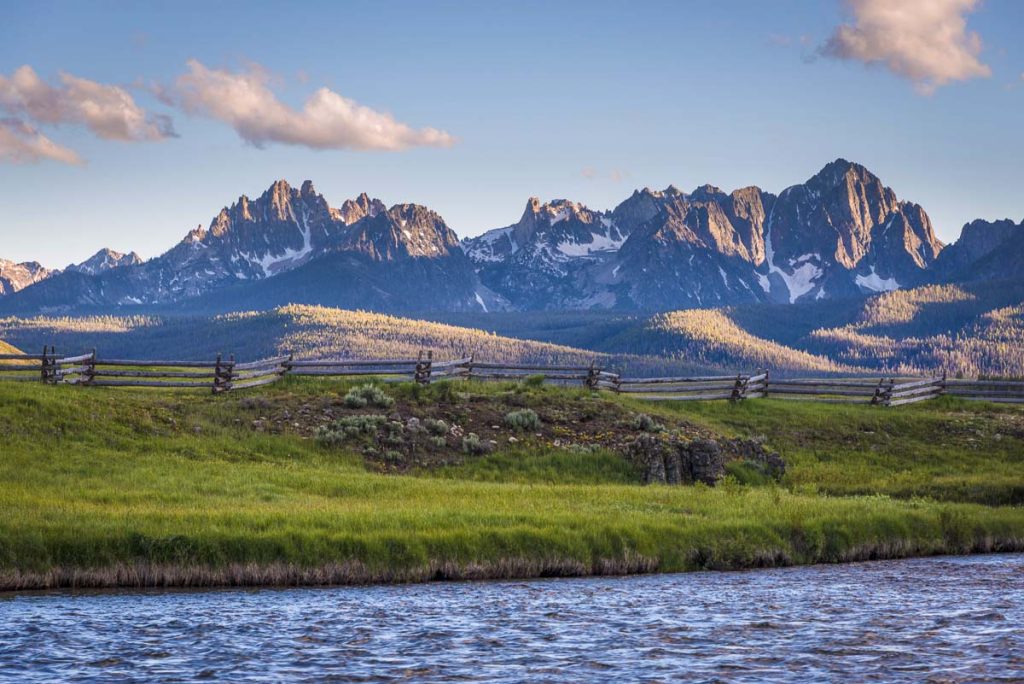
- Summer Weather Report: Days tap out in the 70s, nights hit the 30s, and you’ll probably see frost on your tent by sunrise.
Sawtooth’s silhouette is a solid wall of peaks and crystalline lakes visible from highways like Sawtooth Scenic Byway. Hikes to Alice and Blue Lakes to swim in snow-chilled water in green-blue basins. Redfish Lake becomes a perfect paddle spot after a hike, maybe with a charter to explore The Headwall cliffs overhead.
This beautiful Idaho destination only works in summer, as half the roads are buried in winter, but the high peaks are vacation-ready once July rolls around.
8. Mount Washington, New Hampshire

- Summer Weather Report: Even in July, it can swing from sunny 60s to biting wind at the summit.
Mount Washington earns its title, “Home of the World’s Worst Weather,” with a history of wind speeds that once topped 231 miles per hour, a world record that stood for decades. In summer, this dangerous mountain attraction dials things back just enough to be visitable without being terrifying.
At 6,288 feet, it’s the highest peak in the Northeast, and you can summit it by hiking, taking the Mount Washington Auto Road, or hopping the Cog Railway. Snow can stick around the summit even in July, and visibility changes by the minute. On a clear day, you can see all the way to Canada.
9. Green Mountains, Vermont
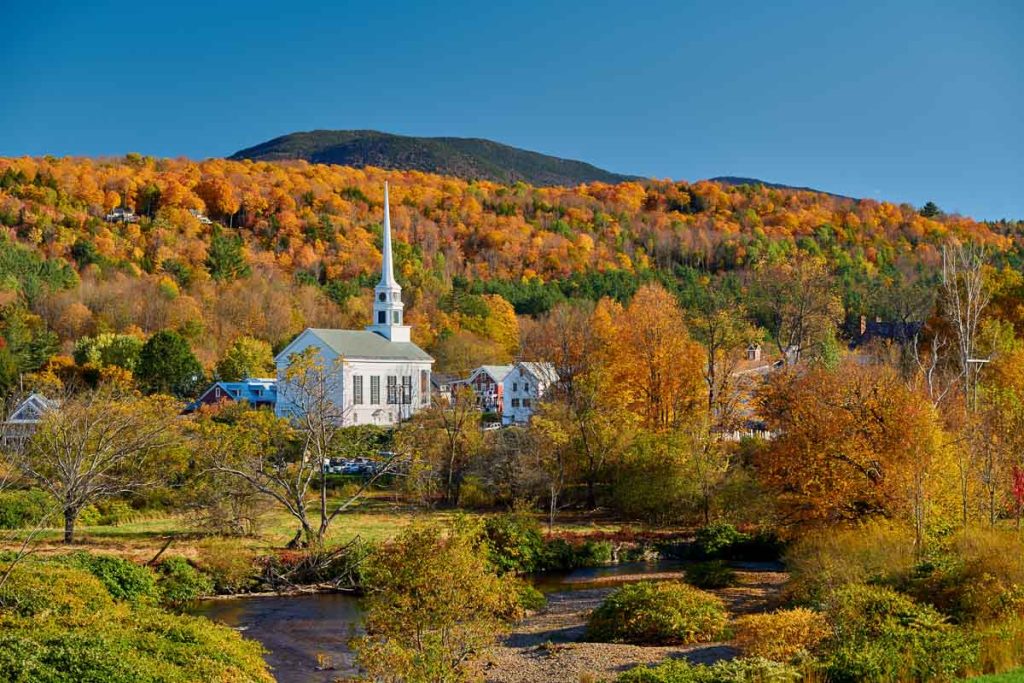
• Summer Weather Report: Expect lush 75°F afternoons and breezy, bug-free evenings that hover in the low 50s.
Vermont’s Green Mountains ridgelines run like a spine up the state, and the farther you go, the quieter and cooler it gets. Start near Stowe or Waitsfield to find endless trails into high-elevation woods. Short hikes like Camel’s Hump, Mount Abraham, or Stowe Pinnacle give you the achievement of a peak without a full-day commitment.
Covered bridges dot the valleys, and back roads lead to swimming holes. Vermont keeps its cool better than almost anywhere in the East, and the dry mountain air is a full escape from muggy summer lowlands.
10. Adirondack Mountains, New York

- Summer Weather Report: Upper 70s during the day and a cool-down to the low 50s by night.
The Adirondacks are one of the few places on the East Coast where you can go fully off the grid in summer without melting. This massive region has over 6 million acres of protected land, 3,000 lakes, and 46 high peaks to explore.
Hike up Cascade Mountain or paddle out on Blue Mountain Lake. Lake Placid makes a solid base with real amenities. Cyclists love the Ironman route, kayakers drift the Saranac Chain of Lakes, and trail runners get lost all over Keene Valley. July and August bring the least bugs and the best trail conditions.
Northern Latitude & Wilderness
11. Marquette, Michigan
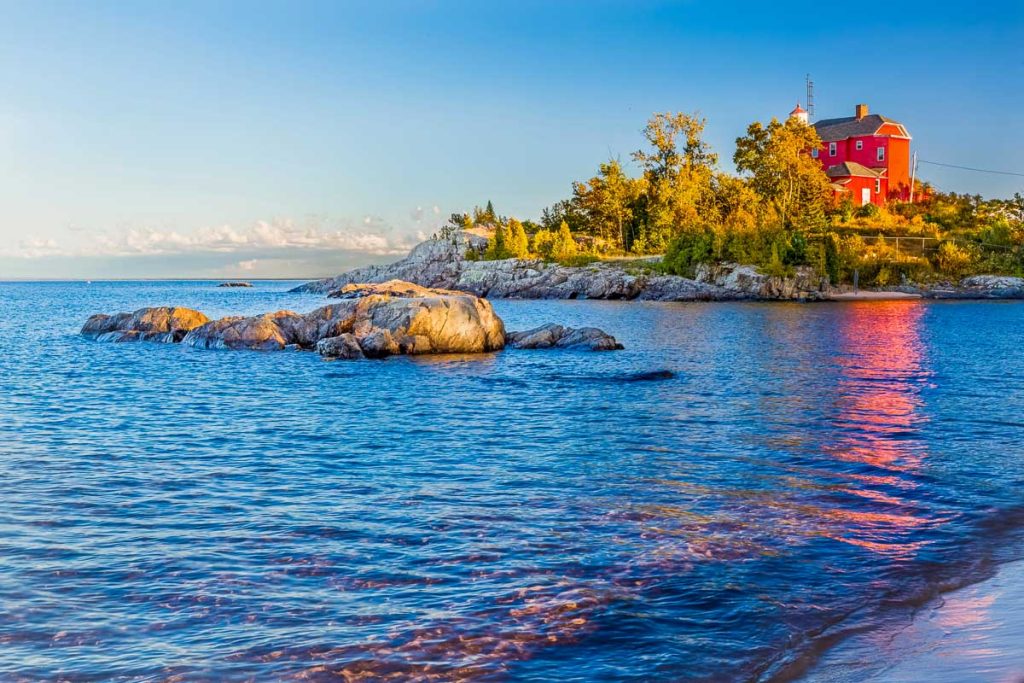
- Summer Weather Report: Highs hover in the mid-70s with cool lake breezes all day.
Marquette is way up in Michigan’s Upper Peninsula. Set along the sunny shores of Lake Superior, this college town is filled with trails and the best freshwater beaches. Hit Presque Isle Park for cliff diving or hike up Sugarloaf Mountain for views across the bay. You can kayak past sandstone cliffs, bike 20+ miles on the Noquemanon Trails, or swim at McCarty’s Cove, with a lighthouse in view.
There are art fairs and music nights, and since it’s far north and lakeside, the humidity stays low, and the nights cool off fast.
12. Lake Superior Region (Minnesota/Michigan/Wisconsin)
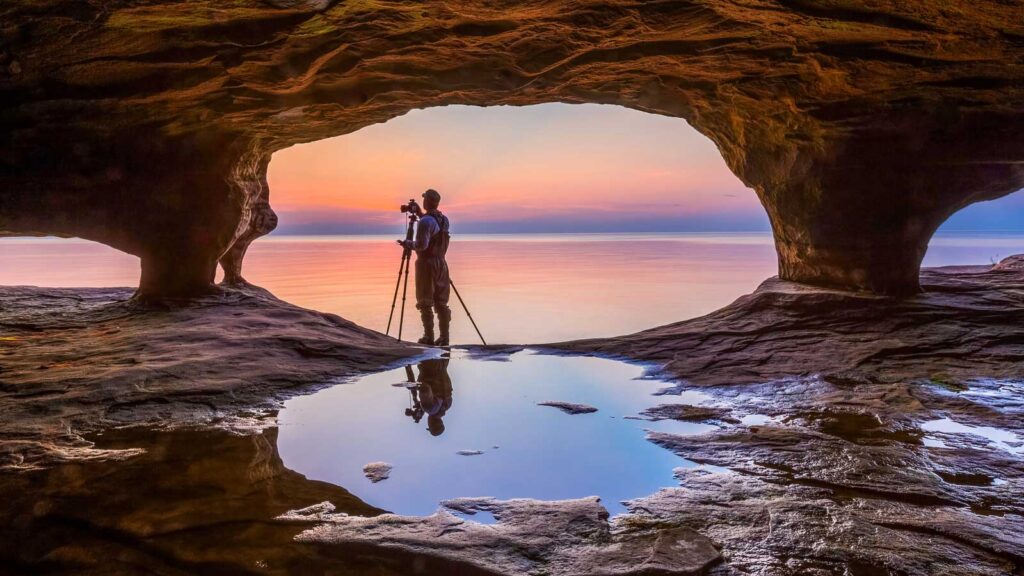
- Summer Weather Report: Mornings start in the 50s, afternoons top out near 73°F, and the water stays freezing.
Lake Superior’s northern shore rivals any coastal getaway. The region around it, especially along Minnesota’s North Shore, Michigan’s Keweenaw Peninsula, and northern Wisconsin, stays cool and breezy even in peak summer.
Drive Scenic Route 61 past waterfalls and lava cliffs, stopping in Bayfield to take a ferry to the sea caves of the Apostle Islands. Inland towns like Two Harbors or Houghton keep things local, with microbreweries and cold-water beaches that feel more Scandinavian than Midwestern.
13. Isle Royale National Park, Michigan
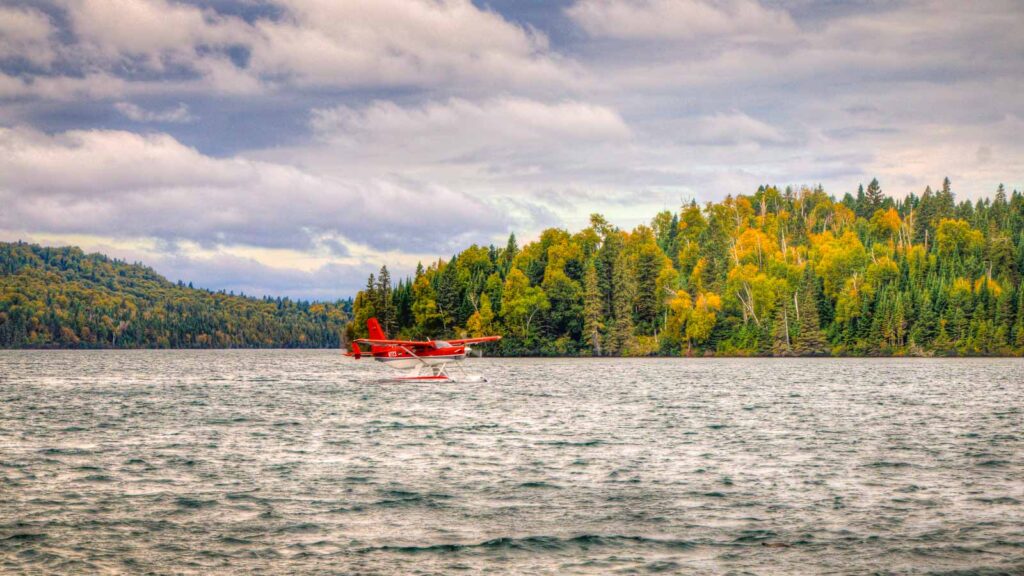
- Summer Weather Report: Low 70s on land and 40s on the lake.
Isle Royale might be the most remote national park in the Lower 48. Only accessible by boat or seaplane, this island chain in the middle of Lake Superior is a true wilderness zone.
Hikers come for the Greenstone Ridge Trail, and paddlers circle the outer islands. There are no cars, no cell signal, and no stress. Lodges book fast in summer because the park is only open April through October, and July-August is peak season without peak heat. Campsites are water-adjacent and feel like private islands.
14. Boundary Waters Canoe Area, Minnesota

- Summer Weather Report: Days average around 75°F, but misty mornings stay in the 40s.
This vast wilderness between lakes and forests is canoe country and one of Minnesota’s best places to visit. You can paddle all day from campsite to campsite, portaging past pine stands, logging relics, and quiet bays.
Summer-only outfitters offer kayak hire and guide services. Nights are cool, and sunrise paddles across mirror lakes are ethereal.
15. Denali National Park, Alaska
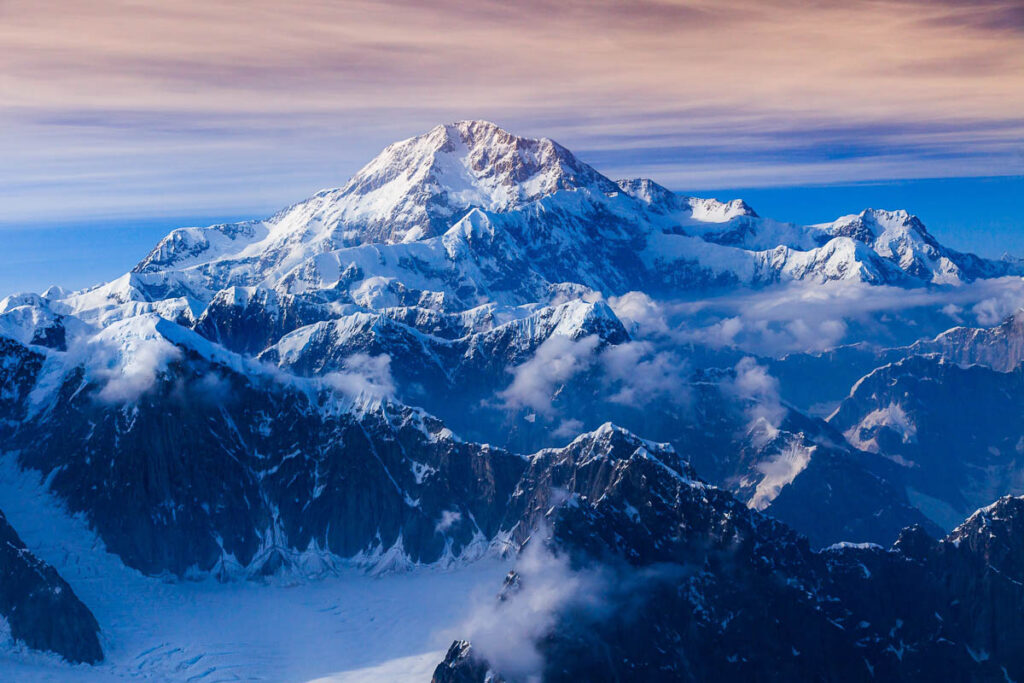
- Summer Weather Report: Long daylight hours in the 60s and surprise sleet at elevation still.
Denali’s bus routes into the park are only full-season July departures, meaning that’s the only time you can explore deep wilderness zones without snow. Road access opens to Mile 43, which lets hikes, boardwalks, and ranger programs run nonstop. Mountain views aren’t always present, but July gives your best chance to catch Denali’s summit shine.
Campgrounds are set up for summer occupancy, and flightseeing tours run regularly from Talkeetna.
16. Sitka, Alaska
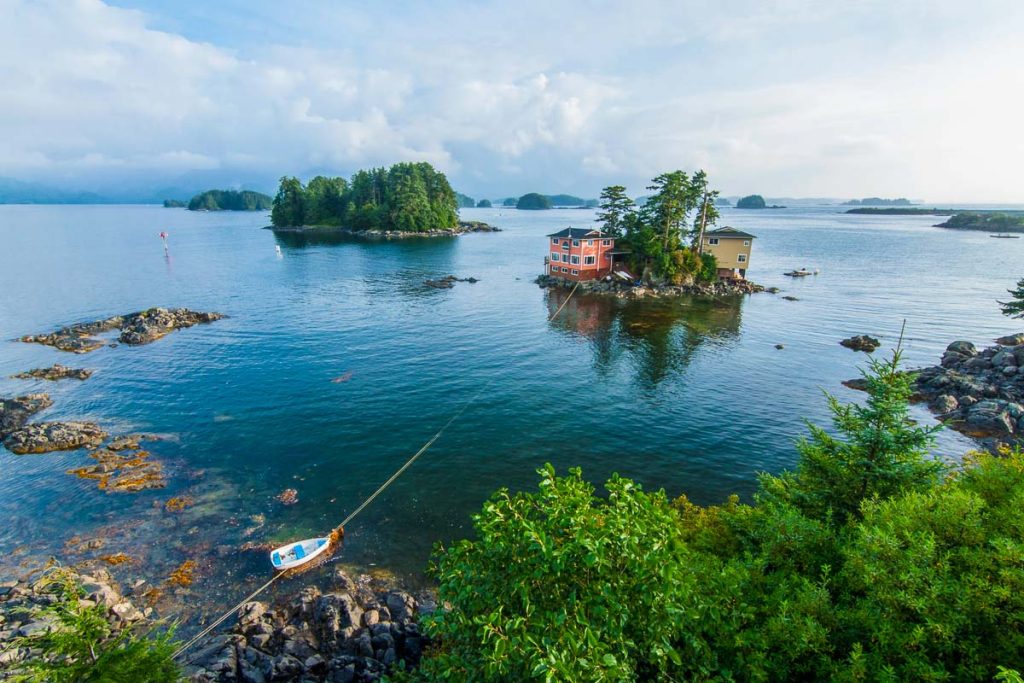
- Summer Weather Report: Expect coastal coolness in the low 60s and some drizzling.
Once a Russian outpost, Sitka sits on Baranof Island and feels like a combination of the Pacific Northwest and the last frontier. Summer’s long days mean you can fit morning whale-watching and afternoon hiking Mount Edgecumbe with an evening BBQ all in one day. You can kayak among sea otters, hike to waterfalls, or tour the Alaska Raptor Center.
Rangers run fishing charters to hidden beaches, and the Fortress of the Bear rescue home pops open to visitors from June through August. The attractions in Alaska see the biggest crowds come in July, but Sitka stays cool with a forest deep enough to feel off-grid.
17. Glacier National Park, Montana

- Summer Weather Report: It’s mid-70s in the valleys and cold enough for snow at Logan Pass, with roaring waterfalls.
Glacier National Park’s most iconic road trip, Going-to-the-Sun Road, is only fully drivable in July and August. That’s when you can cruise its curves end to end, hitting scenic stops like Logan Pass and Avalanche Lake access. Alpine lakes thaw and reflect the towering peaks while rivers rush from snow fields.
Evenings are crisp enough to sleep with a hoodie despite the sun shining almost all night. Glacier is alive in summer, and only summer lets you truly experience it.
18. North Cascades National Park, Washington
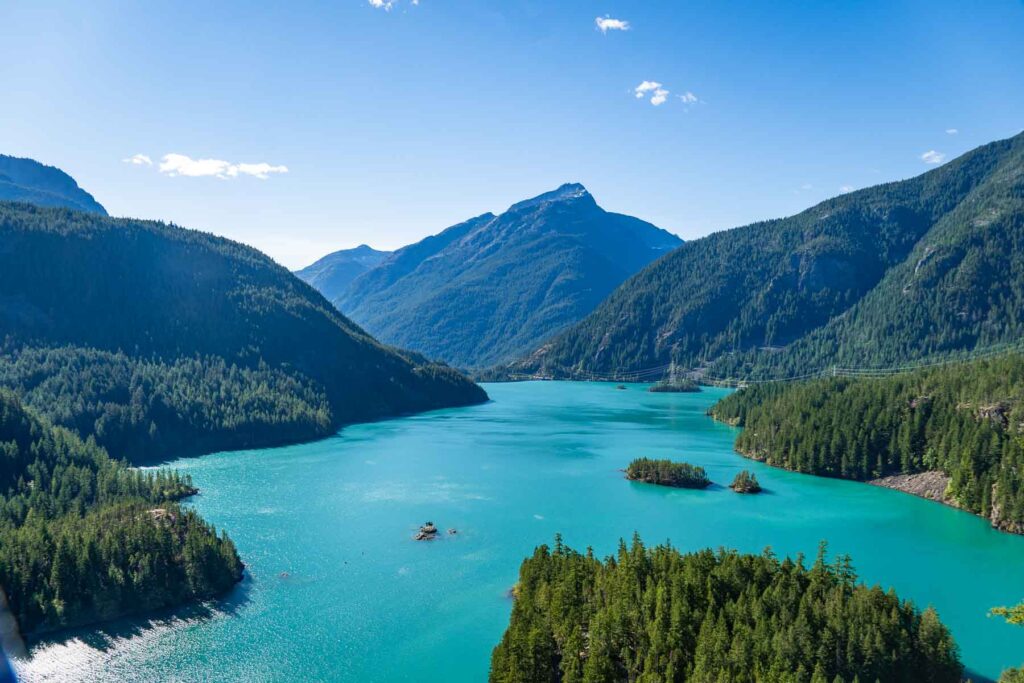
- Summer Weather Report: Warm afternoons hover near 70°F while alpine nights snap back into the 40s.
The North Cascades are craggy peaks, steep valleys, and glacier-blue lakes, all hidden under snow until late June. July brings roads through twists over Washington Pass, with drive-up access to the alpine zone on highways that often only reopen around Independence Day.
Maple Pass Loop, Cascade Pass, and Ladder Creek Falls are summer-only gems with turquoise water. Boat hires on Diablo Lake run in summer, and you can rent kayaks from cabins along the shore.
19. Olympic National Park, Washington
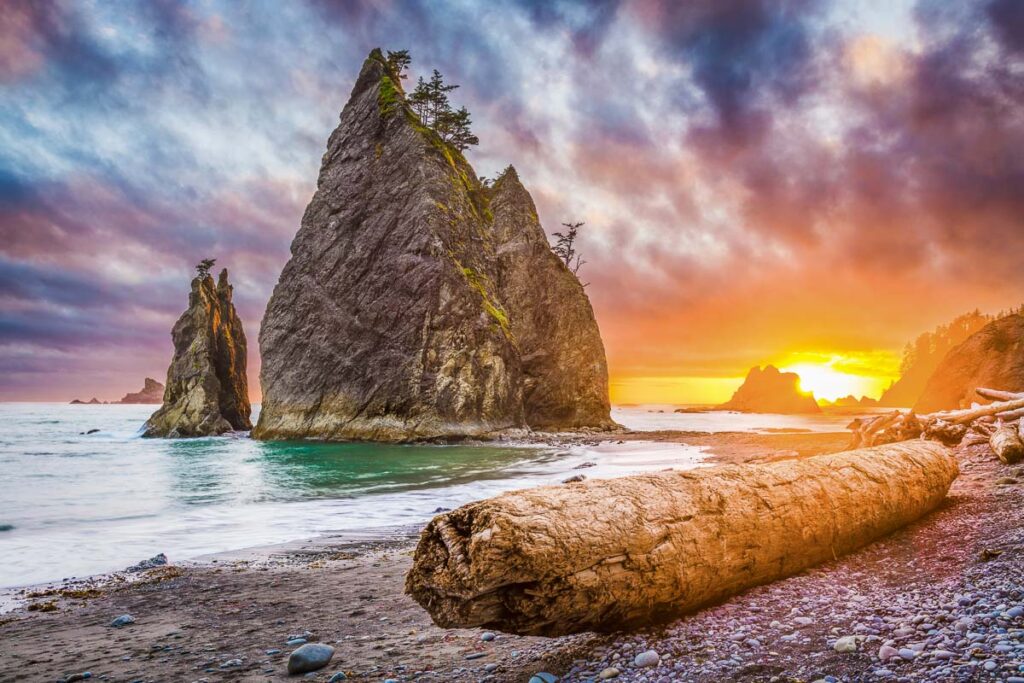
- Summer Weather Report: You’ll often get fog, sun, and 65°F highs within the same hour.
Olympic National Park is a microclimate jackpot. You can hike from the temperate rainforest to the mountaintop snowpack to the wild beach, all on the same day. The coast stays fog-wrapped and windy, the forests stay damp and green, and the peaks hold onto patches of snow well into August. Spend one day walking across driftwood at Rialto Beach and the next climbing up Hurricane Ridge. In the Hoh Rain Forest, moss drips off everything.
The trails are driest in July and August, and the notoriously rough roads in winter are finally in shape for longer drives and day hikes.
20. Acadia National Park, Maine

- Summer Weather Report: A breezy 70°F along the coast.
Acadia is the only national park on the East Coast and the place to see the first sunrise in the US. In summer, the trails finally dry out enough for big (and dangerous) hikes like the Precipice Trail or the classic sunrise trek up Cadillac Mountain.
The park’s carriage roads are open or head to Sand Beach or Thunder Hole for sea spray and chill air. Summer is also the only season with full ferry service to nearby islands like Isle au Haut.
Cool Coastal Zones
21. San Francisco, California
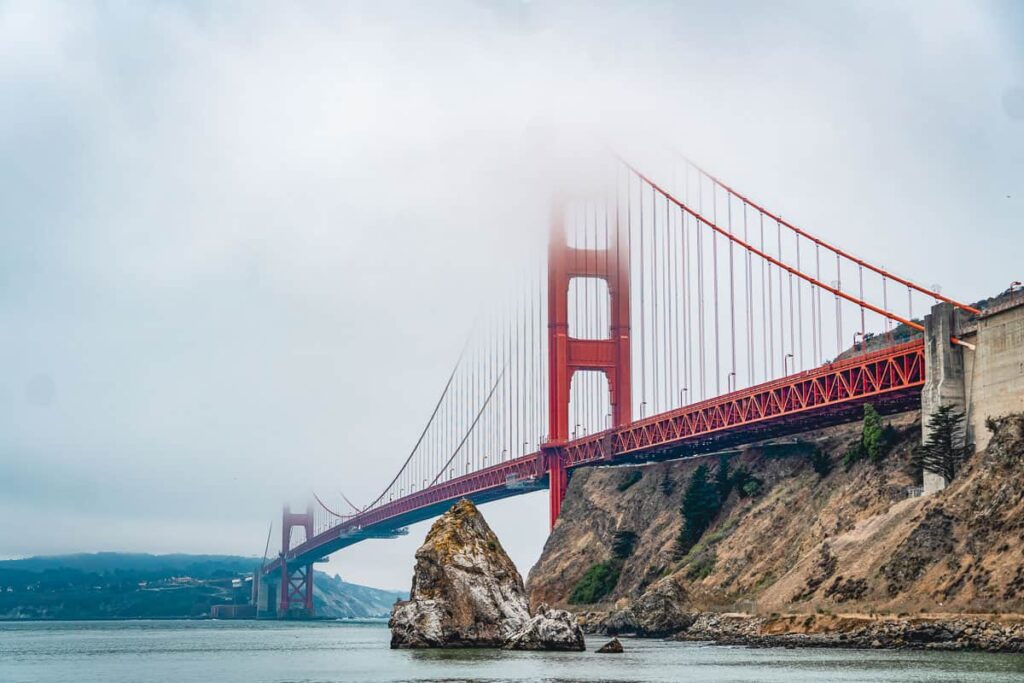
• Summer Weather Report: 66°F and fog in July. The fog has its name (Karl) and shows up nearly daily.
Mark Twain probably didn’t say it, but many people experience the coldest summer in San Francisco. While most of California bakes, the city stays socked in by fog and hit with breezy afternoons.
Do the SF must-dos, like walking the Embarcadero, hiking the Lands End Trail, and riding a cable car through the hillsides of Chinatown. Alcatraz will look inherently creepy as it peeks through the fog on the ferry, giving Shutter Island vibes.
22. Cape Flattery, Washington
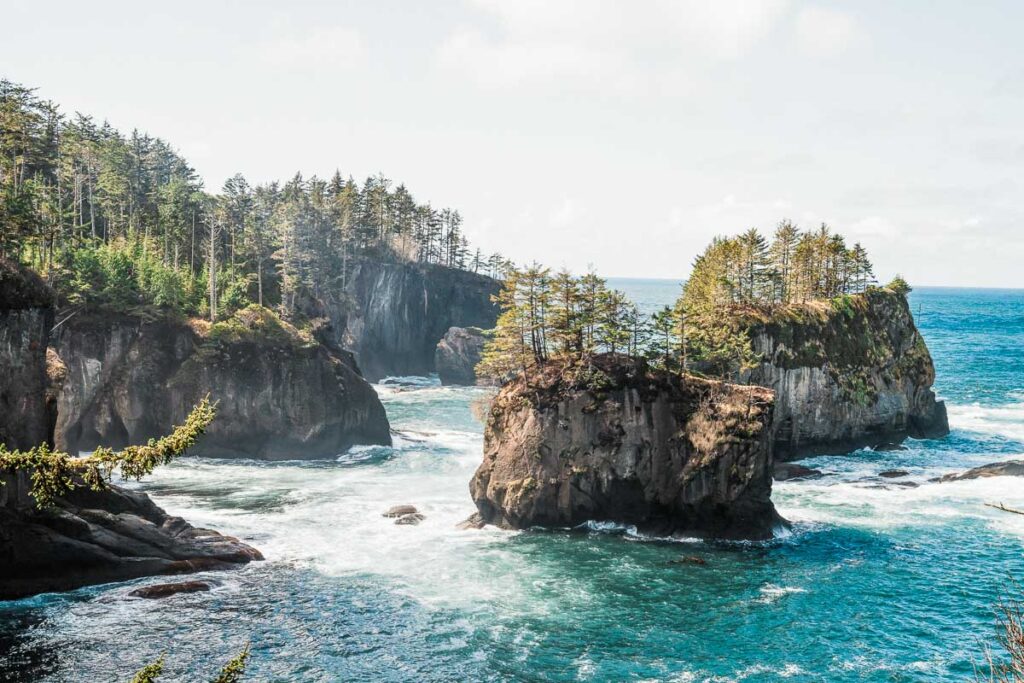
• Summer Weather Report: Mid-60s with salty wind and sea mist that makes everything feel cooler than it actually is.
Cape Flattery is the northwesternmost point in the lower 48. The road to get there winds through Neah Bay and forested lands of the Makah Tribe.
The short hike to the viewpoint is through the mossy forest that feels more like the Pacific Northwest in November. You’ll pass tidepools that bubble with sea life, and from the viewpoint, you can spot Tatoosh Island just offshore. There’s no cell service, no traffic, and no crowds, only the sound of wind and water.
Summer is your best chance to visit, as the roads are fully open and the trails dry out.
Catherine, a seasoned travel writer, has lived in 4 different states and explored 36 states and 28 national parks. After spending two years embracing van life, she's now dedicated to sharing her vast knowledge of day trips across America. Catherine's other works has been referenced in major publications like MSN, Self, and TripSavvy.
| MY FAVORITE TRAVEL RESOURCES |
✈️ Find amazing guided tours and experiences with Viator to maximize your time! 🏘️ Plan ahead and secure your accommodation with Booking.com in advance. 🧾 Rent a car with Discovercars in advance and get the best prices for your day trip adventures. |