
12 Largest National Parks Bigger Than Some Countries


When it comes to national parks, most people imagine classic hikes and long weekends carved out on the calendar. But some parks go well beyond that scale.
After two years on the road and close to 30 national parks under my belt, I started to understand just how massive some of these places really are. A few, like Yellowstone, required days of driving between trailheads.
This list features the 12 largest national parks in the US, each one bigger than entire countries. The numbers are based on gross acreage from the official National Park Service reports as of Q1 2025. Many, unsurprisingly, are in Alaska, where the scale of everything are a category of its own.
1. Wrangell–St. Elias National Park, Alaska
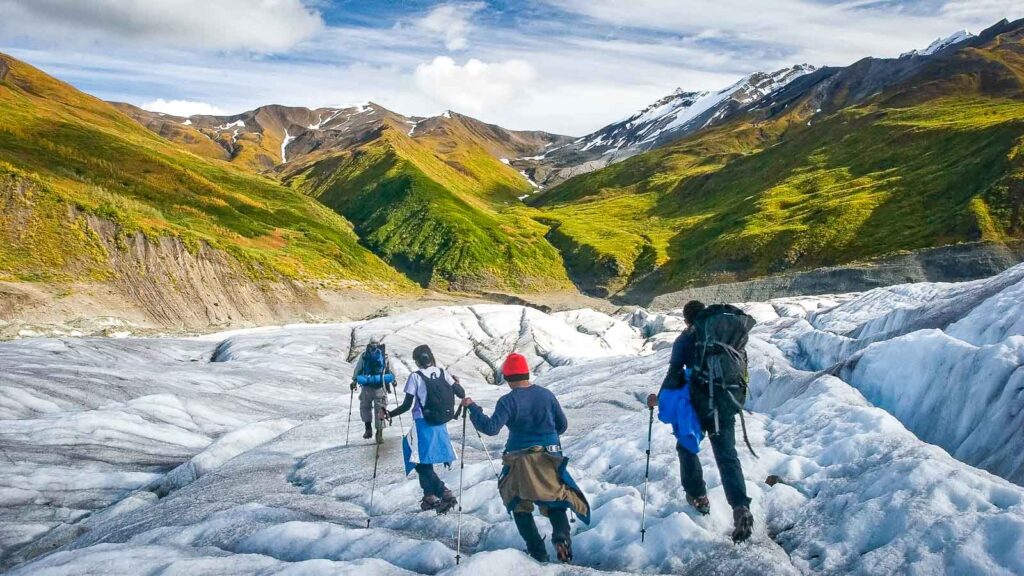
- Gross Area Acres: 8,323,146.48
This park could swallow entire states. Wrangell–St. Elias is the largest national park in the US and spans a land area bigger than Switzerland. It’s home to nine of the 16 highest peaks in the country, including Mount St. Elias at 18,008 feet. Glaciers cover more than a third of the park, with the Malaspina Glacier alone stretching over 1,500 square miles.
This place is wild in every sense. There are no roads through it, limited cell service, and massive swaths of wilderness that feel almost untouched. You can flightsee, backcountry ski, or explore the abandoned Kennecott Mines, a National Historic Landmark. Even the rivers here run glacially fast.
2. Gates of the Arctic National Park, Alaska
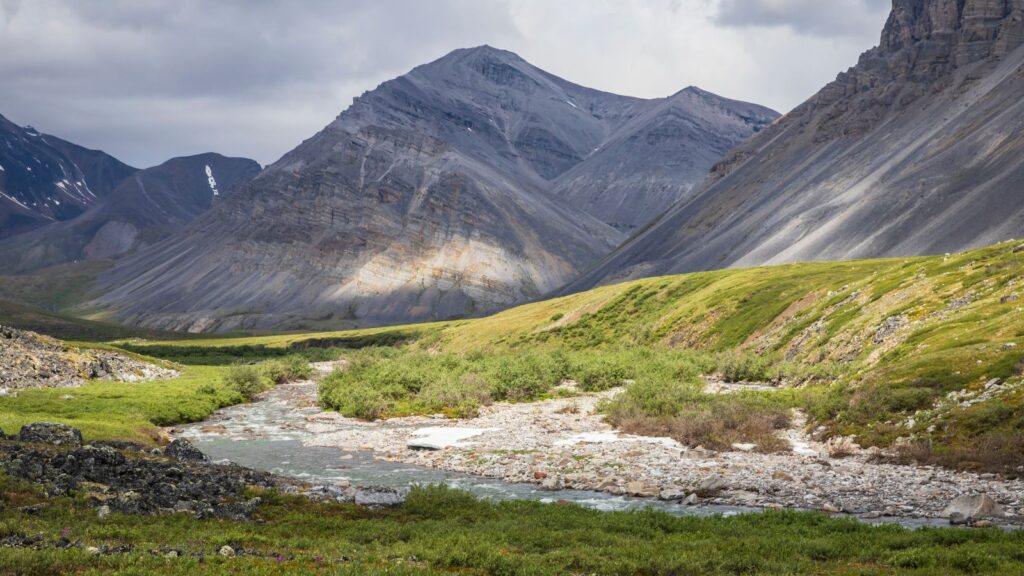
- Gross Area Acres: 7,523,897.45
No roads. No trails. No visitor centers. Gates of the Arctic isn’t just remote, it’s the most remote national park and sits entirely above the Arctic Circle. This park is the size of Maryland and remains completely undeveloped, making it one of the best places in the US for true wilderness trekking.
The Brooks Range cuts through the park with peaks topping 8,000 feet, and the Alatna, John, and Noatak Rivers carve through the valleys. The park gets fewer than 10,000 visitors a year, most arriving by bush plane or floatplane. Backpackers need to be fully self-sufficient, as this is as off-grid as it gets.
3. Denali National Park, Alaska
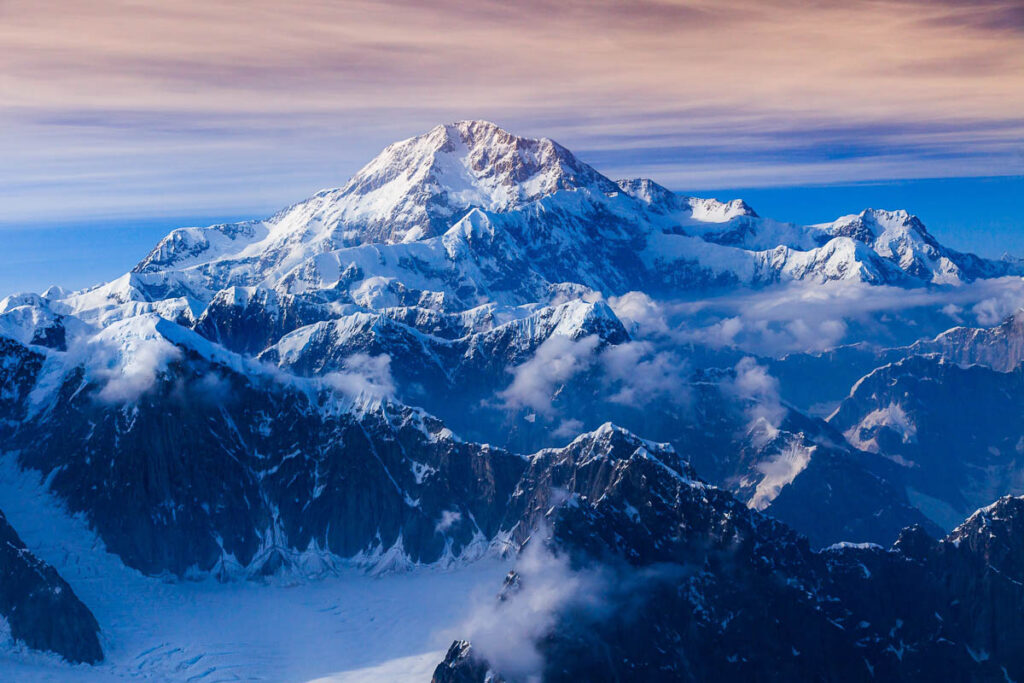
- Gross Area Acres: 4,740,911.16
Home to Denali, the tallest mountain in North America at 20,310 feet, this park is a mix of tundra, glaciers, and forest stretching across nearly 5 million acres. However, only one road, Denali Park Road, leads into its core, and private vehicles can only access a portion of it. The rest? Park buses, bikes, or your own two feet.
Visitors come for the wildlife (grizzlies, moose, wolves), sweeping views from Polychrome Pass, and the kind of hikes where you won’t pass another person all day. In September, fall colors cover the hills in deep reds and golds. In winter, the park becomes a haven for northern lights and snowshoeing.
4. Katmai National Park, Alaska

- Gross Area Acres: 3,674,529.33
Katmai is famous for one thing: bears. The star attraction is Brooks Falls, where dozens of brown bears gather in summer to catch leaping salmon. This park also contains over a dozen active volcanoes and the Valley of Ten Thousand Smokes, a volcanic landscape created by the 1912 eruption of Novarupta, one of the most powerful eruptions of the 20th century.
Visitors typically fly in via floatplane and base themselves at Brooks Camp, the best spot for wildlife viewing. But step away from the main area and you’ll find caldera lakes, lava domes, and vast backcountry nobody’s hiking through in a day.
5. Death Valley National Park, California and Nevada
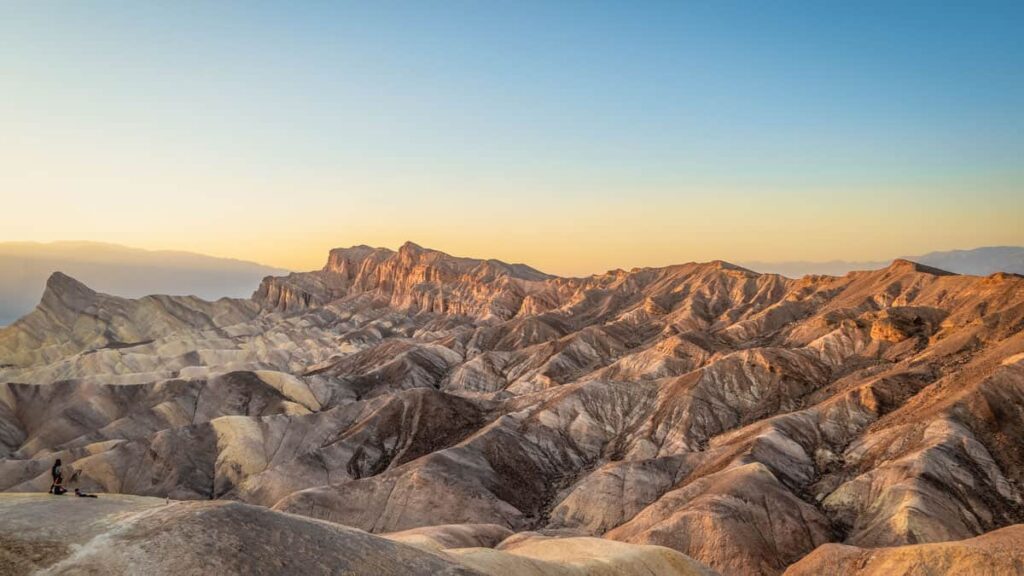
- Gross Area Acres: 3,408,445.63
Death Valley holds some of the most extreme titles: hottest temperature on Earth (134°F), the lowest point in North America (Badwater Basin, at 282 feet below sea level), and driest US national park. Yet this landscape is more than desert. Zabriskie Point, Dante’s View, and Artist’s Palette showcase beautiful rock formations, salt flats, and badlands.
Drive through the Devil’s Golf Course, where jagged salt crystals cover the ground like broken glass. Hike Golden Canyon, trek through slot canyons, or stargaze under skies certified by the International Dark-Sky Association. Summer is brutal, so spring and winter are the time to go.
6. Glacier Bay National Park, Alaska

- Gross Area Acres: 3,223,383.43
Most visitors arrive by cruise ship, but Glacier Bay is still wild and vast. Located in southeast Alaska, the park is part of a UNESCO World Heritage Site and has over 1,000 glaciers, including the frequently calving Margerie Glacier.
Humpback whales, sea otters, and harbor seals fill the bay, and the Fairweather Range provides an epic backdrop with peaks over 15,000 feet. Kayaking in Bartlett Cove, exploring Tarr Inlet, and sailing alongside walls of ice make this park feel like another planet. There are few roads and no driving between locations.
7. Lake Clark National Park, Alaska
- Gross Area Acres: 2,619,816.49
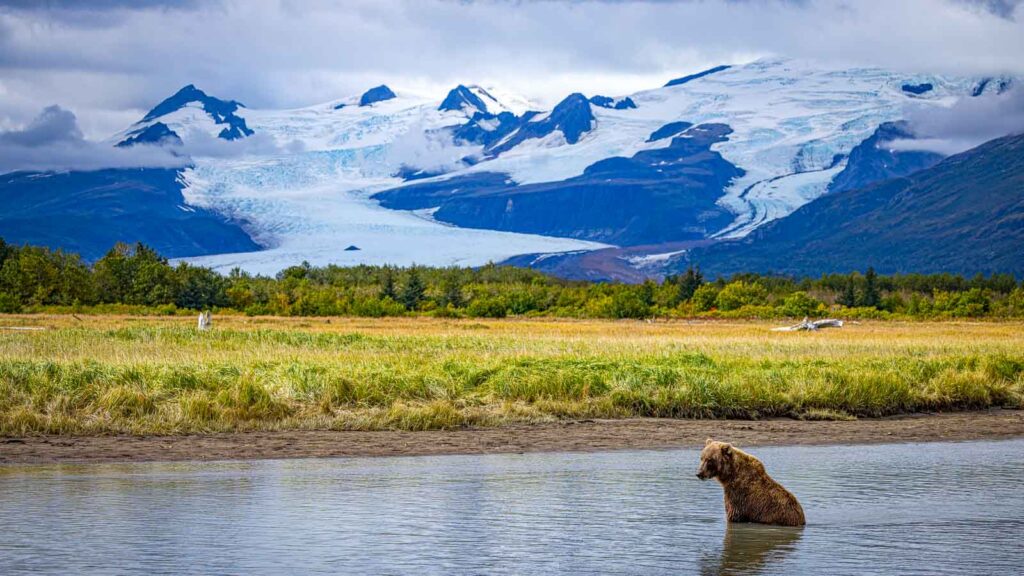
Lake Clark doesn’t do small-scale. This park delivers steaming volcanoes, alpine lakes, tundra, and some of the best brown bear viewing in the world. Mount Redoubt, one of Alaska’s most active volcanoes, looms over the park at 10,197 feet. At the heart of it all is Lake Clark itself, a 42-mile-long turquoise lake that cuts through rugged terrain like a glacier-fed vein.
There are no roads in or out. Most people fly in from Anchorage via bush plane and land on gravel bars or the lake’s surface. Proenneke’s Cabin, the handmade home of legendary wilderness survivalist Dick Proenneke, still stands and draws visitors curious about his 30-year experiment in solitude.
8. Yellowstone National Park, Wyoming, Montana, and Idaho

- Gross Area Acres: 2,219,790.71
Coming from Jackson or Bozeman and driving into Yellowstone will always impress, passing over 500 geysers, 10,000 hydrothermal features, and one supervolcano caldera that spans 30 by 45 miles. Old Faithful wows the crowds, but Grand Prismatic Spring is arguably the park’s showstopper with its vivid rings of color, visible even from satellite images.
Bison roam in the thousands and can cause the occasional traffic jam near Lamar Valley, a prime wildlife spotting zone. With five entrances and over 900 miles of trails, planning is key, and even a week is not enough.
9. Kobuk Valley National Park, Alaska
- Gross Area Acres: 1,750,716.16
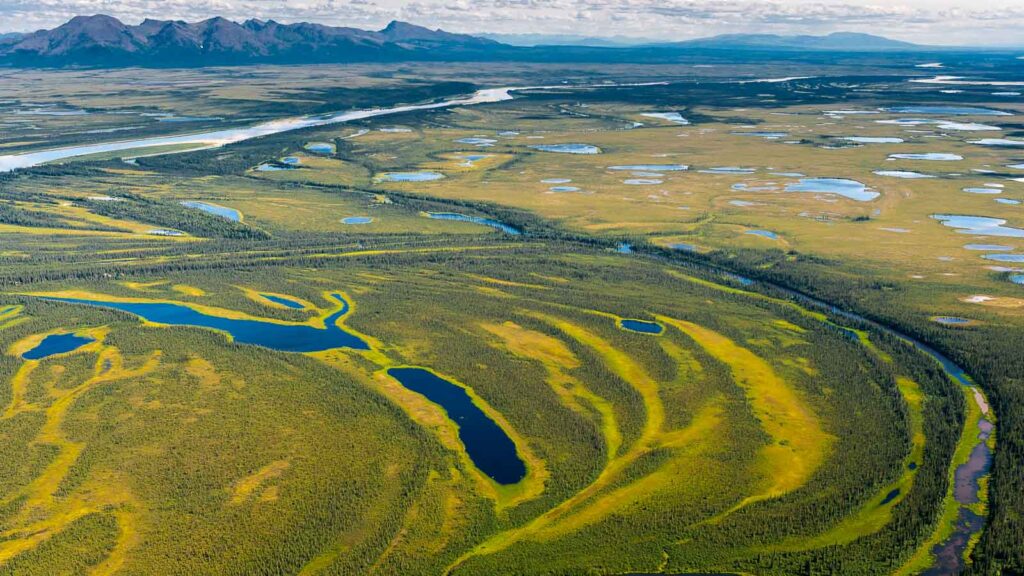
There are sand dunes north of the Arctic Circle, and this is where to find them. Kobuk Sand Dunes stretch over 25 square miles and shift constantly with the wind, surrounded by boreal forest and tundra. Twice a year, about 500,000 caribou migrate through the park, making it a prime destination for wildlife photography if you can time it right.
No roads, no trails, no signage. Visitors typically arrive by chartered plane from Kotzebue, a hub village on the coast. The Kobuk River runs 170 miles through the park and serves as a main transportation corridor for paddling.
10. Everglades National Park, Florida

- Gross Area Acres: 1,400,539.30
Just a short drive from Miami, the Everglades protect one of the most unique ecosystems in the US, a subtropical wetland system with nearly 1.5 million acres of sawgrass marsh, mangrove forest, and slow-moving water.
You can paddle through the 99-mile Wilderness Waterway, bike the Shark Valley Loop, or take an airboat tour into alligator-heavy zones. The park is home to over 360 bird species and serves as a habitat for the elusive Florida panther. It’s also the only place in the world where alligators and crocodiles coexist.
11. Grand Canyon National Park, Arizona
- Gross Area Acres: 1,201,647.03
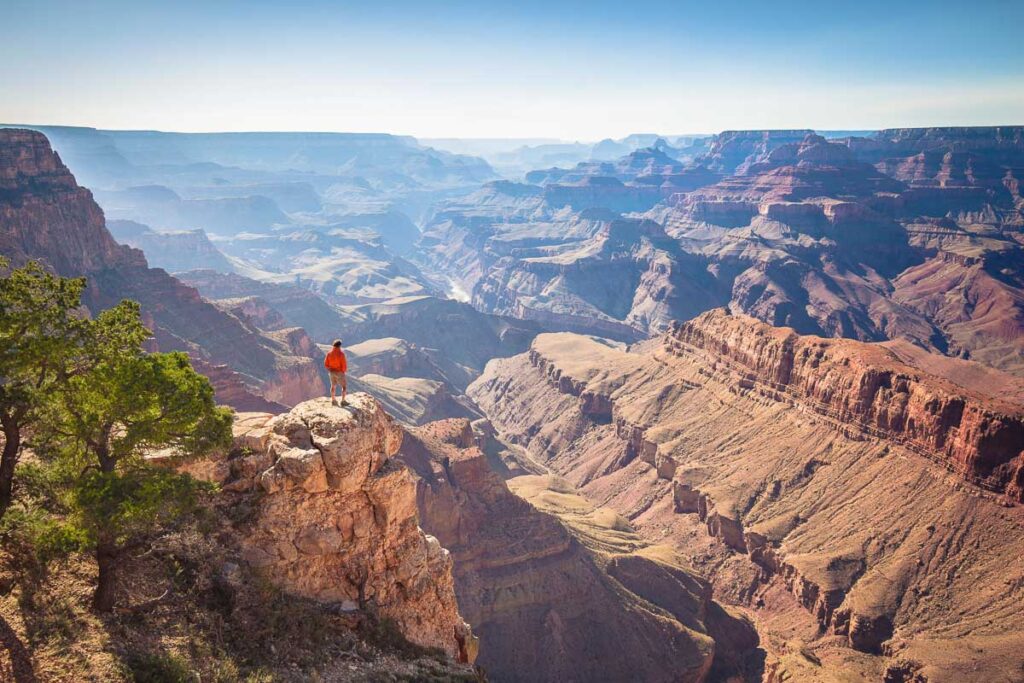
It’s deep, wide, and impossibly ancient. The Grand Canyon is 277 miles long, up to 18 miles wide, and over a mile deep in places. That’s 5,000 vertical feet from North Rim to Colorado River.
Most visitors stick to the South Rim, with its easy-access viewpoints like Mather Point and Yavapai Observation Station, but the North Rim offers solitude and sweeping perspectives at places like Bright Angel Point. The Rim-to-Rim hike, a 24-mile one-way journey, is one of the most challenging hikes in the country. Rafting through the canyon via the Colorado River is a once-in-a-lifetime kind of experience, even though you may have to wait a decade to win the lottery permit.
12. Glacier National Park, Montana

- Gross Area Acres: 1,013,126.39
Nicknamed the “Crown of the Continent,” Glacier National Park has over 700 miles of hiking trails, more than 130 named lakes, and some of the most jaw-dropping alpine views in the US. The Going-to-the-Sun Road cuts through the park for 50 miles, climbing to 6,646 feet at Logan Pass, where bighorn sheep casually block traffic. The park sits along the Continental Divide and its terrain shifts from jagged peaks to wide glacial valleys within minutes.
Grinnell Glacier and Hidden Lake Overlook are two of the top hikes, while the Highline Trail runs right along a cliff. It’s also one half of an international peace park, linking up with Canada’s Waterton Lakes National Park.

Catherine, a seasoned travel writer, has lived in 4 different states and explored 36 states and 28 national parks. After spending two years embracing van life, she's now dedicated to sharing her vast knowledge of day trips across America. Catherine's other works has been referenced in major publications like MSN, Self, and TripSavvy.
| MY FAVORITE TRAVEL RESOURCES |
✈️ Find amazing guided tours and experiences with Viator to maximize your time! 🏘️ Plan ahead and secure your accommodation with Booking.com in advance. 🧾 Rent a car with Discovercars in advance and get the best prices for your day trip adventures. |