
16 Best National Parks to Visit in August That Feel Like Everlasting Summer


August is peak summer in the national parks. Desert temperatures can be brutal, campgrounds book months ahead and popular trailheads start filling before breakfast. The better strategy is to head north, climb in elevation or stay close to the coast.
After logging thousands of miles during summer and visiting 31 national parks, I learned quickly that July is not the month to chase desert scenery. The northern Rockies, Pacific Northwest and Alaska make far more sense when southern parks are dealing with punishing heat. Some of these best national parks to visit in August also have such short seasons that July may be your best shot at seeing their high country at all.
These recommendations factor in weather patterns, crowd levels, trail conditions, seasonal access, and personal experience.
Important note: Road conditions in national parks change often and aren’t reflected here. Always check the National Park Service website for the latest closures when planning your trip.
Traveling a few weeks earlier gives you a slightly different mix of national parks that work well in July, while September starts bringing cooler temperatures and fewer families to the best parks for early fall.
1. Glacier National Park, Montana

- Why August: Logan Pass is fully open and boat tours run daily across major lakes.
- Glacier Weather: Daytime highs usually land near 75°F, with much cooler mornings around Logan Pass.
Glacier spends much of the year with huge sections buried under snow, so August is one of the rare months when the park feels fully unlocked. Going to the Sun Road crosses Logan Pass at 6,646 feet and easily earns a place among the country’s best national park scenic drives.
Grinnell Glacier, Hidden Lake Overlook and the Highline Trail are usually in good hiking condition by this point. Boat trips also run across several of the larger lakes if your legs need a day off.
If you only have a day in Glacier, build it around Going to the Sun Road and one main hike. Logan Pass parking fills absurdly early in August, so sleeping in comes with consequences.
2. Mount Rainier National Park, Washington

- Why August: Subalpine meadows reach their seasonal peak after snowpack retreat completes.
- Mount Rainier Weather: Daytime temperatures often reach the low 70s°F around the main visitor areas, with cooler air higher up.
Mount Rainier rises 14,410 feet above Washington, and August is when the meadows below it finally lose their winter snow. Paradise turns into a patchwork of flowers around the Skyline Trail while Myrtle Falls runs beneath the mountain.
Sunrise is also normally open all month, giving you access to Sourdough Ridge and some of the highest roads in the park. An August day at Rainier can focus on either Paradise or Sunrise without trying to spend half the trip driving between them.
Summer crowds arrive early, so trailhead parking is much easier before mid morning. Timed entry rules may also affect the busiest corridors depending on the season.
3. Yellowstone National Park, Wyoming Montana Idaho

- Why August: Thermal basins remain active while you can reach all the backcountry trails.
- Yellowstone Weather: Daytime temperatures sit near 75°F, with much cooler nights across the higher plateaus.
Yellowstone holds more geysers than anywhere else on Earth, and August gives you access to nearly every major thermal basin without winter roads getting in the way. Grand Prismatic Spring shows strong color under summer sun while Old Faithful keeps pulling a crowd every time an eruption approaches.
Lamar and Hayden Valleys are better around dawn or dusk when traffic drops and animals become more active. Yellowstone Lake is also firmly in its summer season with boating and shoreline stops available.
Bozeman works well as a northern base, and Yellowstone tours from Bozeman take care of the driving if you would rather not spend the day watching for bison jams yourself. Doing it yourself in one Yellowstone day works better if you focus on one side of the Grand Loop instead of attempting an automotive speedrun around the whole park.
4. Grand Teton National Park, Wyoming

- Why August: Reach high elevation trails without lingering snowfields.
- Grand Teton Weather: Daytime temperatures sit near 75°F, with colder mornings around the lakes.
The Tetons rise more than 7,000 feet above Jackson Hole without much warning, which is part of why the first view from the highway hits so hard. August finally clears snow from many of the higher routes into Cascade Canyon and Paintbrush Canyon.
The Jenny Lake ferry saves several miles on the walk toward Hidden Falls and Inspiration Point. Snake River float trips also run daily while Oxbow Bend becomes a favorite stop near sunset.
A day around Grand Teton can easily combine the lake corridor with roadside viewpoints. There are enough things to do around the Tetons that it is worth slowing down instead of treating the park as a quick stop below Yellowstone.
5. Rocky Mountain National Park, Colorado

- Why August: Trail Ridge Road stays consistently open across the Continental Divide.
- Rocky Mountain Weather: Daytime temperatures reach around 70°F at lower elevations and fall quickly above tree line.
Rocky Mountain National Park has more than 300 miles of trails, but some of its highest terrain is accessible for only a small part of the year. August puts Trail Ridge Road fully in play as it climbs above 12,000 feet between Estes Park and Grand Lake.
Emerald Lake and Sky Pond are busy summer hikes, while Mount Ida takes you farther into exposed alpine terrain. Afternoon storms build quickly at elevation, so early starts matter.
A day in Rocky Mountain can combine the Bear Lake area with a drive over Trail Ridge Road. Longer hikers also have some of Colorado’s best mountain trails within reach this month.
6. Lassen Volcanic National Park, California
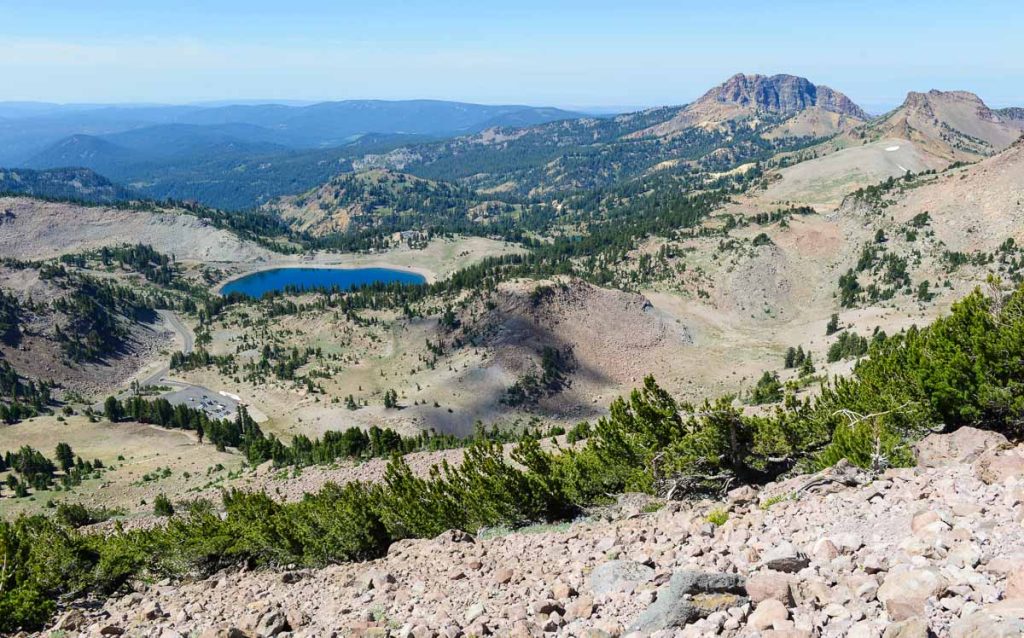
- Why August: Snow finally clears from Lassen Peak trail and remote hydrothermal zones.
- Lassen Volcanic Weather: Daytime temperatures average near 75°F, with cooler conditions at higher elevations.
Lassen packs all four major volcano types into one national park, which is a lot of geological drama for 106,000 acres. August is when the summit trail becomes far more practical and Bumpass Hell is normally clear of the snow that controls access earlier in summer.
Boardwalks at Bumpass Hell pass boiling pools and steaming ground, while Manzanita Lake gives you a much calmer stop. Lassen also fits naturally into a longer stretch of Northern California day trips.
A day through Lassen can cover the summit area, hydrothermal stops and Manzanita Lake. Summer flowers begin fading later in August, but trail access gets better.
7. Denali National Park, Alaska
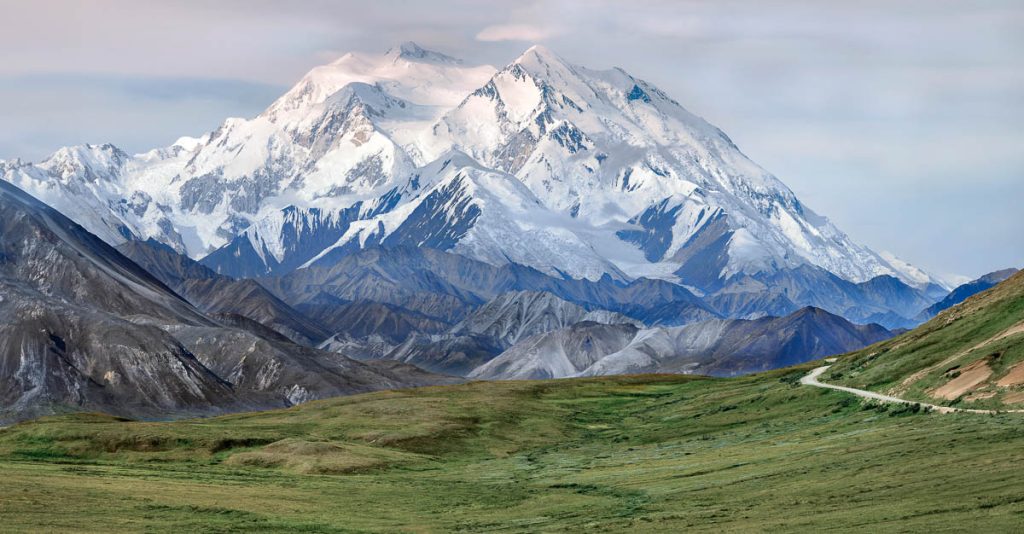
- Why August: Peak tundra color begins late in the month.
- Denali Weather: Daytime highs average around 60°F, with cooler mornings and occasional rain at higher elevations.
Denali rises 20,310 feet above sea level, making it the highest mountain in North America. August gives the tundra around it a completely different look as green slopes begin shifting toward fall colors late in the month.
Transit buses remain the main way to travel beyond the section of park road open to private vehicles. Lower trails around the entrance area are clear, while caribou, moose and Dall sheep may appear along the road corridor.
The season is already short enough that colder nights begin creeping in before August ends. Denali also belongs on any list of the most remarkable mountains in the United States, even if clouds occasionally hide the summit for days.
8. Olympic National Park, Washington
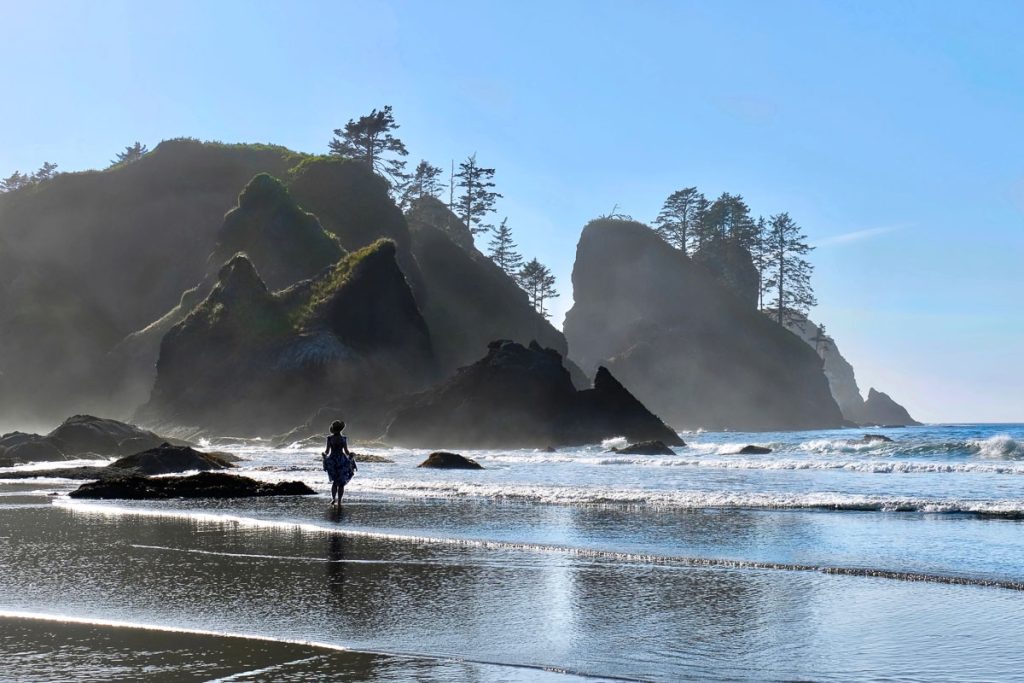
- Why August: Full seasonal access, while coastal fog patterns stabilize.
- Olympic Weather: Temperatures range from the mid 60s°F along the coast to the low 70s°F inland.
Olympic squeezes glacier covered peaks, temperate rainforest and Pacific beaches inside nearly one million acres. August is one of the easiest times to move between those completely different environments without weather constantly wrecking the plan.
The Hoh Rain Forest receives less rain than it does through much of the year, while Rialto and Ruby Beach get long evenings for tide dependent walks. Hurricane Ridge also stays open for summer hiking.
Olympic makes an easy anchor for a longer Pacific Northwest trip, but do not underestimate how long it takes to drive around the peninsula. With one day in the park, pick one region instead of attempting all three.
9. North Cascades National Park, Washington
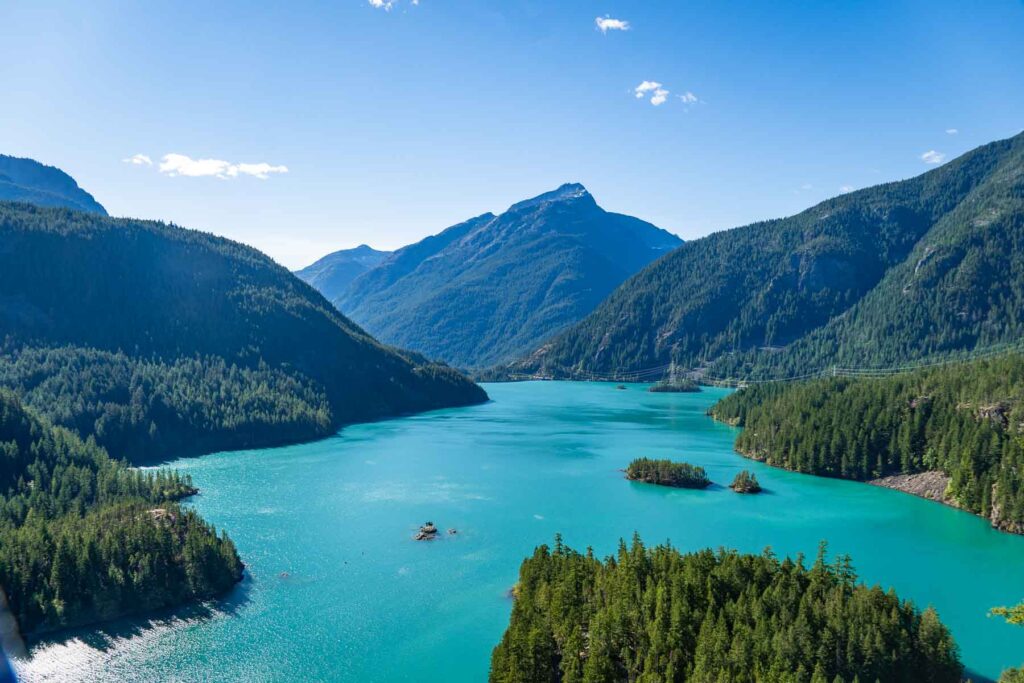
- Why August: Snow finally clears from high passes, opening the park’s most dramatic routes.
- North Cascades Weather: Daytime temperatures hover in the low 70s°F, with colder nights in the mountains.
North Cascades contains more glaciers than any national park outside Alaska. August gives hikers one of the best chances to reach Cascade Pass and Sahale Arm without finding half the route buried in snow.
Diablo Lake keeps its blue green color through late summer thanks to glacial sediment suspended in the water. Highway 20 also puts several overlooks within easy reach for people who do not want a full mountain day.
A day through North Cascades works well along the highway corridor. Services are limited compared with more developed parks, so buy food and fuel before assuming the next stop will have either.
10. Yosemite National Park, California

- Why August: High country roads and domes stay fully accessible after early summer snow closures.
- Yosemite Weather: Valley temperatures reach the mid 80s°F, while Tuolumne Meadows stays closer to 70°F.
August is the month to stop treating Yosemite Valley as the entire park. Tioga Road opens access to Tuolumne Meadows, Tenaya Lake and the higher Sierra while the valley deals with hotter temperatures and some of its biggest crowds.
Cathedral Lakes and other high country routes are generally clear of snow. Yosemite Falls slows dramatically, so granite peaks and alpine trails become the bigger reasons to visit.
Travelers coming from the Bay Area can skip some of the transportation hassle with Yosemite tours from San Francisco. If you are driving yourself, a day in Yosemite works best with an early start before valley parking gets ugly.
11. Badlands National Park, South Dakota

- Why August: Prairie wildlife activity increases late summer, especially near sunset.
- Badlands Weather: Daytime highs average around 90°F, with rapid cooling after dusk.
Badlands preserves one of the world’s major fossil deposits beneath striped ridges and eroded prairie. August gives you plenty of daylight but almost no shade, so the middle of the day is better spent driving than hiking.
Badlands Loop Road links Pinnacles Overlook, Yellow Mounds and several short trailheads. Notch Trail is far more pleasant first thing in the morning.
A day through Badlands is enough for the main scenic road and a few trails. The park also sits among some of the strangest landscapes in South Dakota, especially when evening light hits the layered hills.
12. Sequoia and Kings Canyon National Parks, California

- Why August: Giant forest roads stay fully open before early fall maintenance closures.
- Sequoia Weather: Lower elevations reach the mid 80s, while higher groves stay cooler.
General Sherman stands more than 275 feet tall and is the largest known living single stem tree by volume. That alone puts Giant Forest firmly on a California bucket list, but August also opens the roads into higher sections of both parks.
Moro Rock, Crescent Meadow and the Giant Forest are easy to combine, while Kings Canyon Scenic Byway reaches Cedar Grove during summer. Higher elevations become especially useful when the foothills heat up.
If you have one day in Sequoia, keep the focus on the giant trees and nearby trails. Trying to thoroughly cover Kings Canyon on the same day adds far more driving than most people expect.
13. Crater Lake National Park, Oregon
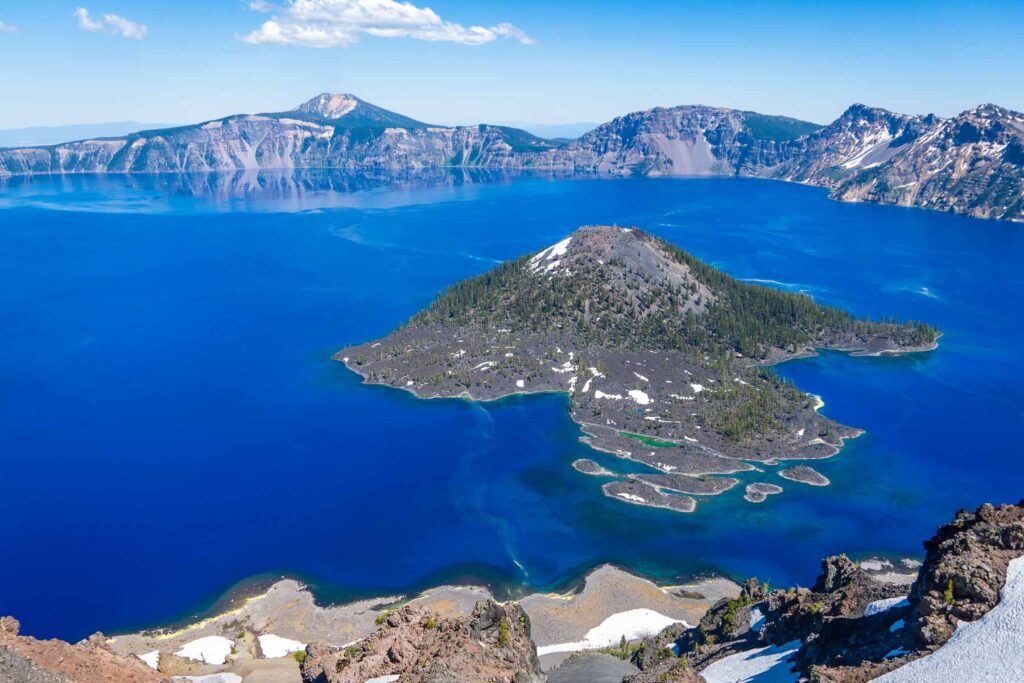
- Why August: Rim Drive and boat tours operate at maximum seasonal availability.
- Crater Lake Weather: Daytime temperatures average in the low 70s°F, with little summer rain.
Crater Lake plunges 1,943 feet, making it the deepest lake in the United States. August is one of the safest months for expecting the entire Rim Drive to be open after snow blocks sections for much of the year.
Watchman Overlook and Cloudcap give you very different angles across a lake that easily earns a place among America’s most memorable lakes. Visibility can be excellent when wildfire smoke is not affecting southern Oregon.
A day around Crater Lake can cover the rim road without feeling rushed. Snowbanks may still survive in shaded areas, even when the rest of Oregon is firmly in summer.
14. Black Canyon of the Gunnison National Park, Colorado
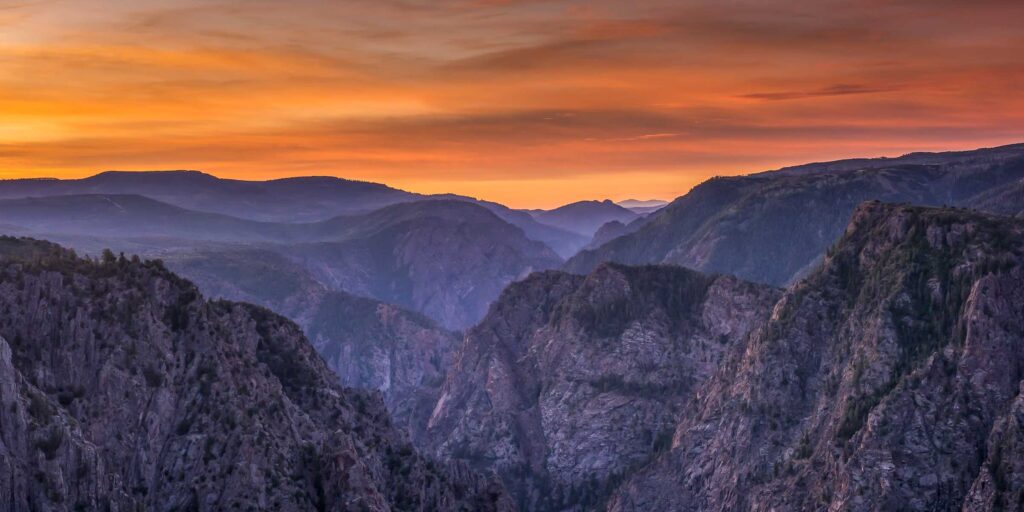
- Why August: Inner canyon routes open before seasonal permit reductions.
- Black Canyon Weather: Highs average near 80°F on the rim and become hotter deeper in the canyon.
Black Canyon drops more than 2,700 feet in places, with some sections so narrow that very little direct sunlight reaches the river. Painted Wall gives you one of the quickest ways to understand just how steep the canyon really is.
The South Rim road connects several overlooks without requiring much walking. Inner canyon routes are a different undertaking entirely and require permits.
For most visitors, a day along the rim is plenty. Start longer walks early because exposed rim trails heat up quickly in August.
15. Isle Royale National Park, Michigan
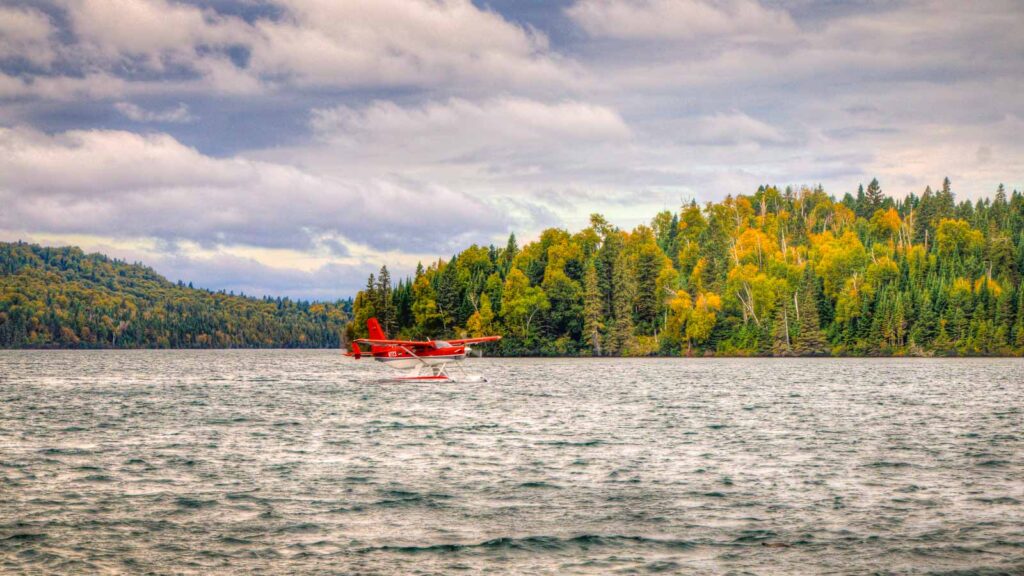
- Why August: Lake Superior ferry schedules remain consistent before early fall reductions.
- Isle Royale Weather: Daytime highs sit near 70°F, with cooler evenings influenced by Lake Superior.
Isle Royale cannot be reached by road, which helps explain why it remains one of the least visited national parks in the country. Ferries and seaplanes bring visitors across Lake Superior during a summer season that disappears quickly once fall arrives.
Greenstone Ridge and trails near Rock Harbor are clear of the spring mud that can slow hiking earlier in the year. Backpackers can string remote campsites together while moose roam around inland lakes.
August gives you one of the broadest transportation windows before services start shutting down. Getting here requires more effort, but that is also why the park never develops the parking lot chaos of the biggest western names.
16. Carlsbad Caverns National Park, New Mexico
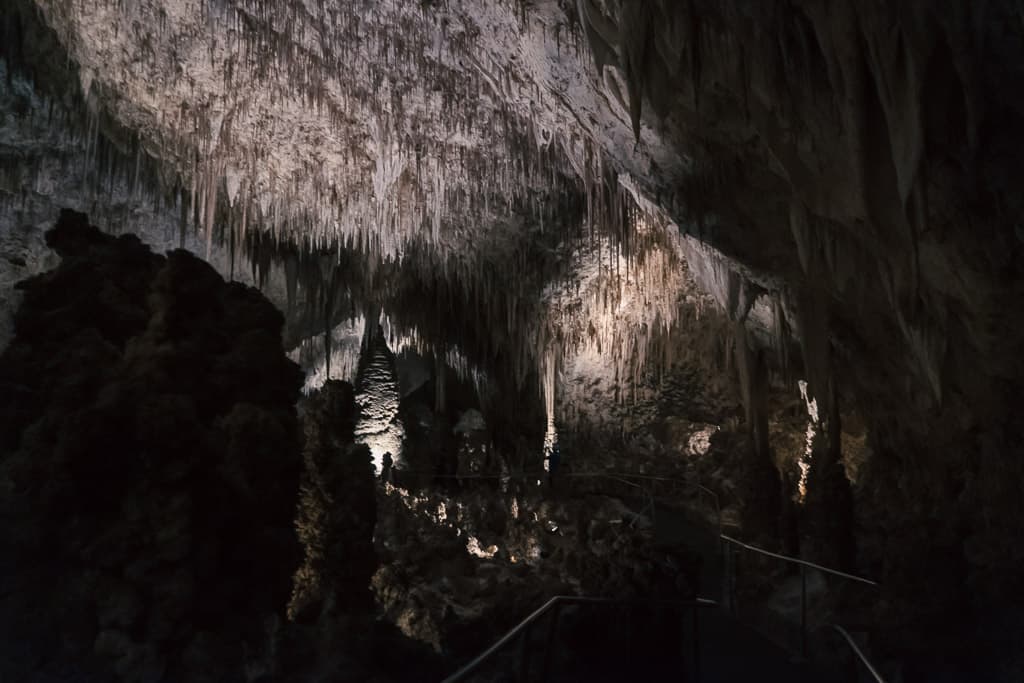
- Why August: Peak bat flights occur nightly at the cave entrance.
- Carlsbad Caverns Weather: Surface temperatures can exceed 90°F, while the cave stays around 56°F throughout the year.
Carlsbad Caverns has more than 100 known caves, and the Big Room alone covers roughly 8 acres underground. August may be roasting at the surface, but descending through the Natural Entrance quickly takes the weather out of the equation.
The main route drops more than 700 feet before connecting with the Big Room. At dusk, Brazilian free tailed bats can stream from the entrance during their nightly flight.
Carlsbad easily belongs among the best caves to explore in the United States. This is one August national park where the smartest way to escape the heat is simply to head underground.
Catherine, a seasoned travel writer, has lived in 4 different states and explored 36 states and 28 national parks. After spending two years embracing van life, she's now dedicated to sharing her vast knowledge of day trips across America. Catherine's other works has been referenced in major publications like MSN, Self, and TripSavvy.
| MY FAVORITE TRAVEL RESOURCES |
✈️ Find amazing guided tours and experiences with Viator to maximize your time! 🏘️ Plan ahead and secure your accommodation with Booking.com in advance. 🧾 Rent a car with Discovercars in advance and get the best prices for your day trip adventures. |