
14 Best National Parks to Visit in September With Perfect Hiking Weather


September is when things finally start to calm down. Schools are back in session, shuttle lines shorten, and temperatures begin to drop in many regions. It’s one of the few months where you can still go to high elevations without the intensity of peak summer crowds.
After spending years planning trips around shoulder seasons at 31 national parks, September quickly became a favorite. Trails that felt packed in July suddenly open up, and long hikes become realistic again. These 12 selections are the best national parks to visit in September if your goal is comfortable hiking with quieter roads and landscapes.
We considered weather shifts, trail access, crowd patterns, road closures, and firsthand experience to determine this list.
Important note: Road conditions in national parks change often and aren’t reflected here. Always check the National Park Service website for the latest closures when planning your trip.
A few weeks earlier, the best national parks to visit in August still feel firmly in summer. By October, colder mornings and stronger fall color reshape the list of national parks worth visiting next.
1. Yellowstone National Park, Wyoming Montana Idaho
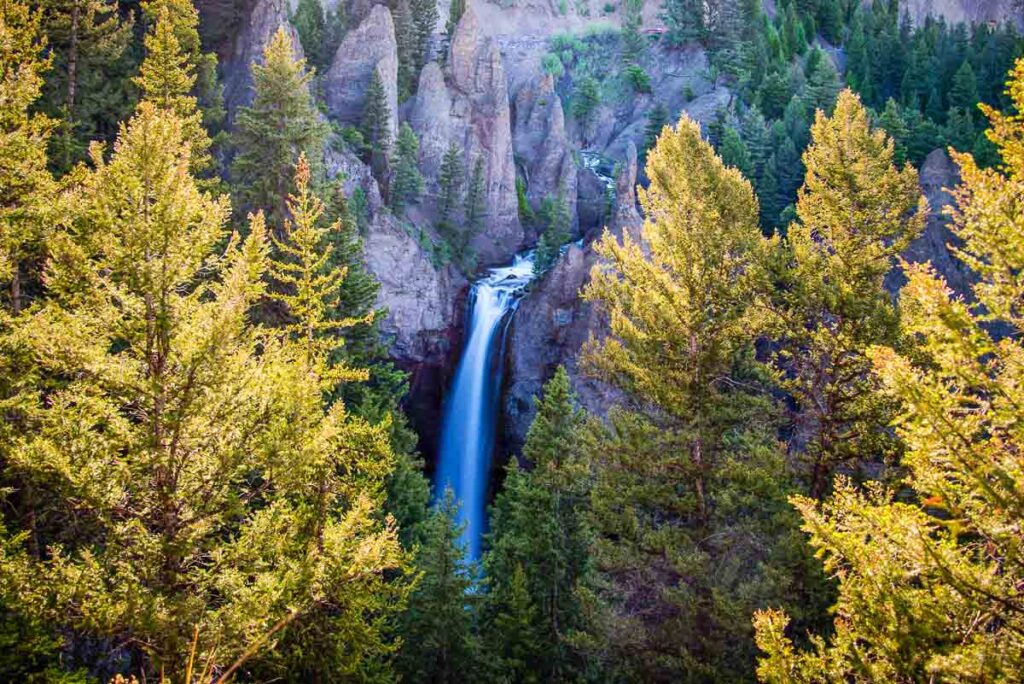
- Why September: Marks the peak of the elk rut, when bugling echoes through Lamar Valley.
- Yellowstone Weather: Daytime highs usually range from 60 to 65°F, while nights can fall into the low 30s°F.
September turns Yellowstone into a very noisy dating scene once bull elk start bugling around Mammoth and the northern valleys. Cooler air also makes the long boardwalks around Upper Geyser Basin far easier than they are during a hot July afternoon.
Steam becomes more noticeable around Grand Prismatic and other thermal areas on cold mornings. Lamar and Hayden Valleys are busiest with animal activity around sunrise and evening, while most roads stay open unless an early storm rolls through.
There are enough things to do across Yellowstone that trying to see everything in a day still gets ridiculous fast. Travelers entering from Montana can also use Yellowstone tours from Bozeman to leave some of the driving to somebody else.
2. Grand Teton National Park, Wyoming
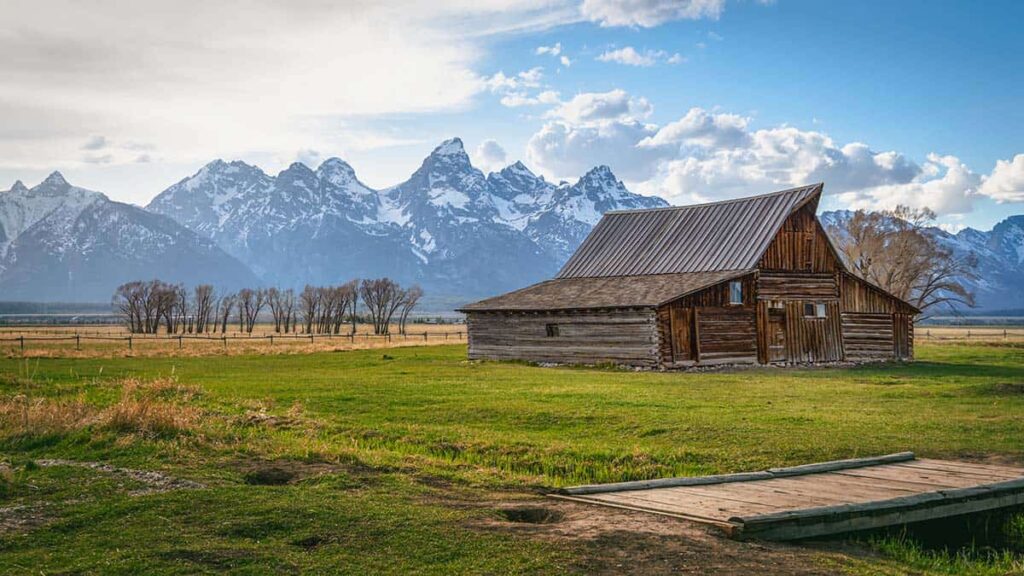
- Why September: Peak visibility across the skyline along with the elk rut.
- Grand Teton Weather: Daytime temperatures usually sit between 55 and 65°F, with mornings close to freezing.
September sharpens the Teton skyline once summer haze starts disappearing. Cottonwoods and aspens begin turning around Jackson Hole while the Jenny Lake boat shuttle keeps hikers moving toward Hidden Falls and Cascade Canyon.
Moose Wilson Road gets busy with animal activity, and String Lake stays calm enough for a cold morning paddle. Mormon Row is especially good early when the barns catch the first light and fewer cars are pulling in.
Many of the best things around Grand Teton remain fully accessible through the month. Jackson also makes a convenient base for Yellowstone tours from Jackson Hole if you are visiting both parks.
3. Glacier National Park, Montana

- Why September: High elevation routes fully open seasonal closures.
- Glacier Weather: Highs typically reach the upper 50s to low 60s, with overnight lows frequently near freezing.
Glacier gets only a short stretch each year when Going to the Sun Road and its highest hiking routes are open together. Early September can still land right inside that window, with Hidden Lake Overlook and the Highline Trail often free of major snow.
Grinnell Glacier may remain accessible well into the month depending on weather. Lake McDonald also starts picking up early fall color while Apgar feels noticeably calmer after Labor Day. The park can also anchor several days of exploring the best things around Montana before winter starts closing mountain roads
4. Rocky Mountain National Park, Colorado
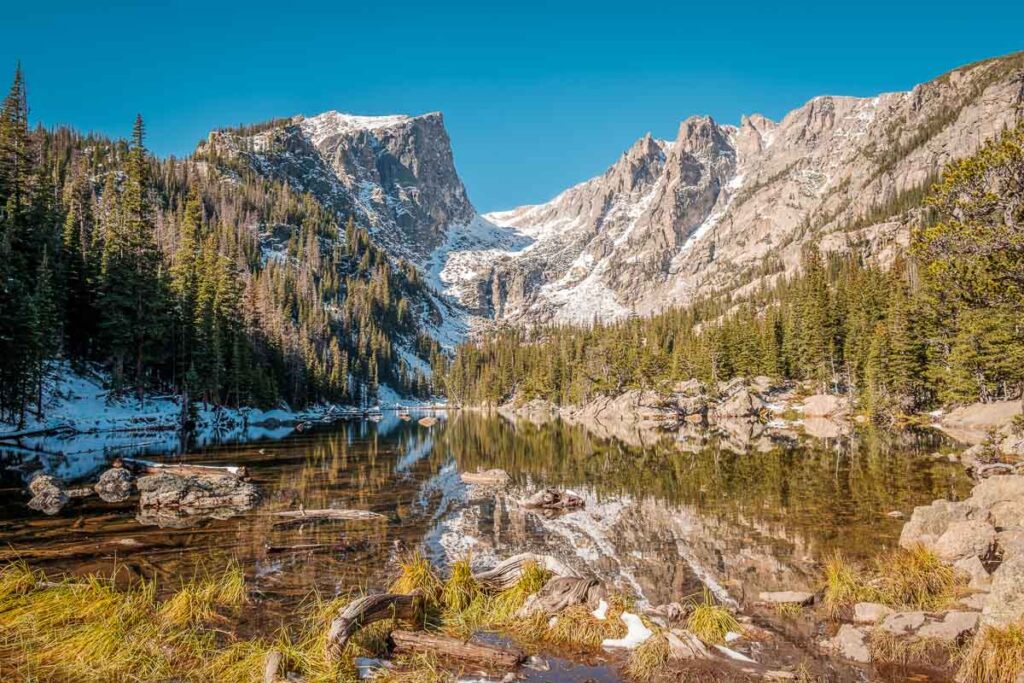
- Why September: Full access before alpine snow arrives as fall colors appear and elk mating season peaks.
- Rocky Mountain Weather: Daytime highs range from 55 to 65°F, while nights frequently drop into the low 30s°F.
Bull elk start bugling around Moraine Park and Horseshoe Park in September. At the same time, pockets of aspen begin turning gold across the middle elevations.
Bear Lake routes to Emerald Lake and Lake Haiyaha stay accessible without quite as much summer foot traffic. Trail Ridge Road is usually open for much of the month, though the first snow can arrive quickly above tree line.
A day inside Rocky Mountain can combine Bear Lake with the high road. September also lands right when Colorado starts becoming one of the country’s best fall road trip destinations.
5. Zion National Park, Utah

- Why September: Reduces heat stress on exposed routes.
- Zion Weather: Average highs settle near 85°F, while mornings begin around 60°F.
September is still hot in Zion, but mornings finally stop feeling hostile. Angels Landing remains a permit hike, while the Watchman and other exposed routes become much more pleasant once summer temperatures begin backing off.
The Narrows can remain accessible after the main monsoon period starts fading, though flash flood forecasts still matter every day. Shuttle service continues through Zion Canyon, which saves the main corridor from turning into one giant parking fight.
There are plenty of things to do around Zion beyond the two headline hikes. The surrounding desert also has backroads reached on Zion Jeep tours when your legs have already had enough switchbacks.
6. Lassen Volcanic National Park, California
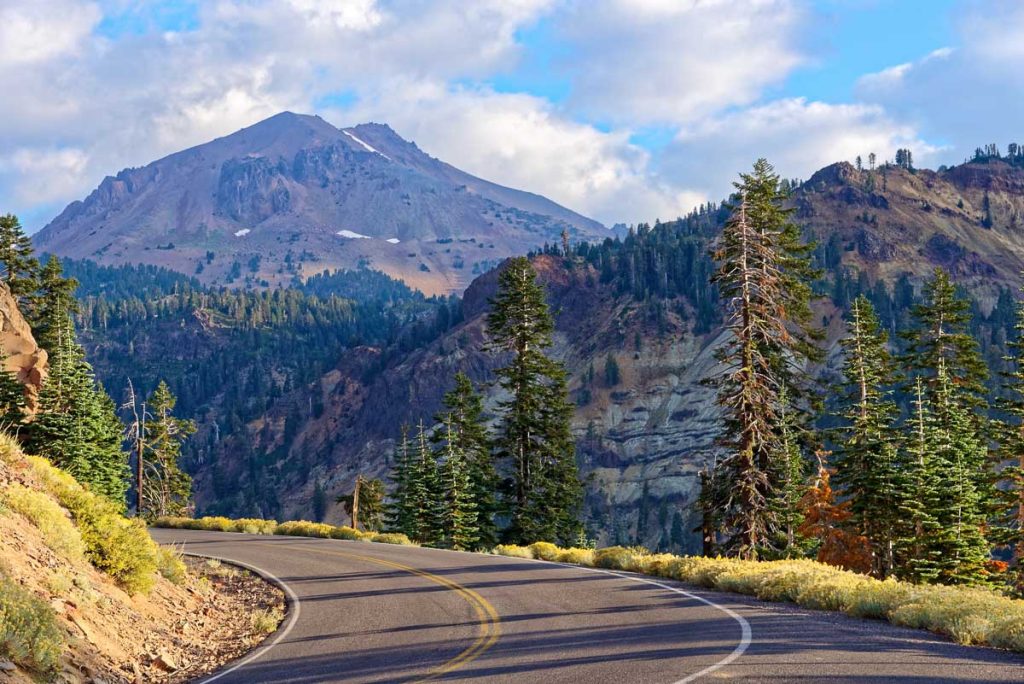
- Why September: One of the final months the roads are fully open.
- Lassen Volcanic Weather: Daytime highs range from 60 to 70°F, with much colder nights at elevation.
Lassen spends so much of the year under snow that September feels almost like a final call. Bumpass Hell normally remains accessible, with boardwalks running past boiling pools and steam vents while the air above stays comfortably cool.
Lassen Peak can also remain clear enough to hike until the first substantial snow. Manzanita Lake is quieter than it was in midsummer, and Chaos Crags reflect across the water on calm mornings.
The park has enough things to see around Lassen to fill a full day without racing around. It also tends to get overshadowed by the other national parks across California, which works nicely in your favor once September crowds drop.
7. Yosemite National Park, California

- Why September: Timed reservation ends after labor day with fewer crowds.
- Yosemite Weather: Daytime temperatures average around 70°F in Yosemite Valley, cooling significantly at night.
September shifts Yosemite away from waterfall season and toward serious hiking. Yosemite Falls usually runs low, but Tioga Road can remain open to Tuolumne Meadows and the higher Sierra before autumn storms begin.
Cathedral Lakes and other high country routes are normally clear of the snow that complicates earlier summer trips. Glacier Point Road also keeps Taft Point and Sentinel Dome within easy reach.
A day in Yosemite becomes easier once Labor Day traffic drops. Visitors coming from the Bay Area can also use Yosemite tours from San Francisco instead of dealing with a long driving day themselves.
8. Acadia National Park, Maine

- Why September: Fall color season typically starts after September 15.
- Acadia Weather: Daytime highs average near 65°F, cooler mornings often sit in the low 50s, and coastal fog appears less often.
Acadia manages to squeeze granite peaks, carriage roads and Atlantic coastline into a relatively small corner of Maine. September takes the edge off summer heat, making the Beehive and Gorham Mountain far more comfortable.
Park Loop Road remains open for Sand Beach, Thunder Hole and Otter Cliff. Bar Harbor stays active too, so you still have restaurants and ferry services without quite the same midsummer pressure.
Later in the month, the first color also starts connecting Acadia with some of the country’s best places for fall foliage.
9. Voyageurs National Park, Minnesota

- Why September: Fall color usually peaks between September 15 and September 30 across the park’s boreal forests.
- Voyageurs Weather: Highs average around 63°F, nights drop into the 40s°F and the lakes remain navigable.
Much of Voyageurs is water, so this is one national park where leaving the car behind is part of the plan. September keeps Rainy Lake, Kabetogama and Namakan open for boats while the forests around them begin turning yellow and orange.
Houseboats can reach campsites and trailheads scattered across the park. Cooler nights also knock back some of the summer humidity and bugs, which feels like a fair trade for packing an extra jacket.
By the second half of the month, Voyageurs starts checking several boxes on a classic fall bucket list. Seasonal boat services begin winding down as October approaches, so September is the safer window.
10. Bryce Canyon National Park, Utah
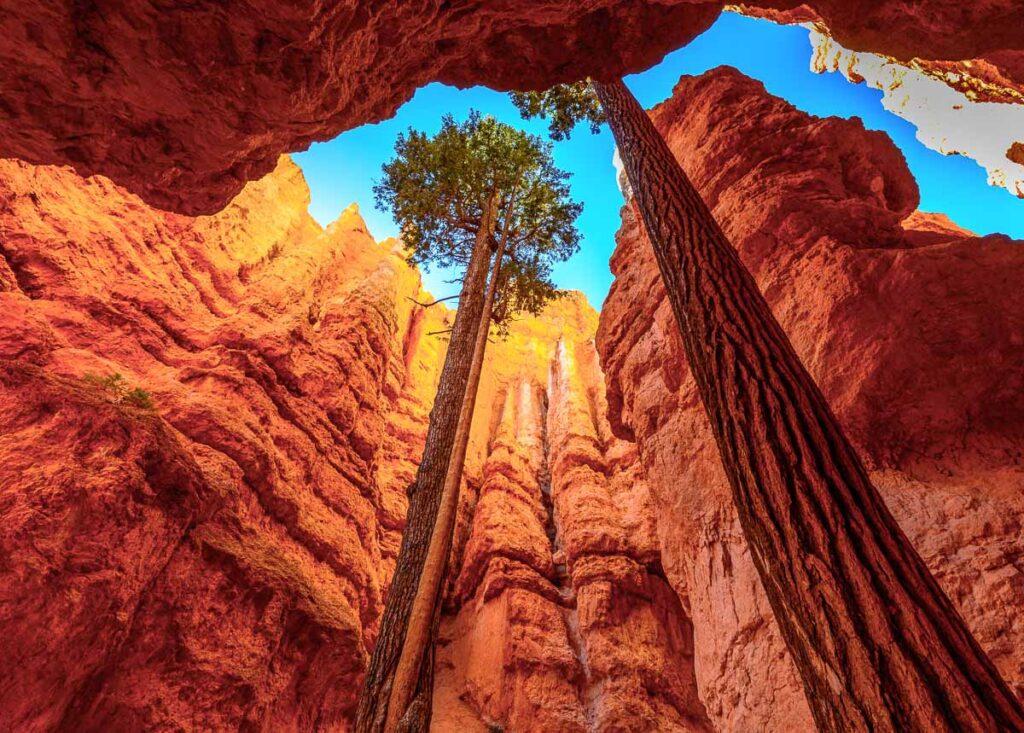
- Why September: Shift away from summer heat across the plateau.
- Bryce Canyon Weather: Daytime temperatures average near 70°F, while nights can drop into the 30s°F.
Bryce Canyon holds the largest concentration of hoodoos on Earth, and September gives you much better temperatures for walking between them. The Navajo Loop and Queen’s Garden combination remains free of the ice that can appear later in fall.
Sunrise Point and Sunset Point stay easy to reach, while colder evenings make a jacket necessary much sooner than most visitors expect from Utah. The elevation sits above 8,000 feet in much of the park.
A day around Bryce gives you enough time to hike below the rim and still stop at several overlooks. Morning is especially good once the summer tour bus rush starts thinning.
11. Canyonlands National Park, Utah
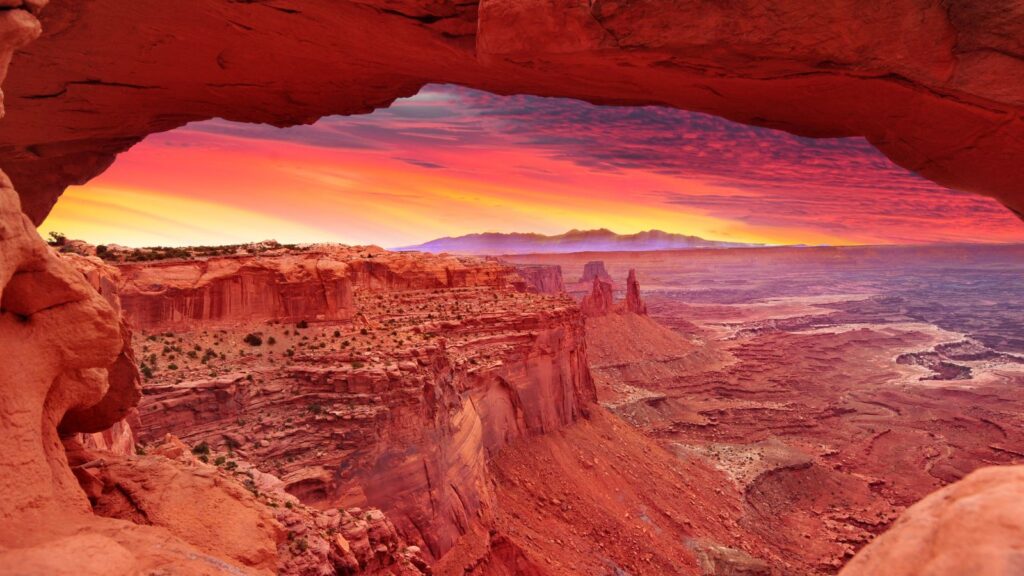
- Why September: River access stabilizes after monsoon season.
- Canyonlands Weather: Highs hover around 85°F at Island in the Sky, with mornings near 60°F.
Canyonlands covers more than 337,000 acres cut apart by the Colorado and Green Rivers, so the different districts are nowhere near as close as the map suggests. September finally makes Island in the Sky and the Needles more reasonable to explore outside the first hours of the day.
White Rim Road becomes a major draw for four wheel drive travel, and Moab Jeep tours handle the rougher roads without requiring you to explain a rental car disaster later. The Colorado River also stays active for rafting trips around Moab.
A day through Canyonlands works best when you commit to one district. Trying to combine Island in the Sky and the Needles usually turns a hiking day into a driving day.
12. Olympic National Park, Washington
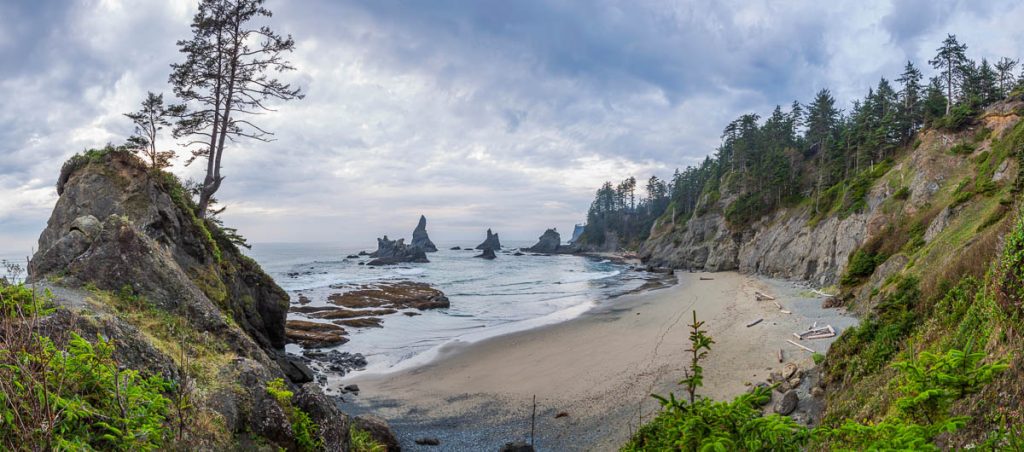
- Why September: Summer fog retreats from higher elevations.
- Olympic Weather: Highs average near 68°F at lower elevations, with cooler temperatures in the mountains.
Olympic packs mountains, temperate rainforest and Pacific coastline inside nearly one million acres. September is one of the easier months to see more than one region without summer traffic or winter rain controlling the schedule.
Hurricane Ridge trails remain accessible while the Hoh Rain Forest is still in one of its drier stretches. Sol Duc Falls keeps moving and the beaches around Rialto and Ruby stay comfortable for longer walks.
There are enough things to do around Olympic that trying to circle the entire peninsula in one day is a bad use of daylight. Pick a region and actually spend time there.
13. Grand Canyon National Park, Arizona

- Why September: Summer monsoon storms taper off, improving visibility into the canyon.
- Grand Canyon Weather: South Rim highs average near 76°F, while the inner canyon stays considerably hotter.
The Grand Canyon drops roughly a mile from rim to river, which means September can give you two completely different temperatures on the same hike. The South Rim may feel comfortable while the Colorado River corridor is still dealing with serious heat.
Bright Angel and South Kaibab become better for partial descents as the month progresses. Visibility can also improve as summer storms become less frequent, and the shuttle keeps the busiest viewpoints connected.
A day at the Grand Canyon is better spent along the rim with a short hike below it than trying to reach the river and back. September is kinder than July, but the canyon still punishes bad timing.
14. Badlands National Park, South Dakota
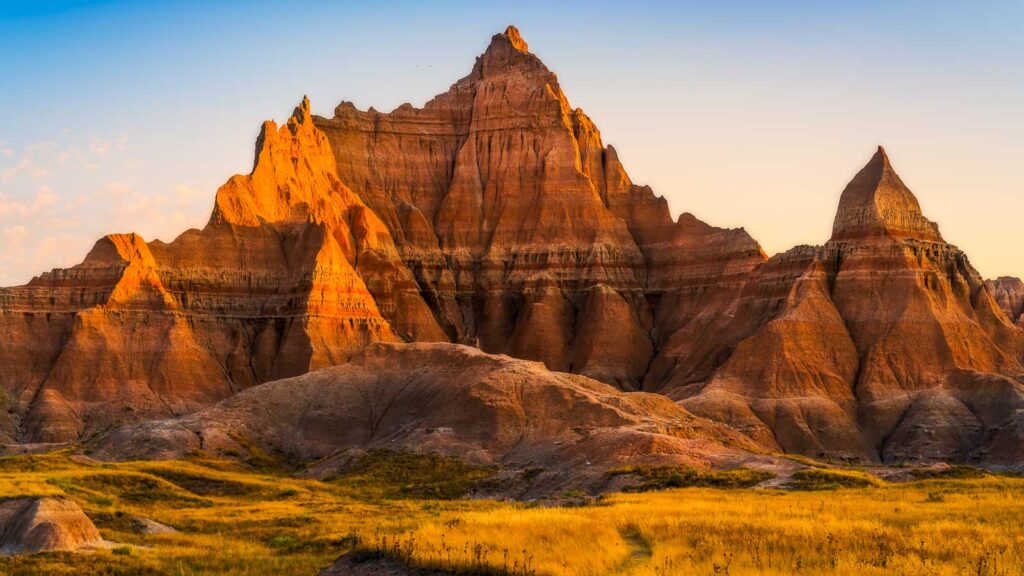
- Why September: Prairie temperatures drop, making exposed terrain easier to navigate.
- Badlands Weather: Highs average near 78°F, with mornings around 50°F.
Badlands has almost no useful shade, which is why September immediately improves the hiking situation. Notch Trail and Castle Trail become far more reasonable once temperatures drop out of the 90s.
Badlands Loop Road remains open for Yellow Mounds, Pinnacles Overlook and the other major roadside stops. Sunrise and sunset arrive earlier than they do in summer, so you do not need an absurdly early alarm to catch softer light. The park also slots naturally into one of the classic road trips across America, especially when paired with the Black Hills.
Catherine, a seasoned travel writer, has lived in 4 different states and explored 36 states and 28 national parks. After spending two years embracing van life, she's now dedicated to sharing her vast knowledge of day trips across America. Catherine's other works has been referenced in major publications like MSN, Self, and TripSavvy.
| MY FAVORITE TRAVEL RESOURCES |
✈️ Find amazing guided tours and experiences with Viator to maximize your time! 🏘️ Plan ahead and secure your accommodation with Booking.com in advance. 🧾 Rent a car with Discovercars in advance and get the best prices for your day trip adventures. |