
What to Bring on a Day Hike With Frequent Weather Changes


You leave the trailhead at 7 a.m. in a T-shirt, under a cloudless sky, with a town forecast of 68°F. By 1 p.m. you are 3,000 feet higher and the air is about 10 degrees cooler, and a light rain has started with a steady wind behind it. None of that is unusual on a summer day in the mountains, and what you packed at 6:30 that morning now determines how the next two hours go.
Preparing for a day hike with frequent weather changes means carrying layers for cold and rain, keeping essential gear dry, and checking conditions at the highest point of the route rather than relying on the forecast at the trailhead. A rain shell, insulated jacket, spare socks, navigation tools, water, food and basic emergency supplies form the core of a practical day-hiking packing list.
Forecasts for the Summit Elevation
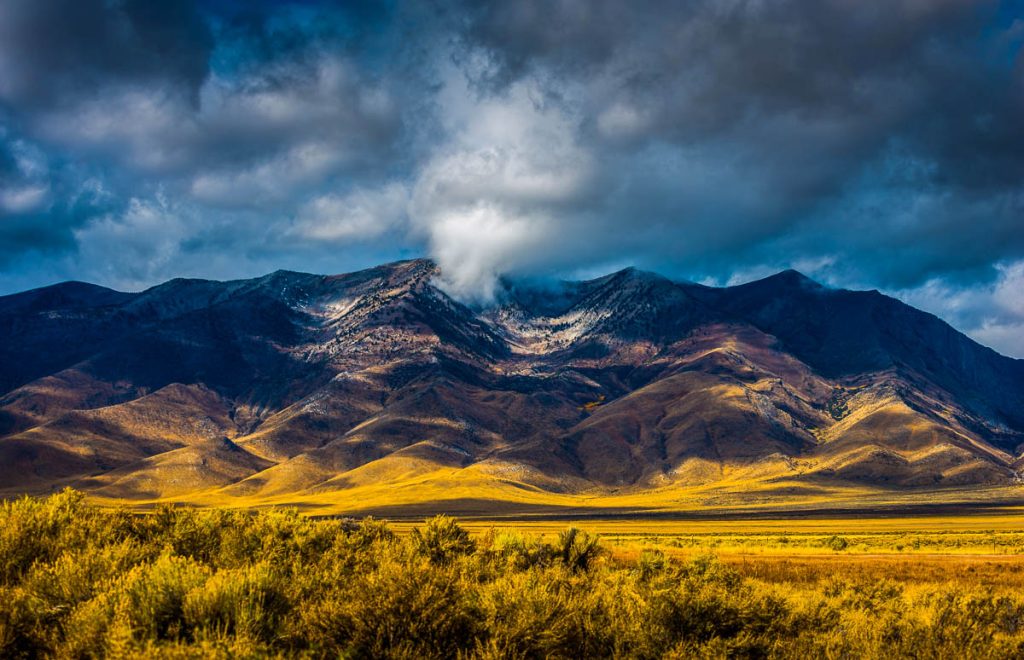
Town forecasts describe the valley. Temperature often falls about 3.5°F for every 1,000 feet of elevation gained, and in dry air the drop can reach approximately 5.5°F. A hike that climbs 4,000 feet can therefore begin at 70°F and reach its high point near 50°F, depending on atmospheric conditions, before any wind is counted.
The National Weather Service publishes point forecasts that let a hiker select a spot on a map and see expected conditions for that location. Checking one for the highest point on the route, along with the hourly chance of thunderstorms, takes a few minutes the night before and changes what goes into the pack. Exposed ridges can see gusts well above the speeds reported for the valley, so the summit wind forecast needs as close a reading as the temperature.
Rain Shell Ratings and Fit
A rain shell is one of the most important items for changeable weather, since it blocks rain and wind with one layer. Waterproof fabrics are rated by hydrostatic head, which is the height in millimeters of a water column the fabric resists before it leaks. A rating around 10,000 mm can be adequate for moderate hiking conditions, while 15,000 to 20,000 mm may offer greater protection during heavy or prolonged rain. Actual performance also depends on seam sealing, fabric construction and exposure.
Field conditions are harsher than the laboratory test. Pack straps press the fabric against the shoulders for hours, and sitting on wet rock adds pressure at the points of contact. Breathability also affects comfort on a climb, because a shell that traps moisture vapor leaves the hiker damp from sweat on the inside.
Insulation for Rest Stops
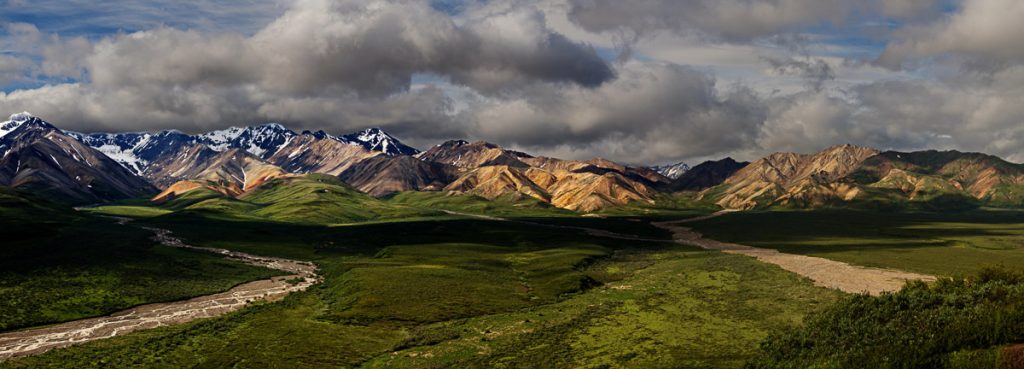
Heat production falls sharply when a hiker stops moving, and much of the chilling on a cool day happens during breaks. A synthetic insulated jacket weighing 10 to 14 ounces can retain some warmth when damp, while untreated down loses much of its insulating ability when soaked and is slow to recover its loft. On a day with rain in the forecast, synthetic fill is often the more forgiving choice.
Put the jacket on at the start of each break, before shivering begins, and take it off before walking again. A jacket worn while climbing can fill with sweat and become less useful at the next stop.
Wet-Weather Repairs and Blade Grip
Rain and mud cause small equipment failures. A shoelace snaps on a slick descent, or a tarp has to be rigged between two trees for a lunch stop in the rain, and cold, wet fingers are poor at tearing cord.
Textured handle scales of G10 or canvas micarta can provide a secure grip when wet, and they are common on custom made EDC knives, whose makers may also select blade steels for corrosion resistance. A compact knife or multitool can help with minor equipment repairs, although it should be carried in a secure sheath or designated compartment to prevent accidental injury.
For a day hike, a small repair kit containing cord, tape and a spare shoelace can handle many common equipment problems without requiring a blade.
Wind and Wet Exposure
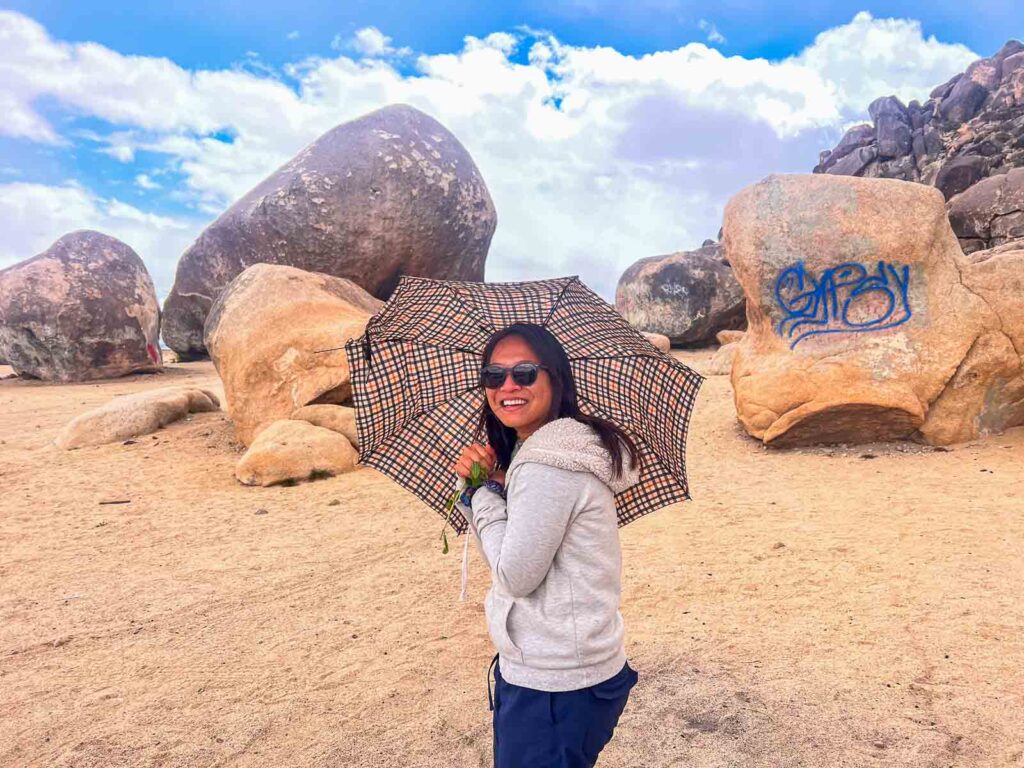
Hypothermia can develop at air temperatures above 40°F when a person is wet and exposed to wind. Wind increases heat loss from exposed skin, while wet clothing reduces insulation and makes it harder to maintain body temperature.
At 40°F, a 20 mph wind produces a wind chill of about 30°F for exposed skin, although the actual air temperature remains 40°F. Early signs of hypothermia can include shivering and clumsy fingers, followed by confusion and slowed thinking.
Clumsy fingers are a practical problem on a trail, since they make zippers and buckles difficult to work at the moment a hiker most needs to add a layer. If signs of hypothermia appear, getting out of the wind, replacing wet clothing and seeking appropriate shelter and assistance become priorities.
Keeping the Pack Contents Dry
Most pack fabrics resist light rain, while seams and zippers can leak in sustained rain. A pack liner, which is a large waterproof bag inside the pack, protects everything at once and adds relatively little weight. A heavy-duty trash compactor bag, at a few dollars, works as a liner too.
Pack covers shed water from the outside but can catch wind and leave the back panel exposed.
Keep the insulated jacket and spare socks inside the liner, with the phone in a small waterproof bag of its own. The shell stays outside the liner, at the top of the pack, where it can be reached in seconds when the first drops fall.
A compact first-aid kit, headlamp, navigation tools and emergency shelter should also have protected places in the pack. These basic day-hiking essentials become particularly important on more demanding hiking routes when changing weather slows the return journey. An offline map and a fully charged phone provide useful backup, although neither replaces the need to understand the route before setting out.

Lightning and Turnaround Times
Mountain thunderstorms often form in the early afternoon, as the ground heats and moist air rises over the ridges. Hikers in thunderstorm country start early for that reason and plan to be off exposed ground before storms are expected to develop.
A turnaround time set at the trailhead removes the temptation to push toward a summit as clouds build. Standard lightning safety guidance treats audible thunder as a sign that the storm is close enough to strike.
The safest response is to seek a substantial enclosed building or a fully enclosed, hard-topped vehicle. If no such shelter is accessible, leaving ridges, summits and isolated tall trees can reduce exposure, but no outdoor location is completely safe during lightning.
After the last thunder, the usual advice is to wait at least 30 minutes before resuming outdoor activity, since strikes can occur beyond the visible edge of a storm.
Food and Water in Cool Weather
Cold, damp air can suppress thirst, and hikers in rain often drink less than they need because the day does not feel hot. A small insulated bottle of hot tea or broth provides warmth and fluid at the same stop, although it adds weight to the pack. Drinking regularly and adjusting intake to exertion, weather and individual needs helps avoid relying entirely on a thirst signal that the cold may have dulled.
Calorie needs can also rise in cold conditions, particularly when the body begins producing additional heat through shivering. Research into how being cold burns calories explains the relationship between cold exposure and energy expenditure, although the effect varies with conditions and activity.
Snacks that can be eaten with gloves on, such as bars cut into pieces at home, keep that fuel coming without long stops in the wind.
Extremities in Cold Rain
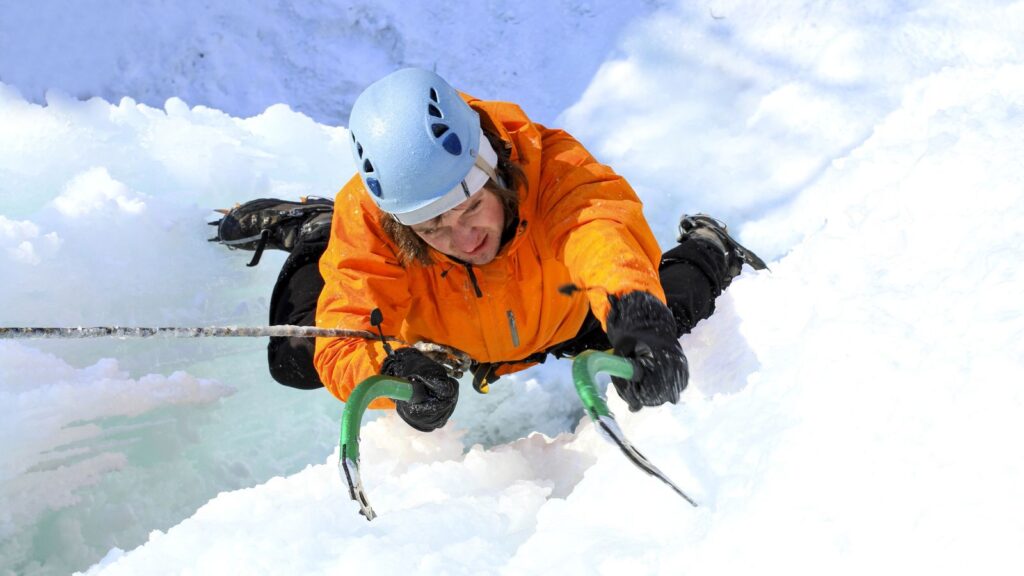
Hands lose dexterity quickly in cold rain. Thin fleece gloves weigh an ounce or two, and waterproof overmitts worn over them help keep both layers dry. Liner gloves also let a hiker work a zipper or handle small equipment without exposing bare skin, although sharp tools should only be used when grip and control are secure.
A knit hat weighs about 2 ounces and makes a noticeable difference at a windy rest stop.
A spare pair of wool socks sealed in the pack liner allows a change after a stream crossing or a long soaking, and dry socks can help reduce friction and the risk of foot blisters on the descent.
The Price of Leaving the Shell Behind
A hiker who leaves the shell and the insulated jacket in the car on a sunny morning might save about 1.5 pounds, depending on the gear, and both items can fit in a 15-liter pack with room left for lunch. If the afternoon turns, that same hiker may descend wet, in wind, at temperatures where hypothermia is possible, with fingers that can no longer work a zipper. The saving is small, and the exposure it risks is the kind that turns a routine walk into a call for help.
Catherine, a seasoned travel writer, has lived in 4 different states and explored 36 states and 28 national parks. After spending two years embracing van life, she's now dedicated to sharing her vast knowledge of day trips across America. Catherine's other works has been referenced in major publications like MSN, Self, and TripSavvy.
| MY FAVORITE TRAVEL RESOURCES |
✈️ Find amazing guided tours and experiences with Viator to maximize your time! 🏘️ Plan ahead and secure your accommodation with Booking.com in advance. 🧾 Rent a car with Discovercars in advance and get the best prices for your day trip adventures. |