
12 Best National Parks to Visit in February Where Romance Meets the Trail


February does not get nearly enough credit for national park trips. Much of the country is still firmly in winter, yet some desert and coastal parks are hitting their best weather of the year. If you’ve ever wanted space on a trail or a peaceful overlook without fighting peak-season traffic, this is your month to get on that road trip.
After visiting 31 national parks across all seasons, February stands out for it’s cooler weather in warmer regions, and fewer visitors mean less pressure to plan around crowds.
Each park was chosen based on weather patterns, crowd levels, trail access, and seasonal logistics, along with personal time spent there. These are the best national parks to visit in February if you want something quieter, more relaxed, and still worth the trip.
Important note: Road conditions in national parks change often and aren’t reflected here. Always check the National Park Service website for the latest closures when planning your trip.
If your trip falls earlier in winter, January still has plenty of cold weather trip ideas. By March, more parks start opening up as temperatures rise, and my guide to the best national parks to visit in March covers what changes next.
1. Everglades, FL

- Why February: Mosquitoes are minimal, water levels are low, and wildlife viewing is top-tier.
- Everglades Weather: Expect sunny skies with highs around 78°F (25°C) and lows in the upper 50s (13–15°C).
February fixes a lot of the complaints people have about visiting the Everglades. Mosquito numbers drop, walking trails are less likely to be soggy and alligators regularly stretch out beside canals to soak up the sun. A day in Everglades National Park can include biking the 15 mile Shark Valley loop or paddling through the mangrove tunnels at Nine Mile Pond without battling summer humidity.
Bird activity is another big reason to come now. Lower water levels concentrate wading birds around ponds and sloughs, making February one of the better months to catch large groups feeding in the same area. Ranger led slough walks may also be running if you are willing to step straight into the swamp.
Sunset is much easier to stick around for when mosquitoes are not running the evening. The wide grasslands and shallow water make the Everglades one of the most striking places in Florida once the late afternoon light starts dropping.
2. Death Valley, CA
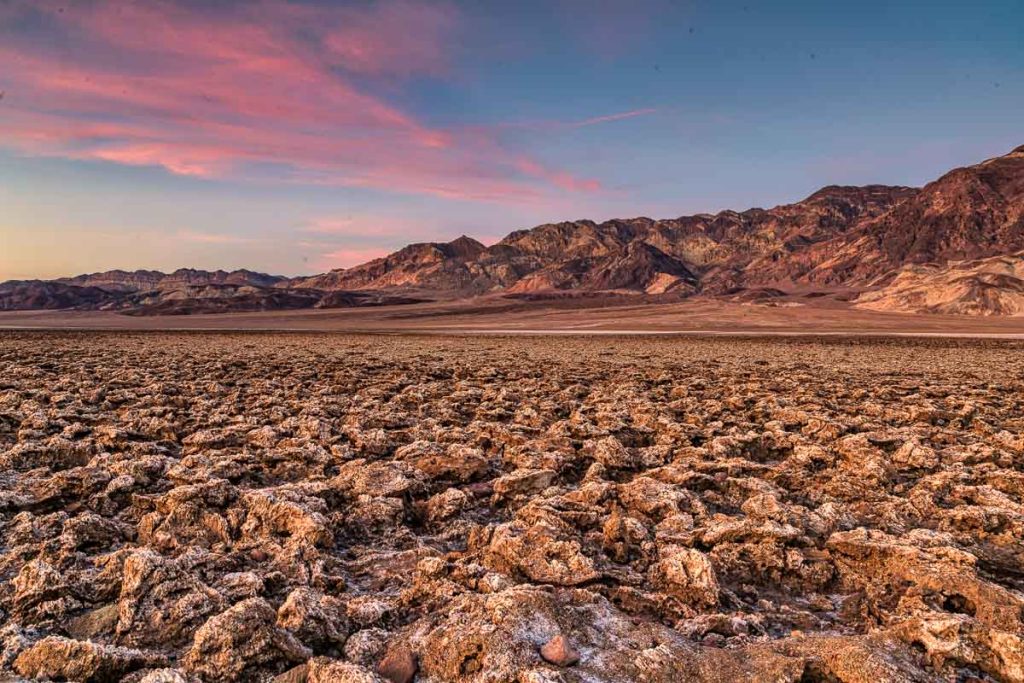
- Why February: Midday temperatures are comfortable enough for hiking and sightseeing.
- Death Valley Weather: Daytime highs are around 72°F (22°C), with nights dropping into the 40s°F (4 to 9°C).
Death Valley in February barely feels related to the place that regularly ranks among the hottest national parks in America. You can walk across Badwater Basin without planning an emergency retreat to the car, and Golden Canyon becomes a realistic daytime hike instead of something that needs to be finished at sunrise.
Zabriskie Point is still worth the early alarm. The ridges catch the first light quickly, and winter mornings tend to be cool enough that hanging around for photos does not feel miserable.
A short Death Valley route can cover Badwater Basin, Artist’s Palette and Zabriskie Point without cramming everything into the coolest part of the day. That makes February especially useful if this is your first visit.
Late February sometimes brings wildflowers to lower elevations when rainfall cooperates. Huge blooms are never guaranteed, but even scattered color looks strange against a landscape that spends most of the year in shades of tan, red and gray.
3. Big Bend, TX
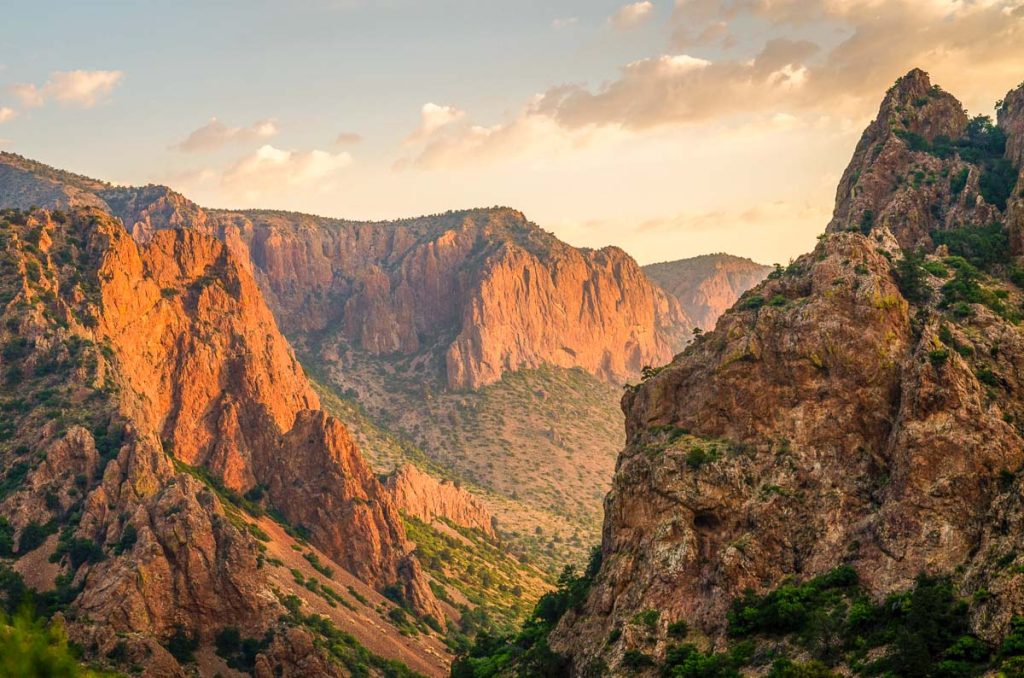
- Why February: Comfortable desert temperatures arrive before spring break crowds.
- Big Bend Weather: Highs reach the upper 60s to low 70s°F (20 to 23°C), with nights in the 40s°F (4 to 8°C).
Big Bend takes real effort to reach, so February weather feels like a reward once you finally get there. The Chisos Mountains stay cool enough for longer hikes, while Santa Elena Canyon is far more manageable before Texas starts heating up.
Conditions can change quickly across the park because the elevation varies so much. A single day through Big Bend can move from desert flats to mountain trails within a few hours.
Desert plants may also start showing early spring color toward the end of the month. Ocotillo is especially easy to spot when its red blooms appear above the branches.
Once the sun disappears, Big Bend changes again. The park has some of the darkest skies in the country and easily earns a spot among the best parks for stargazing. You can also soak in the Hot Springs Historic District beside the Rio Grande.
4. Saguaro, AZ

- Why February: It’s peak cactus appreciation season before things heat up.
- Saguaro Weather: Days sit around 70°F (21°C), while nights hover in the 40s°F (4 to 7°C).
Some saguaros live for well over a century, and February gives you the kind of weather that makes wandering among them for hours possible. The lower winter sun stretches long shadows across the desert and makes the cactus stand out even more near sunrise and sunset.
Saguaro is split into two districts on opposite sides of Tucson. If you are working with limited time, this park route helps narrow down which side deserves more of your day. Signal Hill is one of the quicker stops in the western district.
Hikers can also take advantage of the cooler weather on longer routes that become rough once spring temperatures climb. Some of my favorite Saguaro trails are much more appealing when the thermometer is sitting around 70°F instead of pushing into serious desert heat.
5. Joshua Tree, CA

- Why February: Cooler weather lets you hike all day, and the climbing scene is in full swing.
- Joshua Tree Weather: Highs reach the mid 60s°F (18°C), while nighttime temperatures can fall to around freezing.
Joshua Tree gets strange almost immediately. Giant boulder piles sit between twisted trees and open desert, and February gives you enough comfortable daylight to walk around without the heat deciding when the day ends.
Hidden Valley and Barker Dam are easy to work into a short visit before heading toward Keys View or another sunset spot. The cooler weather also makes rock scrambling a lot less punishing on exposed stone. Climbers show up in force during winter, especially around the more famous formations.
Nighttime temperatures can drop fast, so staying for the stars requires more layers than most people expect from Southern California. Joshua Tree is also one of the more unusual stops among the national parks and monuments across California.
6. Dry Tortugas, FL
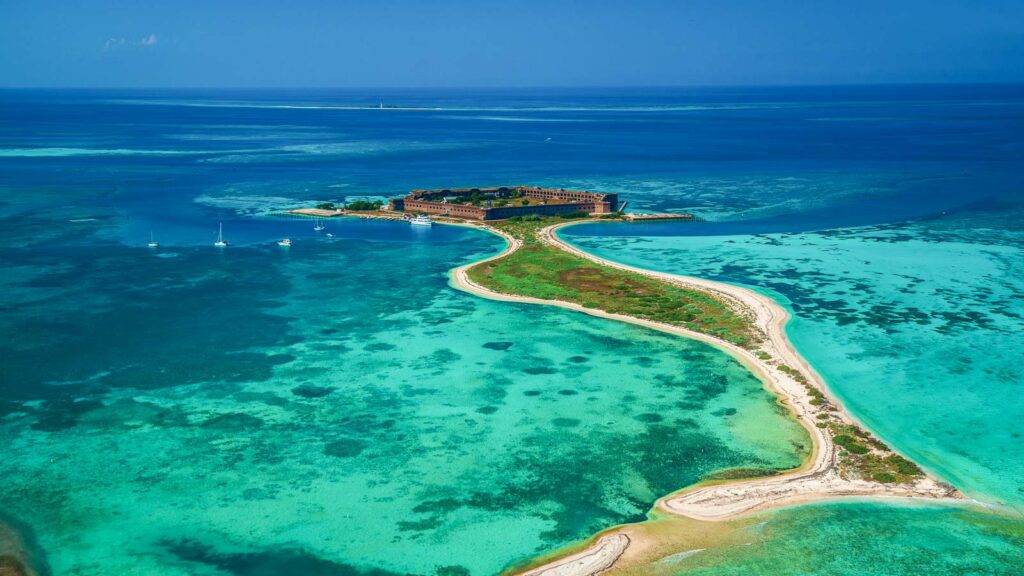
- Why February: Winter is prime time for calm seas and clear skies on this remote island.
- Weather: Daytime temps hover around 75°F (24°C), and nights dip into the 60s (16°C).
Getting to Dry Tortugas means a seaplane or ferry from Key West. The seas are generally calmer, which means smoother rides and better snorkeling conditions around the 19th-century Fort Jefferson. Visibility in the water is fantastic this time of year, so bring a mask to see coral and tropical fish circling historic ruins.
On land, you’ve got the fort almost to yourself if you time your visit midweek. Bring a picnic, watch pelicans swoop by, and soak in the wild stillness of this Gulf outpost. If you’re into camping, the winter breeze makes for perfect sleeping weather.
7. Biscayne, FL
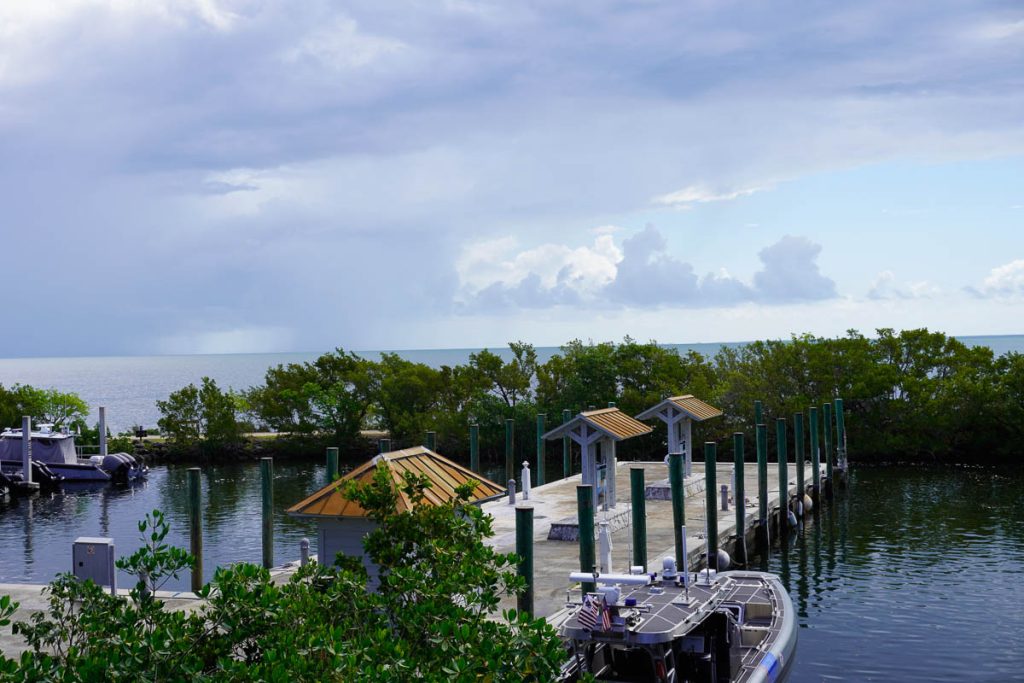
- Why February: It’s the sweet spot for boat trips and underwater exploring without sweltering heat.
- Biscayne Weather: Average highs around 77°F (25°C), lows hover in the mid 60s (18°C).
February is when Biscayne shines. This water-based park is mostly accessible by boat and one of the least visited parks in the national park system. Conditions are ideal for glass-bottom boat tours, snorkeling at the Maritime Heritage Trail, or kayaking through mangroves.
Dolphins and manatees are often active near the shores this time of year. You can spend hours on Boca Chita Key climbing the lighthouse and watching the tide roll in. The breeze is perfect, bugs are minimal, and crowds are practically nonexistent midweek.
8. White Sands, NM

- Why February: The dunes are quiet, the light is surreal, and the heat hasn’t kicked in yet.
- White Sands Weather: Highs reach about 63°F (17°C), with nighttime temperatures around 28°F (minus 2°C).
White Sands can be surprisingly cold in February, which is exactly why hiking here becomes so much easier. The gypsum stays cool underfoot and exposed trails are far less draining than they become during warmer months.
The Alkali Flat Trail gives you the deepest walk into the dunes, although you do not need to finish the entire route to get far from the road. A day inside the park still leaves enough time for sledding, which is taken surprisingly seriously here.
Late afternoon changes the dunes quickly. Shadows deepen across the ridges and the sand starts picking up soft pink and purple tones as the sun gets lower.
Temperatures drop quickly once sunset hits, so layers matter. White Sands also sits among some of the strangest landscapes in New Mexico, where volcanic fields, desert basins and mountains can all turn up on the same trip.
9. Petrified Forest, AZ

- Why February: Cool weather means you can take your time with ancient wood and desert views.
- Petrified Forest Weather: Expect highs around 55°F (13°C), with lows dipping into the mid 20s°F (minus 4°C).
Some of the petrified wood here is more than 200 million years old, which immediately makes whatever schedule you arrived with feel slightly less important. February temperatures let you walk around Blue Mesa and Crystal Forest without spending the whole time searching for shade.
The park road stretches between the Painted Desert in the north and major petrified wood areas farther south. Following the full route makes more sense than hopping between random stops.
Petrified Forest also holds a piece of Route 66 history. An old Studebaker marks where the famous highway once crossed the park, adding another strange chapter to a place already filled with Triassic fossils.
Snow occasionally reaches the Painted Desert during winter. When it does, those red badlands look completely different from their usual dry desert appearance and make this one of the more unusual landscapes around Arizona.
10. Guadalupe Mountains, TX
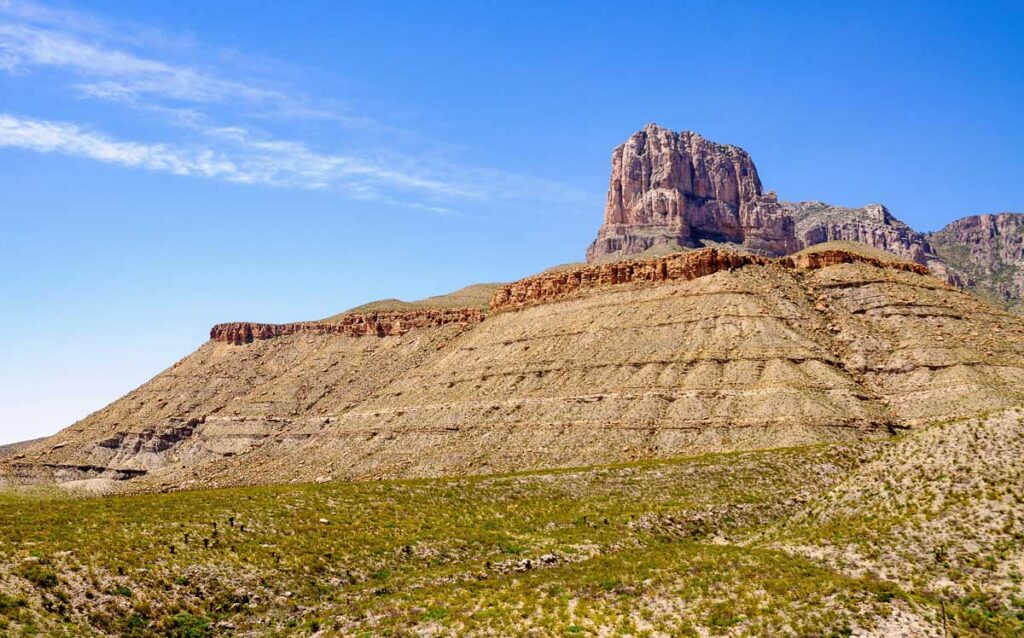
- Why February: Crisp air and excellent hiking conditions in one of Texas’ most rugged parks
- Weather: Highs in the 50s°F (10–15°C), chilly mornings, with snow possible at higher elevations
February in the Guadalupe Mountains is a gift for hikers who don’t love sweating through desert heat. Guadalupe Peak is not a casual stroll and earns its place among some of the harder national park hikes. Starting early still makes sense even in February, especially if the forecast calls for afternoon wind.
McKittrick Canyon is quieter than during fall foliage season, yet still full of desert charm and wildlife activity. Cold mornings make early starts easy to handle, and you’ll often have whole stretches of trail to yourself.
11. Hawaii Volcanoes, HI
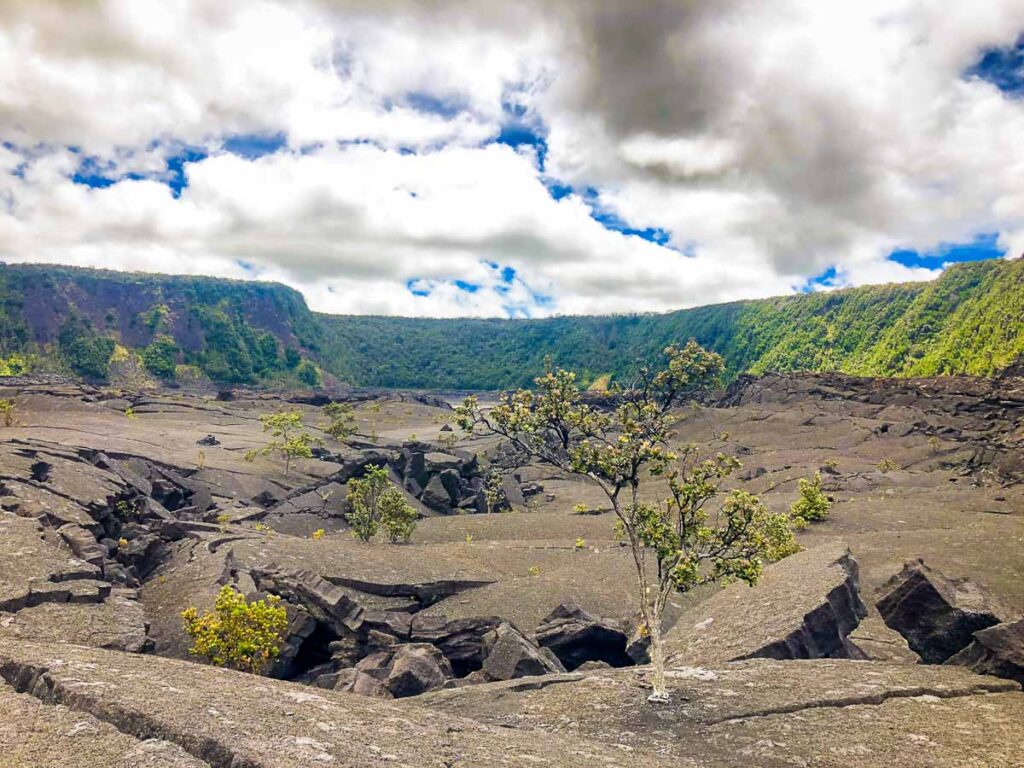
- Why February: Whale season, warm days, and a shot at lava glow without summer crowds.
- Hawaii Volcanoes Weather: Highs are around 70°F (21°C) at elevation, while nights can fall into the 50s°F (10 to 14°C).
Kīlauea Iki lets you walk across the floor of a crater that held a lava lake during the 1959 eruption. The scale only becomes obvious once you start descending from the rim.
February’s cooler temperatures make the crater floor much easier to cross. If you are short on time, this park route also works in Devastation Trail and Chain of Craters Road.
Volcanic activity changes constantly, so lava should never be treated as guaranteed. When an eruption is happening in an accessible area, nighttime viewing can completely change the order of your day.
Rain is always possible around Kīlauea, and conditions can shift quickly across the park. That changing weather is part of what makes this one of the most unusual places in Hawaii, especially once you move from rainforest into old lava fields.
12. Virgin Islands, USVI

- Why February: Warm water, cool breezes, and no need for a passport.
- Virgin Islands Weather: Highs in the low 80s°F (27°C), nights in the low 70s°F (21°C).
Virgin Islands National Park in February feels like it was designed for couples trying to escape the mainland chill. The beaches are quiet in the mornings, the water is warm all day, and the snorkeling is out of this world. Trunk Bay’s underwater trail is crystal clear this time of year, with coral and colorful fish in every direction.
You can hike the Reef Bay Trail in the cooler morning hours and finish with a dip in the sea. Early mornings are still quieter, and St. John easily earns a place among the best island escapes in the United States.
Catherine, a seasoned travel writer, has lived in 4 different states and explored 36 states and 28 national parks. After spending two years embracing van life, she's now dedicated to sharing her vast knowledge of day trips across America. Catherine's other works has been referenced in major publications like MSN, Self, and TripSavvy.
| MY FAVORITE TRAVEL RESOURCES |
✈️ Find amazing guided tours and experiences with Viator to maximize your time! 🏘️ Plan ahead and secure your accommodation with Booking.com in advance. 🧾 Rent a car with Discovercars in advance and get the best prices for your day trip adventures. |